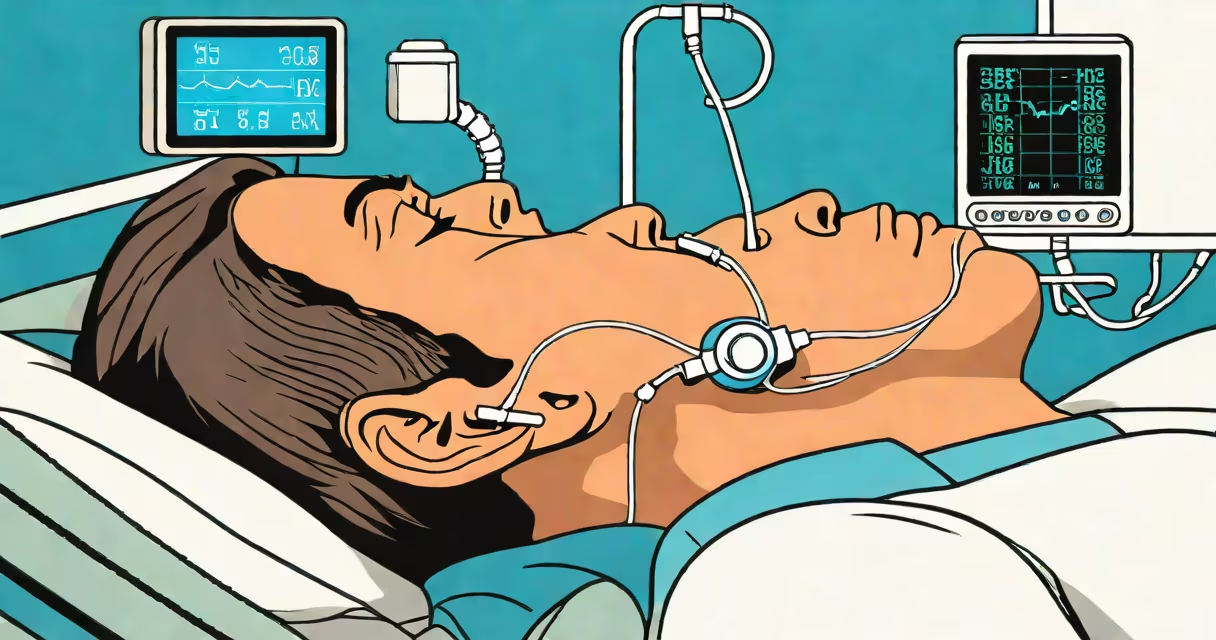
Sleep apnea symptoms are physical and behavioral signs that breathing repeatedly stops and starts during sleep, disrupting rest and reducing oxygen levels. These include loud snoring, gasping for air during sleep, excessive daytime drowsiness, morning headaches, and difficulty concentrating. The most common form, obstructive sleep apnea, occurs when throat muscles relax and block airflow.
Obstructive sleep apnea (OSA) accounts for 80-90% of cases, according to the American Academy of Sleep Medicine. Central sleep apnea (CSA), less common, happens when the brain fails to send proper signals to breathe. Both types lead to fragmented sleep and reduced blood oxygen saturation, increasing long-term health risks.
Apnea episodes last 10 seconds or longer and can occur 5 to 30 times per hour. During each event, the body responds with micro-awakenings too brief to remember, which prevent deep, restorative sleep. This leads to chronic fatigue even after eight hours in bed.
One patient reported waking up 30 times per night without awareness. His wife noticed he stopped breathing for 15 seconds at a time. After a sleep study, he was diagnosed with moderate OSA. His blood pressure dropped after using a CPAP machine, and his energy levels returned within four weeks.
Daytime symptoms often mimic depression or ADHD. Patients may feel irritable, forgetful, or unable to focus. A 2021 study in *Sleep* journal found that untreated OSA patients scored 15% lower on cognitive tests than matched controls.
There are three primary types of sleep apnea, each with distinct causes and symptom profiles:
| Type | Definition | Primary Symptoms | Prevalence |
|---|---|---|---|
| Obstructive Sleep Apnea (OSA) | Blockage of the airway due to relaxed throat muscles | Loud snoring, gasping, daytime fatigue, morning headaches | ~90% of cases |
| Central Sleep Apnea (CSA) | Brain fails to signal breathing muscles | Irregular breathing, shallow breaths, frequent awakenings | ~10% of cases |
| Complex Sleep Apnea | Combination of OSA and CSA; sometimes worsens with CPAP therapy | Both snoring and absent breathing patterns | Rare, but underdiagnosed |
Many people mistake OSA's loud snoring for harmless noise. But snoring paired with choking sounds or pauses in breathing is a red flag. CSA, in contrast, often presents without snoring-just irregular breathing patterns and unrefreshing sleep.
A key distinction: OSA patients typically have excess neck fat or enlarged tonsils. CSA is more common in people with heart failure or stroke history. The presence of both conditions together-complex apnea-is often missed because standard screening tools don't detect it.
Not everyone with sleep apnea snores. Up to 30% of OSA patients report no snoring, especially those with high nasal resistance or mouth breathing. Conversely, not all snorers have apnea-up to 40% of habitual snorers show no apnea events in polysomnography.
Another overlooked sign is nocturnal sweating. A 2020 study in *Journal of Clinical Sleep Medicine* found that 22% of OSA patients experienced night sweats, likely due to autonomic nervous system activation during apneic events.
Men are twice as likely as women to be diagnosed with OSA, but women are more likely to report fatigue, mood changes, and insomnia-like symptoms. This gender gap contributes to underdiagnosis in women-especially during perimenopause, when hormonal shifts affect upper airway tone.
I once monitored a 45-year-old woman who complained of constant tiredness and poor memory. She had no snoring. Her partner said she "just looked asleep" during the night. A home sleep test revealed 16 apneas per hour. She was prescribed a mandibular advancement device, which improved her symptoms within six weeks.
If you or a partner notice loud snoring, gasping, or pauses in breathing during sleep, consult a sleep specialist. The Epworth Sleepiness Scale-a self-assessment tool-can identify high-risk individuals. Scoring above 10 indicates significant daytime sleepiness and warrants testing.
Untreated sleep apnea increases risk for hypertension, stroke, and type 2 diabetes. The CDC reports that people with severe OSA have a 30% higher risk of cardiovascular death over ten years compared to those without.
Early diagnosis improves outcomes. A single overnight sleep study-either in-lab or at-home-can confirm apnea and determine severity. Treatment options include CPAP, oral appliances, positional therapy, or surgery, depending on cause and anatomy.