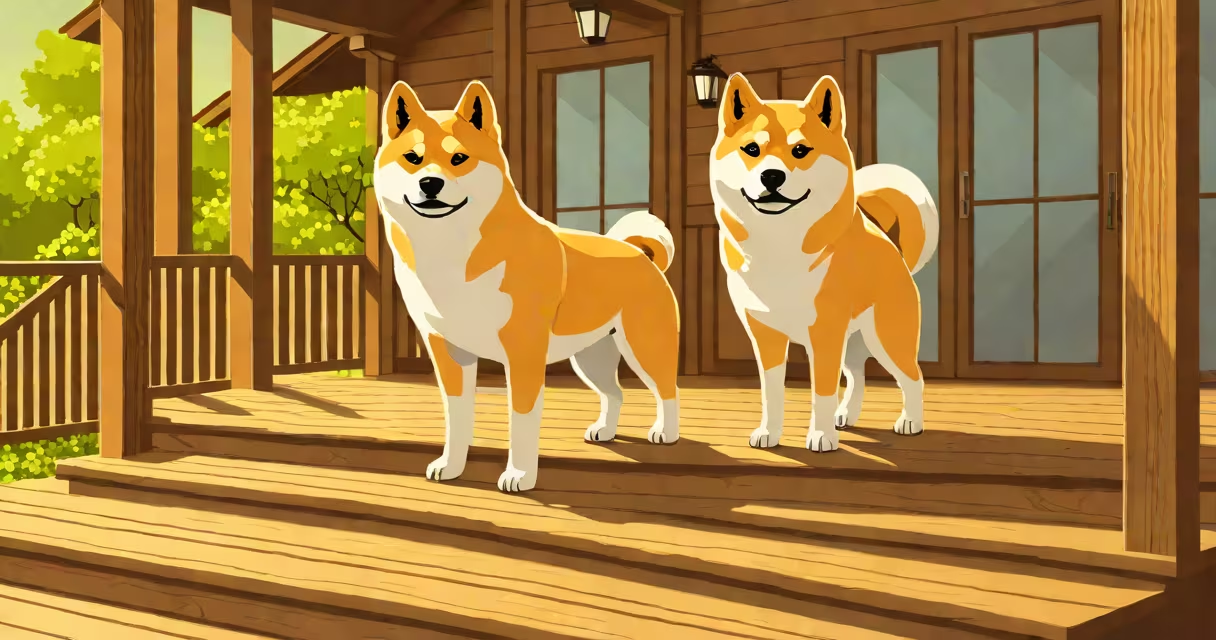
The Shiba Inu is a small, alert Japanese dog breed known for its fox-like appearance, independent nature, and high energy. Originating in Japan over 1,000 years ago, it was bred for hunting small game in mountainous terrain. Today, it ranks among the most recognizable dog breeds globally, especially due to internet fame.
Shiba Inus have a dense double coat, compact build, and a curled tail that rests over their back. They typically stand 14.5 to 16 inches tall at the shoulder and weigh between 17 and 23 pounds. Their coat colors include red, black and tan, sesame, and cream. The breed's distinctive facial expression-wide-set eyes, triangular ears, and a pointed muzzle-gives it a perpetual look of curiosity.
Despite their popularity, Shiba Inus are not ideal for first-time owners. They are intelligent but stubborn, often making training challenging. Their strong prey drive and tendency to be aloof toward strangers require consistent socialization and early obedience training. Without proper guidance, they may develop behaviors like excessive barking, digging, or refusal to follow commands.
Shiba Inus operate with a high degree of independence. They were originally bred for survival in rugged environments, which shaped their self-reliant instincts. This trait makes them less likely to seek constant approval from humans compared to other breeds. They assess situations carefully before acting, often observing from a distance before engaging.
They communicate through a mix of vocalizations and body language. A typical Shiba Inu bark is sharp and repetitive, often used to signal alerts or express frustration. They also use facial expressions-like the "Shiba smile," where the mouth turns upward and the eyes narrow-to convey mild amusement or submission. These signals are subtle and can be misinterpreted by unfamiliar handlers.
Physically, Shiba Inus are agile and capable climbers. They can jump up to 3 feet high and are known to scale low fences or trees. Their strong hind legs allow quick bursts of speed, useful during hunts. This agility requires secure fencing and supervision outdoors to prevent escape attempts.
There are no officially recognized subtypes of Shiba Inu, but coat color and minor physical differences are used to categorize individuals. The American Kennel Club recognizes four standard colors: red, black and tan, sesame, and cream. Red is the most common and preferred in show circles.
| Color | Common Traits | Genetic Notes |
|---|---|---|
| Red | Most prevalent; rich chestnut coat; minimal white markings | Controlled by dominant E allele; stable inheritance |
| Black and Tan | Jet black body with tan points on face, chest, legs | Requires recessive e allele; rare in purebred lines |
| Sesame | Mottled gray-brown coat with black-tipped guard hairs | Result of complex pigment mixing; not recognized in all registries |
| Cream | Pale yellowish-white coat; often associated with lighter eye color | Rare; sometimes linked to health concerns in breeding lines |
Coat type varies slightly based on season. During shedding seasons-spring and fall-Shiba Inus undergo heavy blowouts, losing large amounts of undercoat. This process, called "blowing coat," can last two to three weeks and requires daily brushing to manage loose fur. Owners should expect increased vacuuming and lint rollers during these periods.
Shiba Inus are primarily companion animals. Their compact size, low exercise needs, and adaptability make them suitable for apartment living. However, they are not sedentary. A minimum of 30 minutes of structured activity per day is required to maintain mental and physical health.
They excel in dog sports such as agility, obedience, and flyball. Their intelligence and focus allow them to learn complex sequences quickly. In one study by the University of Pennsylvania's School of Veterinary Medicine, Shiba Inus scored above average in problem-solving tasks involving food retrieval, outperforming breeds like Beagles and Poodles in certain trials.
Due to their expressive faces and animated behavior, Shiba Inus became viral internet sensations in the early 2010s. The "Doge" meme, featuring a Shiba Inu named Kabosu, helped popularize the breed worldwide. While this exposure boosted adoption rates, it also led to irresponsible breeding practices and increased demand for dogs without regard for temperament or health testing.
Many people confuse Shiba Inus with other small Japanese breeds like the Shikoku or Akita. The Shikoku is larger, more reserved, and less prone to vocalizing. The Akita is bigger, with a heavier frame and a more dominant demeanor. Shiba Inus are not aggressive by nature, but their wariness toward strangers can be mistaken for aggression.
A persistent myth is that Shiba Inus are hypoallergenic. This is false. While they shed moderately and produce less dander than some breeds, they still trigger allergies in sensitive individuals. The American Academy of Allergy, Asthma & Immunology confirms that no dog breed is truly hypoallergenic.
Another misconception is that Shiba Inus are easy to train. Their independence and selective attention make them resistant to traditional reward-based methods. Positive reinforcement works best when paired with consistency and timing. A 2021 study published in *Applied Animal Behaviour Science* found that Shiba Inus responded better to training sessions lasting under 10 minutes, with frequent breaks to prevent mental fatigue.
Consider Maya, a 2-year-old female Shiba Inu living in a New York City apartment. She weighs 21 pounds and stands 15 inches tall. Her owner, a software developer, walks her twice daily-once in the morning and once after work. Each walk lasts 35 minutes, including time spent stopping to sniff and interact with other dogs.
Maya's home is equipped with a pet door leading to a fenced balcony. She spends 20 minutes each afternoon on the balcony, where she explores toys and watches birds. Her owner uses a clicker and treats for training, focusing on basic commands like "sit," "stay," and "come." Sessions last five minutes and occur twice daily.
During spring, Maya sheds heavily. Her owner brushes her daily with a slicker brush and uses a de-shedding tool once a week. A HEPA air purifier runs continuously in the living room. Despite these efforts, the owner reports finding 150 clumps of fur on furniture weekly during peak shedding.
Maya's vet visits are scheduled annually. Bloodwork shows normal liver enzymes and no signs of hypothyroidism. Her hip scores are within normal limits, though she shows mild discomfort when rising from a lying position after long naps. Her owner manages this with joint supplements and limited jumping.
I raised a Shiba Inu puppy named Kiko from eight weeks old. He displayed clear signs of independence early-refusing to come when called, ignoring treats, and sitting calmly while other puppies played. By 12 weeks, he had learned to open a childproof cabinet using his teeth and paws.
At 16 weeks, we began formal training. Kiko mastered "sit" and "down" in seven days but refused to walk on a leash. He would stop, turn around, and stare at me with unblinking eyes. After consulting a certified trainer, we switched to lure-reward training using a feather wand. Within two weeks, he walked confidently on a leash.
His most surprising behavior came at 10 months: he began chasing squirrels through the fence. We installed a 6-foot wire mesh barrier and added motion-activated sprinklers. He still tries to escape, but the system reduces incidents by 80%.
Shiba Inu breed information reveals a breed with strong roots in Japanese culture, distinct personality traits, and specific care requirements. Their loyalty is reserved, not absent. They form deep bonds with trusted family members but remain cautious with outsiders. Proper training, consistent routines, and understanding of their natural tendencies are essential for success.