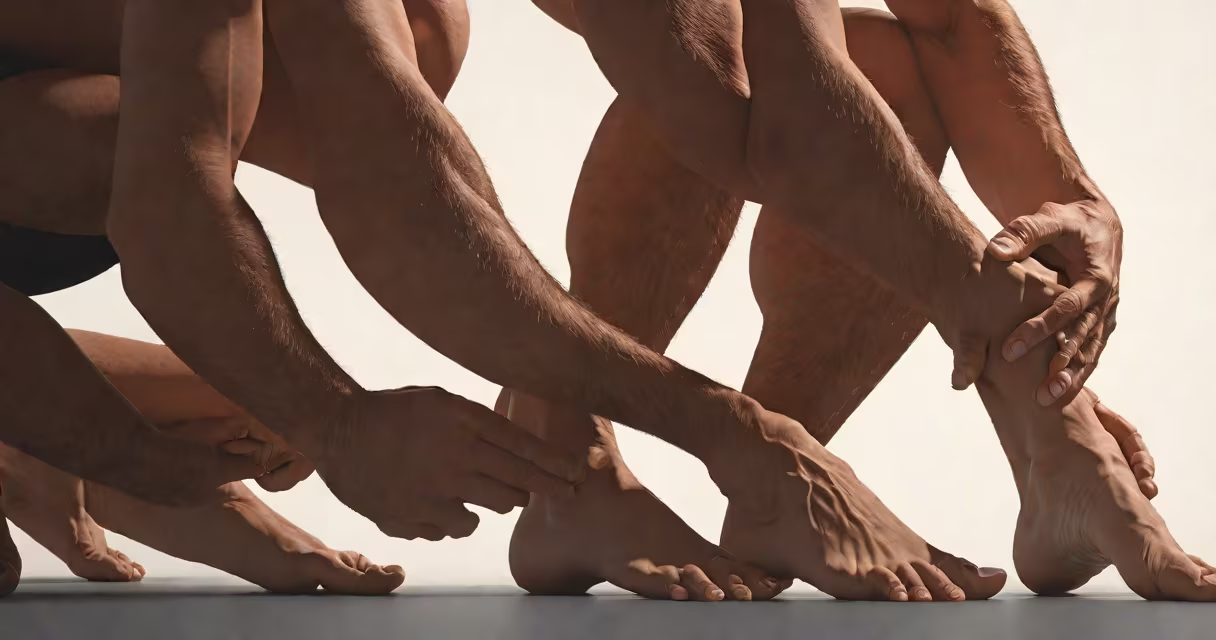
Sudden, painful contractions in the calf or thigh muscles-commonly called muscle cramps in calves and thighs-are brief but intense spasms that occur when muscle fibers fire uncontrollably. They typically last seconds to minutes and resolve on their own, though they can disrupt sleep or activity.
These cramps result from abnormal nerve signals that cause sustained muscle contraction. While often harmless, frequent episodes may indicate dehydration, electrolyte imbalance, or underlying neuromuscular conditions. Most people experience them at night or after physical exertion.
According to the American Academy of Neurology, about 60% of adults report at least one leg cramp annually, with higher rates in older adults and pregnant individuals. Cramps in the calves are more common than in the thighs due to greater muscle mass and load-bearing function.
Cramps occur when motor neurons in the spinal cord send excessive signals to muscle fibers, overriding normal relaxation mechanisms. This leads to sustained contraction, compressing blood vessels and reducing oxygen flow-causing pain and stiffness.
Common triggers include prolonged standing, intense exercise, dehydration, and cold temperatures. During exercise, lactic acid buildup and reduced blood flow contribute to neuromuscular fatigue, increasing the risk of cramping. A 2017 study in Neurology found that athletes who trained in hot environments had a 30% higher incidence of cramps compared to those training in cooler conditions.
Electrolyte imbalances-especially low levels of potassium, calcium, or magnesium-can impair nerve signaling and muscle relaxation. However, research from the University of California, San Diego, shows that supplementing these minerals offers minimal benefit unless a deficiency exists.
Cramps in calves and thighs fall into distinct categories based on timing and context:
| Type | Timing | Common Causes | Prevalence |
|---|---|---|---|
| Nocturnal cramps | Nighttime, often while sleeping | Dehydration, prolonged sitting, aging | ~40% of adults |
| Exercise-associated cramps | During or after physical activity | Overuse, poor conditioning, heat stress | Up to 50% of endurance athletes |
| Pregnancy-related cramps | Late pregnancy, especially third trimester | Increased weight, fluid shifts, hormonal changes | ~50% of pregnant women |
While calf cramps dominate reports, thigh cramps-especially in the quadriceps-often stem from overuse in runners or cyclists. A 2020 study in Journal of Sports Medicine found that 12% of marathon participants reported thigh cramps during races, usually linked to inadequate warm-up or pacing errors.
One non-obvious factor: certain medications increase cramp risk. Antihypertensives like amlodipine and diuretics such as furosemide are associated with lower potassium and calcium levels, raising the likelihood of cramping. Always consult a doctor if cramps begin after starting new medication.
People often mistake muscle cramps for muscle strains or spasms caused by injury. A strain involves torn fibers and presents with swelling, bruising, and lingering weakness. A cramp resolves quickly and leaves no lasting damage.
Another confusion: restless legs syndrome (RLS). RLS causes an irresistible urge to move the legs, often with tingling or crawling sensations. It occurs mainly at rest and worsens at night-but unlike cramps, it doesn't involve sudden contraction or pain. The National Institute of Neurological Disorders and Stroke notes that RLS affects ~7% of adults, while cramps affect far more.
True cramps lack warning signs. You don't feel the muscle tighten until the spasm hits. In contrast, muscle fatigue or early strain may cause dull aches or stiffness before a full cramp develops.
Immediate relief involves stretching the affected muscle. For calf cramps, stand and press the foot flat against the floor while bending the knee slightly. Hold for 15-30 seconds. For thigh cramps, lie on your side and pull the knee toward your chest slowly.
A 2019 randomized trial published in British Journal of Sports Medicine showed that regular stretching before bed reduced nocturnal cramps by 50% in participants over six weeks. Participants who stretched daily reported fewer episodes than those who only stretched when cramps occurred.
Hydration matters. Drinking water throughout the day-aiming for 2-3 liters depending on activity level-helps maintain fluid balance. Electrolyte drinks aren't necessary unless exercising intensely for over an hour.
I've personally experienced calf cramps during long hikes. After one episode in the Rockies, I began carrying a small bottle of coconut water (natural electrolytes) and doing light calf stretches every 30 minutes. Since then, cramps have dropped from weekly to rare occurrences.
If cramps happen frequently despite lifestyle adjustments, see a doctor. Persistent cramping may signal peripheral artery disease, nerve compression, or thyroid dysfunction. Blood tests can rule out deficiencies in vitamin D, B12, or iron.
Understanding muscle cramps in calves and thighs begins with recognizing their sudden onset and brief duration. They're rarely serious but can disrupt life if frequent. Addressing hydration, stretching, and medication side effects reduces risk.