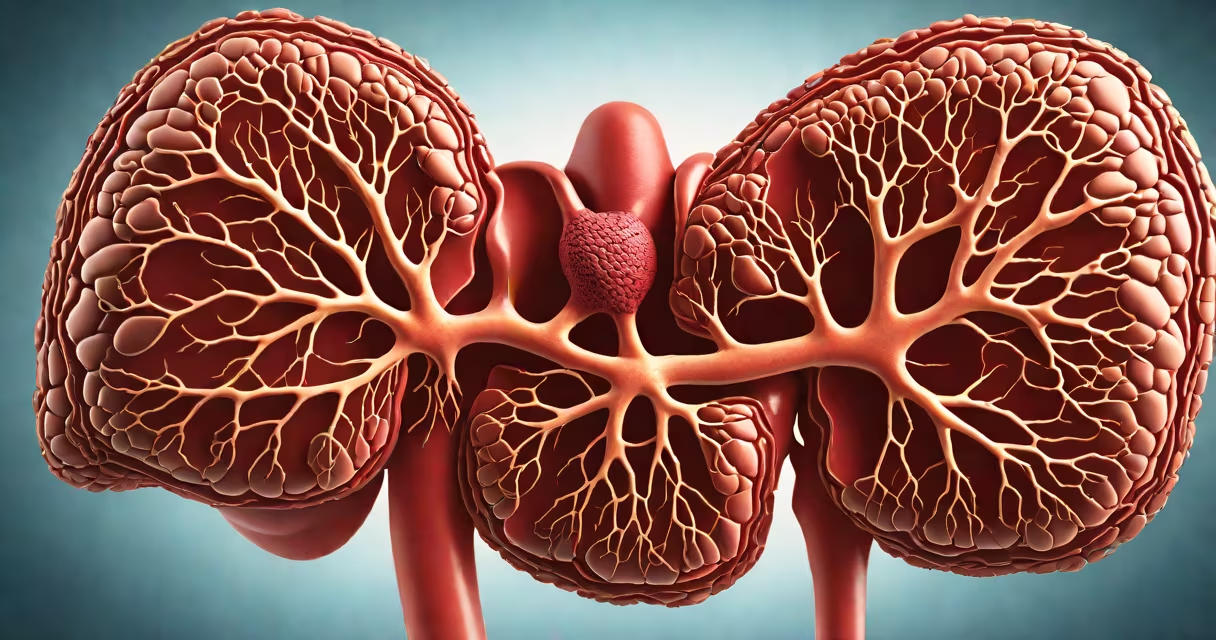
Your liver is a multifunctional organ that processes toxins, regulates metabolism, produces essential proteins, and manages nutrient storage. It performs over 500 distinct biochemical roles critical to sustaining life.
Located under the diaphragm on the right side of the abdomen, the liver weighs about 3 pounds in adults and receives blood from both the hepatic artery and portal vein. This dual blood supply allows it to filter toxins absorbed through the digestive tract while maintaining energy balance.
Every minute, your liver processes approximately 1.5 liters of blood. It removes harmful substances like alcohol, drugs, and metabolic waste products such as ammonia, converting them into less toxic forms for excretion via urine or bile.
The liver's primary duties fall into four categories: detoxification, metabolism, protein synthesis, and bile production. Each operates continuously and interdependently.
Digestive support: The liver manufactures bile, a greenish fluid stored in the gallbladder and released into the small intestine during meals. Bile emulsifies fats, breaking them into smaller droplets so enzymes can digest them efficiently. Without bile, fat-soluble vitamins (A, D, E, K) cannot be absorbed.
Detoxification: The liver uses cytochrome P450 enzymes to neutralize poisons. For example, it converts alcohol into acetaldehyde, then further breaks it down into acetate. Chronic alcohol consumption overwhelms this system, leading to fatty liver disease-a condition affecting 25% of U.S. adults according to the American Liver Foundation.
Nutrient management: After eating, the liver stores glucose as glycogen. When blood sugar drops, it breaks down glycogen into glucose and releases it into circulation. It also processes amino acids from protein-rich foods, removing nitrogen waste and converting it into urea for kidney excretion.
Consider a meal of grilled salmon, sweet potatoes, and broccoli. As digestion progresses, the liver handles:
This integration happens smoothly. A single 30-minute meal triggers over 200 enzymatic reactions within the liver.
One lesser-known fact: the liver regenerates itself. After partial surgical removal or injury, healthy hepatocytes (liver cells) divide rapidly. Within weeks, a damaged liver can restore up to 70% of its original mass. This resilience explains why early-stage liver disease often shows no symptoms.
Many people believe the liver "cleans" the blood in a single pass. That's incorrect. The liver doesn't remove toxins entirely-it transforms them into water-soluble compounds that kidneys can eliminate. Some metabolites remain active longer than their parent molecules.
Another myth: "Liver damage is always caused by alcohol." While alcohol is a major risk factor, non-alcoholic fatty liver disease (NAFLD) affects nearly 40% of Americans. It develops due to insulin resistance, obesity, or high triglycerides-not drinking.
Some confuse liver swelling with infection. Swelling (hepatomegaly) can result from congestion, inflammation, or tumor growth. It's not inherently dangerous-but persistent swelling may indicate cirrhosis or cancer. If you notice abdominal fullness or discomfort, consult a doctor.
Ferritin levels reflect iron storage in the liver. High ferritin indicates iron overload (hemochromatosis), which damages liver tissue over time. Normal ferritin ranges from 15-300 ng/mL; levels above 500 suggest early liver involvement.
For example, a 45-year-old man with fatigue and elevated AST/ALT enzymes had a ferritin level of 800 ng/mL. A liver biopsy confirmed iron deposition. After phlebotomy therapy (removing blood weekly), his ferritin dropped to 120 ng/mL within six months, and liver enzymes normalized.
Monitoring liver health involves more than blood tests. Symptoms like jaundice (yellow skin), dark urine, or unexplained weight loss signal dysfunction. Early detection prevents irreversible scarring.
Even mild elevations in liver enzymes-such as ALT above 40 U/L-warrant follow-up. The Mayo Clinic notes that persistently elevated ALT correlates with increased risk of cardiovascular events and type 2 diabetes.
If you have chronic conditions like diabetes, hypertension, or obesity, your liver faces higher stress. These increase the risk of NAFLD, which can progress to steatohepatitis (NASH)-a form of liver inflammation that mimics alcoholic hepatitis but occurs in non-drinkers.
Regular screening includes a basic metabolic panel and liver function tests (LFTs). Abnormal results prompt further evaluation, such as ultrasound or FibroScan® to assess fibrosis.
Prevention focuses on lifestyle choices: limiting alcohol, maintaining a healthy weight, avoiding unnecessary medications, and eating a balanced diet rich in antioxidants. Cruciferous vegetables like broccoli and kale support Phase II detox pathways.
Understanding what your liver does for you begins with recognizing its silent, constant work. It's not just a filter-it's a regulator, processor, and protector. When it fails, systemic collapse follows.