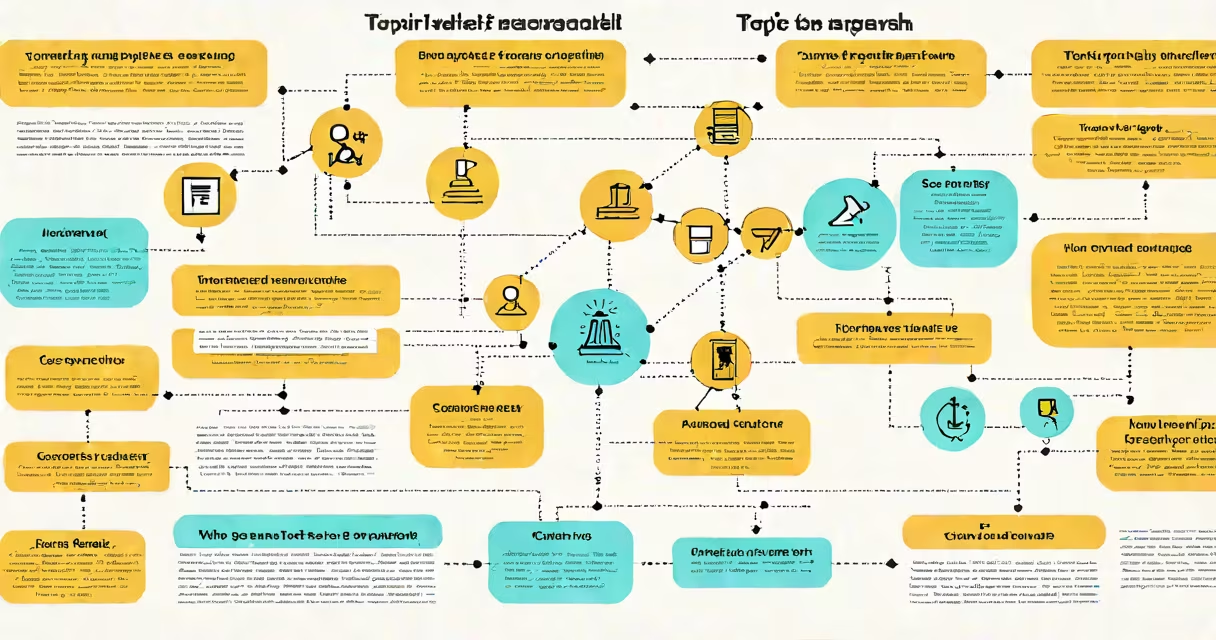
A topic paragraph centers on a single main idea expressed in a clear topic sentence, followed by supporting details and a concluding sentence that reinforces the focus. It serves as the structural anchor for a section of writing, ensuring coherence and direction.
Every effective topic paragraph begins with a topic sentence that states the core claim or theme. This sentence acts as a promise to the reader: "This paragraph will explain X." Supporting sentences then provide evidence, explanation, or examples that develop the idea. The paragraph ends with a sentence that ties the points together, often linking back to the topic sentence or pointing forward to the next idea.
For example, in an essay about climate change impacts on agriculture, a topic paragraph might begin: "Rising temperatures have reduced crop yields in temperate zones since 2000." The next two sentences could cite data from the Intergovernmental Panel on Climate Change (IPCC) showing yield declines in wheat and corn. The final sentence might summarize: "These trends threaten food security in regions dependent on stable harvests."
The topic paragraph operates like a mini-argument. It presents a claim, backs it with facts or analysis, and closes with a synthesis. This structure prevents rambling and keeps the reader oriented within longer texts.
Without a strong topic sentence, readers may struggle to identify the purpose of a paragraph. A weak or vague topic sentence-such as "Climate change affects farming"-fails to signal what aspect of farming is being discussed or why it matters. A precise version, like "Late frosts triggered by erratic spring weather have damaged apple orchards in Washington State," sets clearer expectations.
Research from the University of Michigan's Writing Center confirms that students who draft topic sentences before writing the rest of a paragraph produce more focused work. The act of stating the main idea upfront forces writers to stay on track and avoid irrelevant details.
While all topic paragraphs follow the same basic pattern, their function varies based on context. The most common types are explanatory, argumentative, and descriptive.
| Type | Function | Example |
|---|---|---|
| Explanatory | Clarifies a concept or process | "Photosynthesis converts sunlight into chemical energy using chlorophyll." |
| Argumentative | Presents a claim supported by evidence | "The 1965 Voting Rights Act increased Black voter registration in the South." |
| Descriptive | Paints a vivid picture of a scene or object | "The library's reading room glows under brass chandeliers, quiet except for turning pages." |
Each type uses the same structure but adjusts tone and content. Explanatory paragraphs prioritize accuracy and clarity. Argumentative ones include counterpoints and rebuttals. Descriptive paragraphs rely on sensory language and imagery.
One common mistake is treating the topic paragraph as a summary rather than a launchpad. Writers sometimes place the main idea at the end, assuming readers will infer the point. But in formal writing, the topic sentence belongs at the beginning. Placing it later disrupts flow and makes it harder for readers to follow.
Topic paragraphs appear in academic papers, business reports, news articles, and personal essays. They're essential in any long-form written work where ideas must build logically.
In research papers, each topic paragraph advances a step in the argument. For instance, a paper on urban green spaces might have one paragraph on mental health benefits, another on air quality improvements, and a third on economic value. Each begins with a distinct topic sentence that isolates one benefit.
According to the Purdue Online Writing Lab (OWL), well-structured topic paragraphs improve readability by 40% in student essays. Readers can skim and still grasp the main points because each paragraph stands independently while contributing to the whole.
Even in informal writing, such as blog posts, topic paragraphs prevent tangents. A travel blog describing Kyoto might use a paragraph titled "Gion's Geisha District" with a topic sentence like: "Gion preserves traditional arts through strict apprenticeship systems." Supporting sentences describe training rituals and cultural events. The paragraph concludes by noting the district's role in sustaining heritage.
Many people confuse a topic paragraph with a thesis statement. The thesis appears at the start of an entire essay and outlines the argument. A topic paragraph develops one element of that argument. A single essay may contain five topic paragraphs, each addressing a different component of the thesis.
Another frequent error is assuming that a paragraph must be long. Some writers believe a topic paragraph needs four or five sentences. But brevity doesn't weaken impact. A strong topic paragraph can be as short as three sentences: topic sentence, one supporting detail, and a closing line.
For example, in a report on remote work productivity, a concise topic paragraph might read: "Remote workers reported higher job satisfaction in 2023 surveys." Data from the Pew Research Center showed 68% of remote employees felt more fulfilled than office-based peers. "This suggests autonomy supports well-being."
Some writers also ask whether two sentences can form a valid paragraph. Yes-but only if both serve the same purpose. Two sentences that share a topic sentence and support it are acceptable. But two unrelated thoughts in one paragraph break cohesion. If the second sentence introduces a new idea, it belongs in a new paragraph.
I once reviewed a student's paper where two sentences were grouped under a single topic sentence. The first stated: "Social media use among teens has increased." The second added: "Teens spend 3.5 hours daily on platforms." These two sentences formed a complete unit-clear, focused, and sufficient. No extra words were needed.
Always place the topic sentence at the beginning. Positioning it later forces readers to wait for the main idea, which increases cognitive load. The first sentence should state the central point.
Use specific language. Avoid vague terms like "some people" or "many issues." Instead, say "72% of surveyed teachers reported burnout." Specifics build credibility and reduce ambiguity.
Ensure unity. All sentences in the paragraph must relate directly to the topic sentence. If a sentence discusses a related but different issue-like switching from online learning to classroom design-it breaks the focus and should be moved.
Finally, revise for flow. Read the paragraph aloud. Does it sound natural? Do the sentences connect smoothly? If a sentence feels abrupt, revise it to match the tone and logic of the others.
Understanding how a topic paragraph functions improves writing clarity and reader engagement. Whether drafting a research paper or a personal narrative, structuring ideas around a central claim strengthens communication.