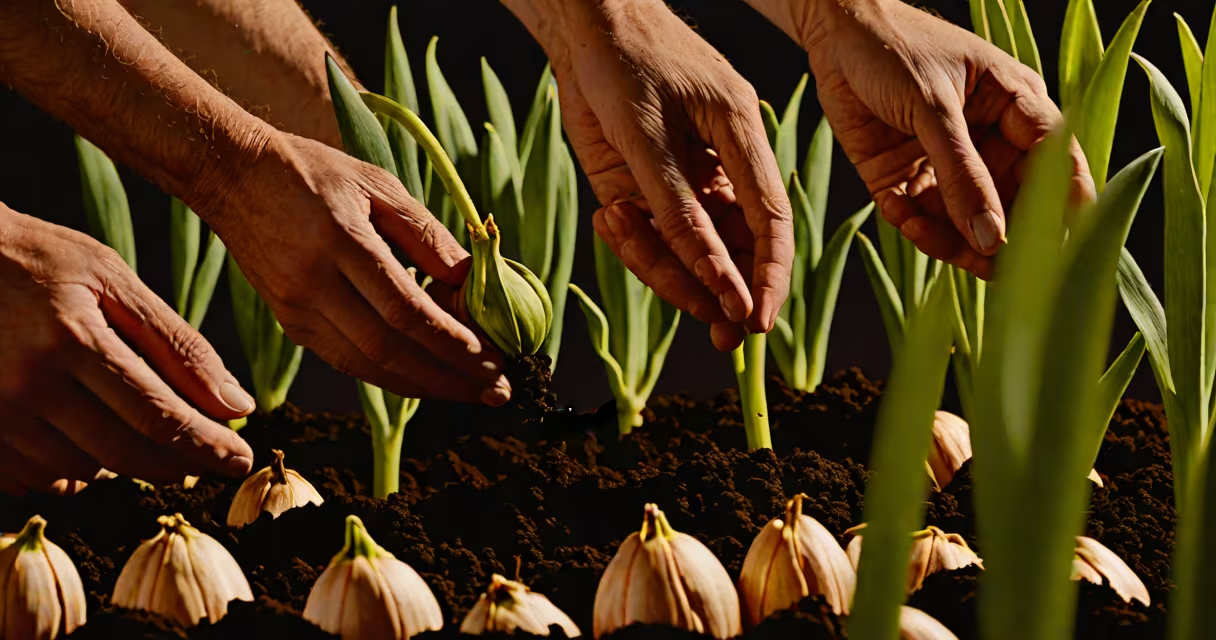
Planting tulip bulbs involves placing dormant underground stems in soil during late summer or early fall so they develop roots before winter and produce flowers in spring. This process requires correct timing, depth, and soil preparation to ensure healthy growth and blooming.
Tulip bulbs are modified underground stems that store energy for the next growing season. They enter dormancy in summer and begin root development when planted in cool soil. The ideal time to plant is when soil temperatures drop below 60°F (15°C), typically between September and November in USDA zones 3-8. Planting too early risks premature sprouting; too late, and roots won't form before freezing.
Soil temperature matters more than calendar dates. In warmer zones (e.g., zone 9), plant in October. In colder zones (e.g., zone 3), plant in early September. A soil thermometer confirms readiness. Bulbs planted when soil is still warm may rot or fail to establish. According to the University of Minnesota Extension, planting within 4-6 weeks of the first frost date maximizes root growth.
| USDA Zone | Recommended Planting Window | Soil Temp Target |
|---|---|---|
| 3-5 | Early to mid-September | Below 60°F (15°C) |
| 6-7 | Mid-October | Below 60°F (15°C) |
| 8-9 | Late October to early November | Below 60°F (15°C) |
Bulbs need well-draining soil. Heavy clay or waterlogged ground causes rot. Amend soil with compost or sand to improve drainage. A pH between 6.0 and 7.0 supports nutrient uptake. Avoid planting in areas with standing water or poor air circulation.
Depth is critical. Place bulbs 6-8 inches deep, measured from the base of the bulb to the soil surface. A rule of thumb: plant at three times the bulb's height. Shallow planting leads to weak stems and poor flower formation. Deep planting protects against frost heave and rodent damage. In sandy soils, slightly deeper placement prevents drying out.
Spacing varies by variety. Large-flowered tulips need 4-6 inches apart. Smaller species tulips can be spaced 2-3 inches apart. Crowding increases disease risk and reduces bloom quality. Overcrowding also limits nutrient access and competition for space.
Common mistakes include planting in poorly drained soil, using bulbs with soft spots or mold, and failing to label varieties. Soft or mushy bulbs indicate decay and should be discarded. Always inspect bulbs before planting. Store them in a dry, cool place until planting. Exposure to heat or moisture accelerates deterioration.
One non-obvious fact: tulips are native to Central Asia, not Europe. They were introduced to the Netherlands in the 16th century and became symbols of wealth during the tulip mania of the 1630s. Today, Dutch growers produce over 3 billion tulip bulbs annually, with most exported worldwide.
For example, a gardener in zone 6 (e.g., suburban Chicago) should plant large-flowered tulips like 'Queen of the Night' in mid-October. Dig holes 7 inches deep. Space bulbs 5 inches apart. Mix in 1/2 cup of bone meal per hole for phosphorus support. Water lightly after planting. Mulch with 2 inches of straw to insulate roots and prevent freeze-thaw cycles.
After planting, avoid walking on the bed. Compacted soil reduces oxygen flow and inhibits root expansion. Wait until spring to remove mulch. Early removal exposes bulbs to temperature swings. Late removal traps moisture and encourages rot.
Some confuse planting tulip bulbs with forcing them indoors. Forced tulips grow in containers under controlled light and warmth. They often fail to rebloom outdoors due to depleted energy reserves. Outdoor planting prioritizes long-term survival and natural blooming cycles.
I once planted 50 tulip bulbs in a raised bed using a hand trowel. After a harsh winter, 92% emerged in spring. The few that didn't were near a drainage pipe that had shifted. Adjusting the bed's slope afterward improved runoff and prevented future issues.
When planting, choose varieties suited to your climate. Species tulips (e.g., Tulipa tarda) thrive in zones 3-8 and return reliably. Hybrid tulips (e.g., 'Apeldoorn') offer bold colors but may not persist beyond two years. For longer-lasting displays, mix species and hybrid varieties.
After blooming, allow foliage to die back naturally. Cutting leaves early starves the bulb and reduces next year's bloom. Let them photosynthesize for six weeks. Once yellowed, remove them. This practice conserves energy for the next season.
Planting tulip bulbs is a seasonal ritual rooted in biology and timing. Success depends on matching planting depth, soil conditions, and timing to local climate patterns. When done correctly, each bulb delivers months of visual reward.