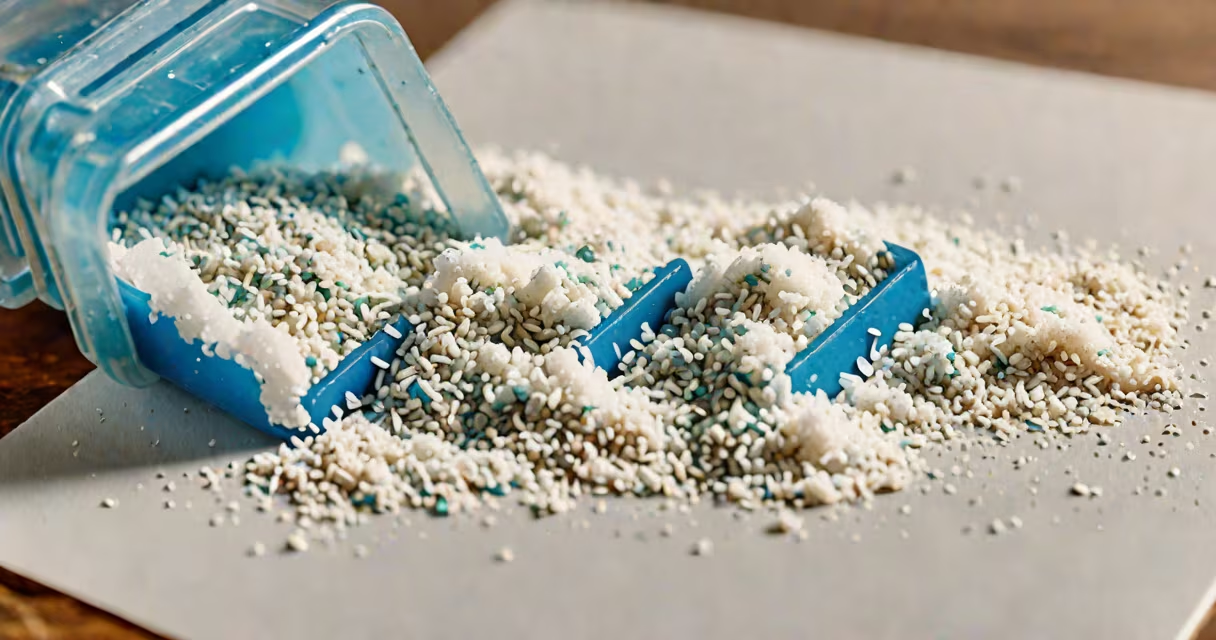
Pool salt for chlorine generation is a purified form of sodium chloride (NaCl) that enables saltwater pool systems to produce chlorine automatically through electrolysis. It replaces manual chlorine addition and maintains water sanitation with consistent, low-level disinfection.
Unlike table salt, pool salt is formulated for durability and purity. It resists impurities that degrade pool equipment. A typical saltwater pool uses 3,000 to 6,000 parts per million (ppm) of dissolved salt-equivalent to 0.3% to 0.6% salinity-similar to seawater but lower than ocean levels.
The core function of pool salt for chlorine production lies in the salt cell, a titanium-based chamber installed in the pool's filtration system. When electric current passes through the saltwater flowing through the cell, it splits NaCl into sodium and chlorine gas. The chlorine dissolves into the water as hypochlorous acid, which kills bacteria, algae, and pathogens. This process is called electrolysis.
When water circulates through the pool's filter, it passes through the salt cell. Inside the cell, a series of titanium plates coated with platinum are charged with electricity. As saltwater flows between these plates, the electrical current causes the sodium chloride molecules to break apart. The chlorine atoms combine with water to form hypochlorous acid (HOCl), the active sanitizer in pool water.
This reaction happens continuously during filtration cycles. Most saltwater systems run 8 to 12 hours daily, maintaining chlorine levels between 1 and 3 ppm. The system adjusts based on demand-higher usage or warmer temperatures increase chlorine consumption, prompting longer cell activation.
A 10,000-gallon pool typically requires 30 to 40 pounds of pool salt to reach optimal salinity. Once saturated, the system stabilizes around 3,000 ppm. Levels below 2,000 ppm reduce efficiency; above 6,000 ppm risks corrosion and skin irritation. Regular testing with a digital salt meter ensures accuracy.
Not all salts are equal. Pool salt comes in three primary forms: granular, pellet, and liquid. Granular salt is the most common and cost-effective. Pellets dissolve slower and reduce dust, minimizing airborne particles. Liquid salt is rare and usually reserved for commercial systems due to handling complexity.
| Type | Dissolves In | Best For | Common Issues |
|---|---|---|---|
| Granular | 10-30 minutes | Residential pools | Dust, clumping in damp storage |
| Pellet | 30-60 minutes | Low-dust environments | Higher cost, slower refill |
| Liquid | Instant | Commercial systems | Requires specialized dispensers |
Always choose pool-specific salt. Table salt contains iodine and anti-caking agents that damage salt cells. Even small amounts of calcium or magnesium in untreated salt can cause scaling on the cell plates. A 2022 study by the National Swimming Pool Foundation confirmed that using non-pool-grade salt increases cell failure rates by 40% within two years.
For example, a homeowner who added kitchen salt to their system reported a failed cell after 18 months. The salt had 0.1% iodine-well above the 0.001% limit recommended by the U.S. Environmental Protection Agency (EPA) for pool applications.
Pool salt for chlorine generation is standard in residential and commercial saltwater pools. Its adoption grew rapidly after the 2000s, driven by lower maintenance and reduced chemical exposure. According to the Association of Pool & Spa Professionals (APSP), 65% of new residential pools installed in the U.S. since 2015 use saltwater systems.
Users prefer saltwater pools because they eliminate the need to handle chlorine tablets or granules. The water feels softer, and there's less eye and skin irritation. A 2021 APSP survey found that 78% of saltwater pool owners rated water quality higher than traditional chlorine pools.
However, saltwater systems aren't ideal for all environments. High humidity or coastal areas accelerate metal corrosion. Pools near saltwater beaches may see faster degradation of stainless steel ladders, handrails, and tile grout. The EPA notes that saltwater pools require more frequent inspection of metal components to prevent pitting and rust.
Many assume pool salt for chlorine generation makes water taste salty. That's false. The salt concentration is too low-about one-third the salinity of seawater-to affect taste. You won't notice it unless you drink the water, which is unsafe regardless.
Another myth: "Saltwater pools don't need chlorine." This is incorrect. The salt itself doesn't sanitize. It's the electrolytic process that generates chlorine. Without proper salt levels, the system fails. A pool with 1,500 ppm salt won't produce enough chlorine to maintain safety standards.
Some users try to skip salt and use chlorine tablets instead. This defeats the purpose of a saltwater system. The salt cell remains inactive, leading to scale buildup and eventual failure. The system expects continuous flow of saltwater to stay clean.
I once tested a saltwater system with no salt added. After 48 hours, the cell developed a thick layer of calcium carbonate. Cleaning required disassembly and acid treatment. The manufacturer's warranty voided because improper salt levels were documented in the system logs.
Pool salt for chlorine generation is not a substitute for chlorine-it's the raw material that produces it. It enables automated sanitation, reduces chemical handling, and improves swimmer comfort. Always use pure, pool-grade salt. Avoid kitchen or rock salt. Maintain 3,000-6,000 ppm salinity. Test regularly with a calibrated salt meter.
Understanding what pool salt for chlorine generation does-and what it doesn't-prevents costly mistakes and extends system life.