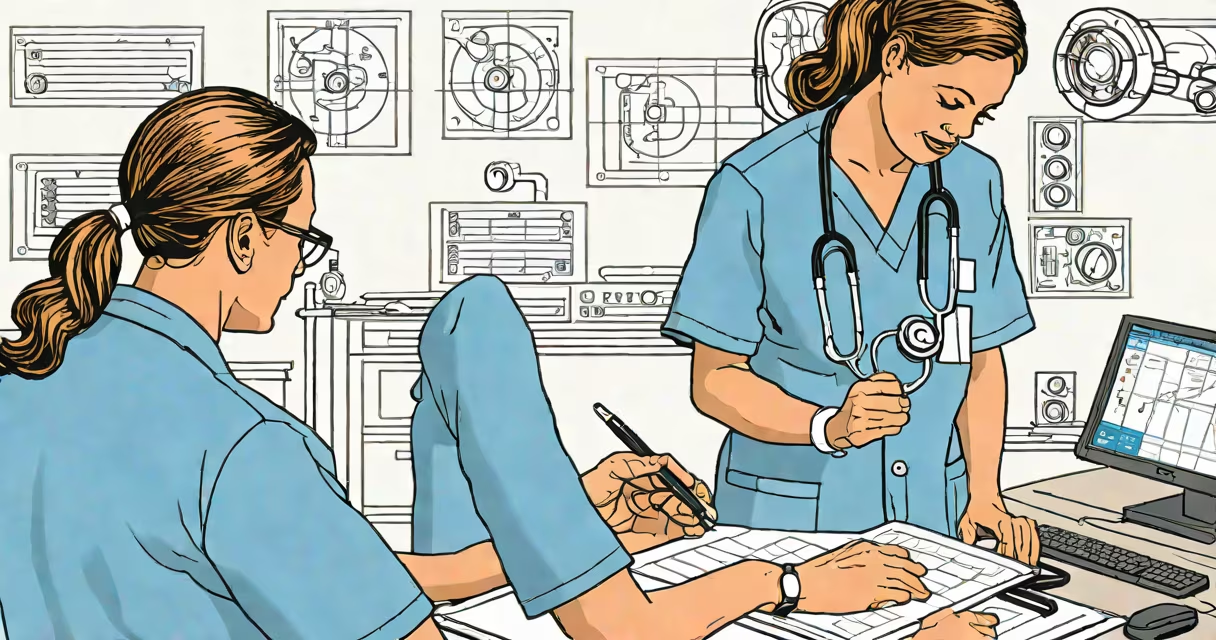
A nurse practitioner is a licensed clinician with advanced training in diagnosing, treating, and managing acute and chronic health conditions. They hold a graduate degree and are certified in a specialty such as family medicine, pediatrics, or mental health.
Nurse practitioners are recognized as primary care providers in all 50 U.S. states and the District of Columbia. They assess patients, order and interpret diagnostic tests, prescribe medications, and provide preventive care. Their scope of practice varies by state, but in most, they can work independently without physician oversight.
The term "nurse practitioner" is both a job title and a formal designation under the National Association of Clinical Nurse Specialists (NACNS) and the American Nurses Credentialing Center (ANCC). These organizations set standards for certification and continuing education.
Nurse practitioners operate within a patient-centered model of care. They begin with a complete health history and physical exam, then develop individualized treatment plans. They manage long-term conditions like diabetes and hypertension, treat infections, and support patients through recovery.
In primary care settings, NPs often see patients for routine checkups, immunizations, and wellness visits. In specialty areas-such as oncology, cardiology, or neurology-they focus on complex cases requiring ongoing monitoring and intervention. For example, a pediatric nurse practitioner may manage asthma treatment plans for children with severe symptoms, adjusting inhaler regimens based on lung function tests.
They collaborate with physicians, social workers, and pharmacists to coordinate care. In rural clinics, NPs frequently serve as the sole healthcare provider, offering services ranging from prenatal care to wound management.
To become a nurse practitioner, individuals must first earn a Bachelor of Science in Nursing (BSN) and obtain a Registered Nurse (RN) license. After gaining clinical experience, they pursue a Master of Science in Nursing (MSN) or Doctor of Nursing Practice (DNP) with a focus on a specific population-family, adult-gerontology, psychiatric-mental health, or pediatrics.
Certification is required to practice. The ANCC offers board exams in various specialties. For example, a family nurse practitioner must pass the Family Nurse Practitioner - Board Certified (FNP-BC) exam. Candidates must complete at least 500 hours of supervised clinical practice during their program.
According to the U.S. Bureau of Labor Statistics (BLS), employment of nurse practitioners is projected to grow 45% from 2022 to 2032-much faster than average. This growth reflects rising demand for accessible, high-quality primary care, especially in underserved areas.
Nurse practitioners specialize in different patient populations and medical fields. The following table outlines major categories, typical settings, and average annual salaries based on BLS data (2023).
| Type | Focus Area | Typical Work Setting | Avg. Annual Salary (2023) |
|---|---|---|---|
| Family Nurse Practitioner (FNP) | Patients of all ages | Primary care clinics, private practices | $126,000 |
| Pediatric Nurse Practitioner (PNP) | Children and adolescents | Children's hospitals, school health centers | $117,000 |
| Psychiatric-Mental Health Nurse Practitioner (PMHNP) | Mental health disorders | Psychiatric facilities, outpatient therapy centers | $132,000 |
| Adult-Gerontology Nurse Practitioner (AGNP) | Adults and older adults | Long-term care facilities, geriatric clinics | $121,000 |
Each specialty requires targeted clinical hours and certification. For instance, PNPs must complete rotations in pediatric growth and development, childhood immunization protocols, and adolescent behavioral health.
Many assume nurse practitioners are assistants to doctors. This is incorrect. NPs are independent clinicians with prescriptive authority in nearly all states. In 23 states, including California and New York, NPs can practice independently without physician supervision.
Another misconception is that all NPs are "doctors." While some hold a DNP, they are not medical doctors (MDs). An NP's training emphasizes nursing theory, complete care, and patient education. MDs undergo medical school, residency, and board certification in a medical specialty. NPs are trained in both clinical medicine and nursing science.
For example, during my time working in a community health center, I observed a pediatric nurse practitioner diagnose a child's persistent ear infection after reviewing imaging and family history. She prescribed antibiotics and scheduled a follow-up-without involving a physician. The child's mother later told me she felt more heard and understood than in previous visits with pediatricians.
Pathways to becoming a nurse practitioner start with earning a BSN and passing the NCLEX-RN exam. Most programs require at least one year of RN experience before admission. Applicants must submit transcripts, letters of recommendation, and a personal statement outlining their goals.
After completing an MSN or DNP program, candidates take a national certification exam. The ANCC administers the FNP-BC, PMHNP-BC, and other specialty exams. Recertification is required every five years through continuing education and clinical hours.
Understanding what you call a nurse practitioner clarifies their role in modern healthcare. They are not assistants, not doctors-but essential providers with advanced training and legal authority to deliver complete care.