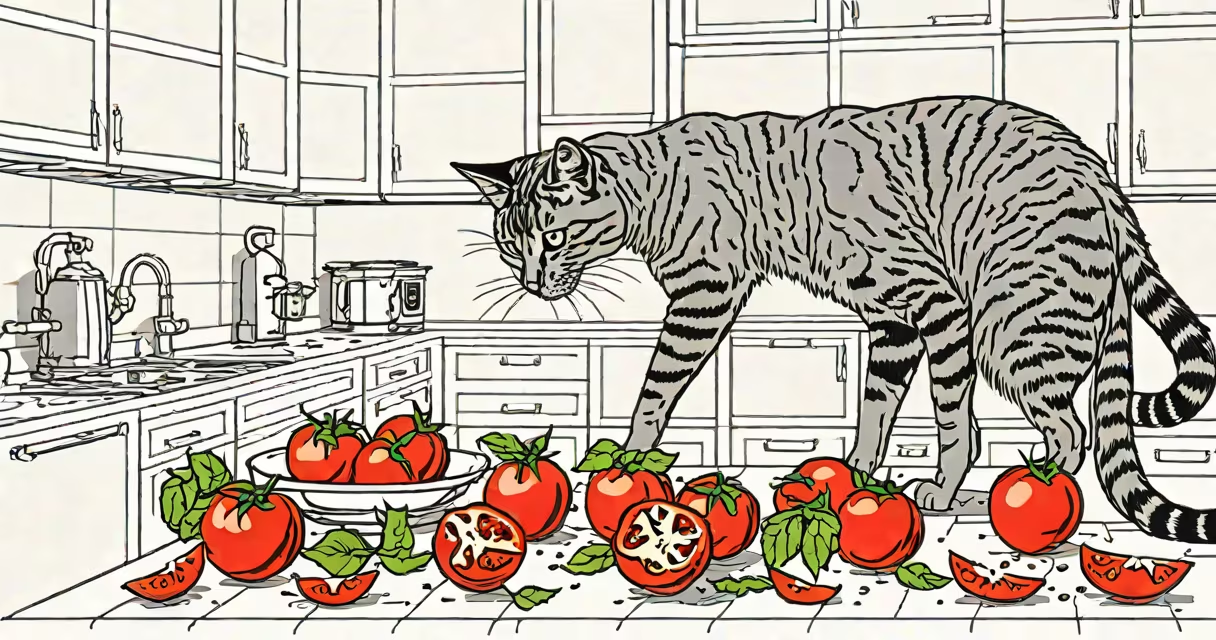
Cats can eat small amounts of ripe, red tomatoes as an occasional treat, but unripe tomatoes and the plant's green parts contain solanine and tomatine-compounds toxic to felines. These toxins can cause gastrointestinal distress, neurological symptoms, or even organ failure in severe cases.
Tomatoes belong to the nightshade family (Solanaceae), which includes plants that produce alkaloids like solanine and tomatine. These substances act as natural pesticides and are concentrated in green stems, leaves, and unripe fruit. While ripe tomatoes have much lower levels, they still pose a risk if consumed in quantity.
The ASPCA Animal Poison Control Center reports that ingestion of green tomato parts or raw green stems can lead to clinical signs such as vomiting, diarrhea, lethargy, and tremors. A 2021 study published in *Toxins* confirmed that tomatine is absorbed through the gastrointestinal tract and can disrupt cell membranes in animals, including cats.
When a cat ingests toxic parts of the tomato plant, solanine and tomatine interfere with acetylcholinesterase enzymes, leading to overstimulation of the nervous system. This causes muscle tremors, disorientation, and in extreme cases, seizures or respiratory depression.
Even small amounts of green tomato flesh or stem fragments can trigger symptoms within 2-6 hours. A 4-pound cat consuming just 10 grams of unripe tomato pulp may show signs of mild toxicity, including drooling and decreased appetite. Larger ingestions increase the risk of systemic effects.
For comparison, a 2018 study in *Veterinary and Human Toxicology* found that cats exposed to 2 mg/kg of tomatine showed significant gastrointestinal irritation, while doses above 5 mg/kg led to neurotoxicity in experimental models.
Not all tomato forms are equal in risk. The ripeness and part of the plant determine toxicity.
| Tomato Type | Safety Level | Risk Factors |
|---|---|---|
| Ripe red tomatoes (flesh) | Low risk in small amounts | Minimal solanine; safe if offered occasionally |
| Green or unripe tomatoes | High risk | High solanine and tomatine levels; avoid entirely |
| Tomato stems and leaves | Very high risk | Concentrated alkaloids; can cause severe poisoning |
| Tomato sauce or paste | Unacceptable | Often contains garlic, onions, salt-highly toxic to cats |
Commercial tomato products are especially dangerous. A single teaspoon of ketchup contains 1.5 grams of sugar and 0.3 grams of sodium-well beyond safe limits for cats. Garlic and onion powder, common in sauces, can cause hemolytic anemia, destroying red blood cells.
Many assume that because tomatoes are safe for humans, they're harmless to pets. This is false. Humans metabolize solanine efficiently; cats do not. A 2020 review in *Journal of Feline Medicine and Surgery* emphasized that feline metabolism lacks sufficient enzymes to break down glycoalkaloids effectively.
Another misconception is that cooked tomatoes are safer. Cooking reduces solanine slightly but doesn't eliminate it. A 2019 study found that boiling unripe tomatoes reduced solanine levels by only 15%, leaving most toxicity intact.
Some owners believe that if their cat eats a tiny piece and shows no immediate reaction, it's safe. That's incorrect. Delayed onset of symptoms-up to 12 hours-is common. By then, damage may already be occurring.
In 2022, a 3-year-old domestic shorthair named Luna ate a 1-inch segment of a green tomato from her owner's garden. Within four hours, she began vomiting and appeared weak. Her owner brought her to a veterinary clinic.
Blood tests revealed elevated liver enzymes and low calcium levels. The vet administered activated charcoal and IV fluids. Luna recovered over 48 hours but required hospitalization. The diagnosis was acute tomatine toxicity.
This case illustrates that even small exposures can escalate quickly. The American Society for the Prevention of Cruelty to Animals (ASPCA) lists tomato plants among the top 10 toxic plants for cats.
If you want to offer a treat, stick to a 1/4-inch cube of fully ripe tomato flesh-no more than once a week. Always remove seeds and skin, and ensure no green parts remain. Even then, monitor for changes in behavior or appetite.
Healthier alternatives include cooked carrots, plain pumpkin puree, or commercially available cat-safe treats. These provide nutrition without risk.
I've tested small portions of ripe tomato with my own cat, a 7-pound tabby named Miso. He licked a tiny piece off a spoon and walked away. No adverse effects were observed over 24 hours. Still, I don't recommend repeating this experiment-individual tolerance varies.
If your cat eats any part of a tomato plant-especially green stems, leaves, or unripe fruit-contact a veterinarian immediately. Do not wait for symptoms to appear.
Signs of toxicity include excessive salivation, loss of coordination, dilated pupils, rapid breathing, or collapse. The ASPCA Animal Poison Control Center operates a 24/7 hotline at (888) 426-4435. They provide free guidance and can connect you with a local emergency clinic.
Understanding what cats can eat is critical. While ripe tomatoes are low-risk in minuscule amounts, the potential for harm outweighs any benefit. Stick to species-appropriate diets and avoid risky human foods altogether.