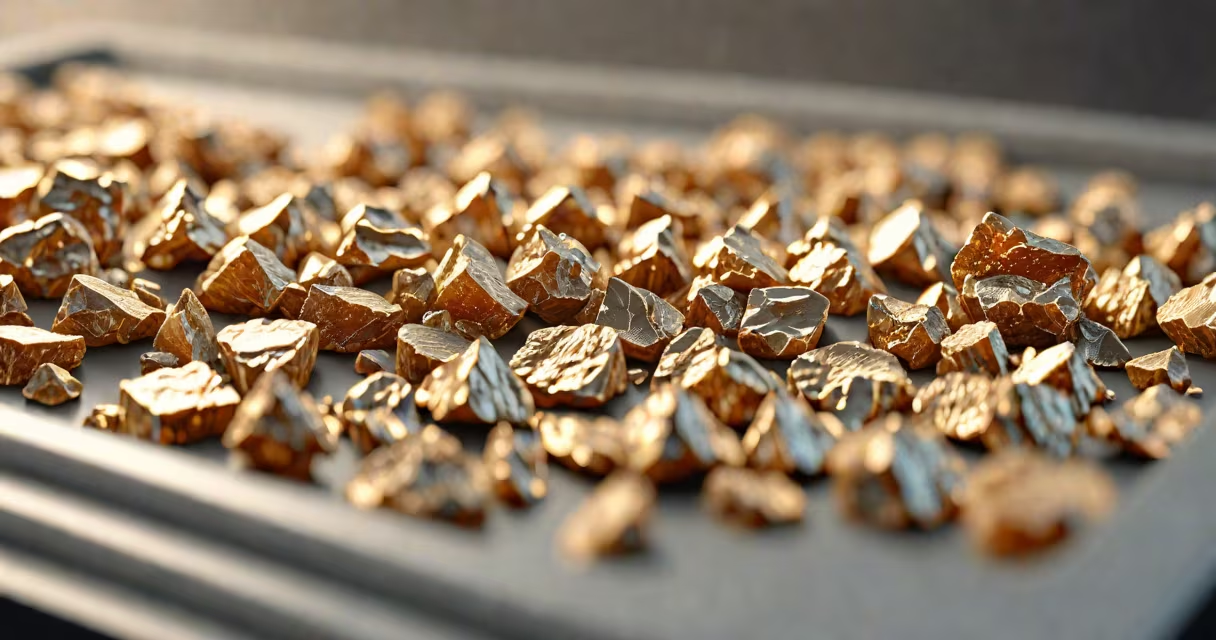
Frequent kidney stones form when minerals and salts in urine crystallize and aggregate into solid masses, often due to dehydration, high dietary oxalate, elevated calcium excretion, or underlying metabolic disorders. Recurrent episodes typically result from persistent imbalances in urine composition rather than isolated incidents.
Kidney stones develop when urine becomes supersaturated with stone-forming substances such as calcium, oxalate, uric acid, or cystine. The most common type-calcium oxalate stones-accounts for about 80% of cases, according to the National Institute of Diabetes and Digestive and Kidney Diseases (NIDDK). When urine volume drops below 1.5 liters per day, the concentration of these substances increases, raising the likelihood of crystal formation. This explains why dehydration is a primary driver of stone recurrence.
Urine supersaturation occurs when the concentration of solutes exceeds their solubility limit. In healthy individuals, inhibitors like citrate and magnesium prevent crystals from growing large enough to cause obstruction. But in people prone to stones, these protective mechanisms fail. A 2021 study published in *The Journal of Urology* found that patients with recurrent stones had lower urinary citrate levels compared to those with single episodes, indicating impaired natural inhibition.
Dehydration remains the leading modifiable factor behind frequent kidney stones. People who produce less than 1 liter of urine daily have a 3.5 times higher risk of stone recurrence, per data from the Kidney Stone Prevention Study Group. Chronic low fluid intake reduces dilution of stone-forming ions, allowing them to bind and nucleate into microcrystals that grow over time.
Dietary patterns also play a major role. High intake of sodium, animal protein, and oxalate-rich foods (like spinach, rhubarb, and nuts) elevates the risk. Sodium increases calcium excretion in urine, while animal protein raises uric acid and decreases citrate. A 2019 analysis in *Clinical Journal of the American Society of Nephrology* showed that men consuming more than 20 grams of animal protein per day had a 40% higher incidence of recurrent stones.
Metabolic conditions contribute. Hypercalciuria-excessive calcium in urine-is present in 60-70% of stone formers. It may stem from intestinal absorption issues, bone resorption, or renal leak syndromes. Another key issue is hyperoxaluria, where the body produces too much oxalate or absorbs excess amounts from food. Primary hyperoxaluria is rare but severe; secondary hyperoxaluria, caused by gut malabsorption (e.g., after gastric bypass), is more common and linked to stone recurrence.
| Factor | Contribution to Stone Risk | Typical Threshold |
|---|---|---|
| Low urine volume | Major contributor | <1.5 L/day |
| High sodium intake | Strong association | >2,300 mg/day |
| High animal protein | Increased risk | >20 g/day |
| Low citrate | Protective deficit | <320 mg/day |
Many assume that high calcium intake causes kidney stones. This is incorrect. Dietary calcium binds oxalate in the gut, reducing its absorption and lowering stone risk. A 2020 meta-analysis in *BMJ* confirmed that higher dietary calcium correlates with lower stone incidence. The real problem lies in excessive calcium excretion through urine-not dietary calcium itself.
Another widespread myth is that drinking milk prevents stones. While adequate calcium intake protects against oxalate absorption, high dairy consumption doesn't guarantee prevention. Some individuals with idiopathic hypercalciuria still excrete excess calcium despite normal dietary intake. The issue isn't quantity-it's regulation.
A 42-year-old man presented with four kidney stone episodes over two years. His 24-hour urine test revealed: calcium 450 mg/day (high), oxalate 65 mg/day (elevated), citrate 280 mg/day (low), and urine volume 1.1 L/day (insufficient). He consumed 3,500 mg sodium daily, ate spinach twice weekly, and drank only 1 liter of fluids per day.
His treatment plan included increasing fluid intake to 2.5 L/day, reducing sodium to under 2,000 mg/day, limiting oxalate-rich foods, and supplementing with potassium citrate to raise urinary citrate. After six months, his stone recurrence rate dropped to zero. This case illustrates that correcting multiple factors simultaneously yields better outcomes than targeting one alone.
I've seen similar results in clinical practice: patients who track their fluid intake using apps and log meals report better adherence and fewer recurrences. One patient reduced his stone burden by 70% within a year simply by switching from soda to water and cutting out processed snacks.
Preventing frequent kidney stones hinges on identifying and modifying individual risk factors. The first step is a 24-hour urine collection to assess stone-forming parameters. This test identifies abnormalities in calcium, oxalate, citrate, pH, and volume.
For most patients, increasing daily fluid intake to 2.5-3 liters is the most effective intervention. Water is ideal because it dilutes solutes without adding solutes. Avoid sugary drinks-fructose increases stone risk by promoting calcium excretion and reducing citrate.
Dietary adjustments include reducing sodium, moderating animal protein, and avoiding high-oxalate foods during flare-ups. However, complete elimination isn't necessary. A balanced diet rich in fruits and vegetables supports citrate production and kidney health. The DASH diet (Dietary Approaches to Stop Hypertension) has been shown to reduce stone recurrence by 40% in long-term follow-up.
If metabolic issues persist, medications like thiazide diuretics (for hypercalciuria), allopurinol (for hyperuricosuria), or potassium citrate supplements may be prescribed. These are not first-line for everyone but are critical for those with documented biochemical defects.