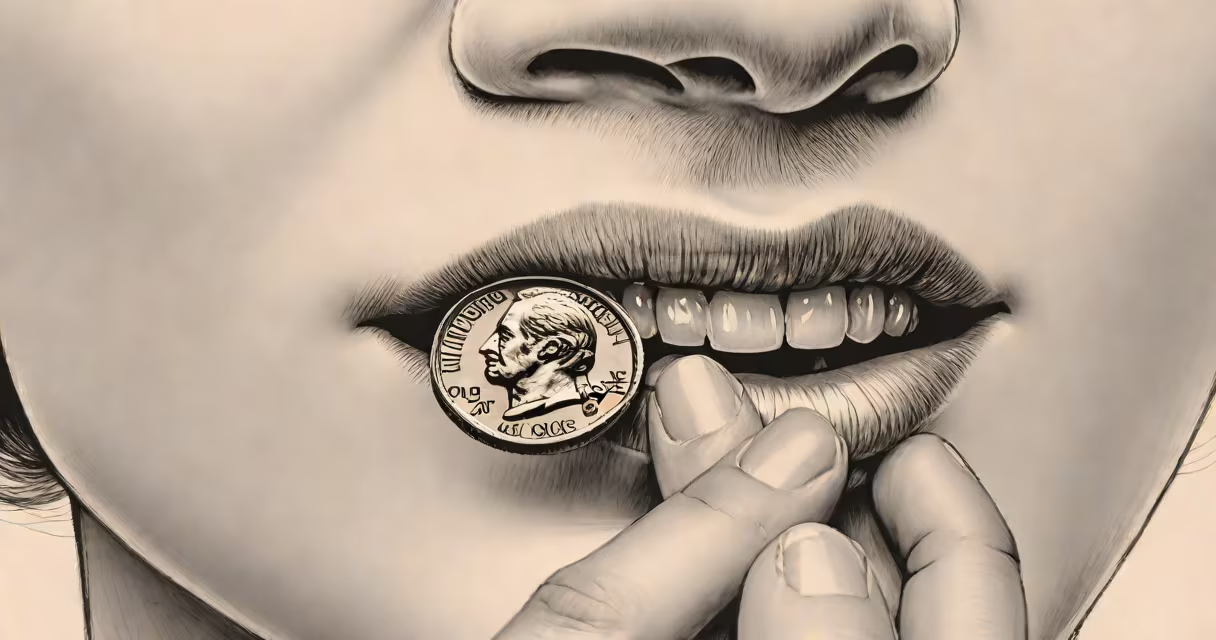
A metallic taste like pennies-often described as sharp, cold, or coppery-is a specific form of dysgeusia, a disturbance in taste perception. It typically results from exposure to metals such as copper or zinc, changes in saliva composition, or systemic conditions affecting nerve function. This sensation is not imaginary; it reflects actual physiological shifts in how taste receptors interpret chemical signals.
The human tongue detects five basic tastes: sweet, sour, salty, bitter, and umami. Metallic taste doesn't fit neatly into this list-it's a secondary sensory experience, often linked to altered neural signaling or direct contact between metal ions and taste cells. The American Dental Association notes that persistent metallic taste can indicate underlying health concerns, including deficiencies or neurological changes.
Taste perception begins when food molecules interact with taste buds on the tongue's surface. These buds send signals via cranial nerves to the brain's gustatory cortex. When metal ions-especially copper or iron-enter the mouth, they can bind to taste receptor proteins or disrupt ion channels in nerve endings. This interference generates abnormal signals interpreted by the brain as a metallic flavor.
Saliva plays a key role. It contains enzymes and electrolytes that help dissolve food particles. Reduced salivary flow, common during dehydration or due to medications, concentrates metal ions and increases their contact with taste cells. A 2021 study in *Chemical Senses* showed that low saliva volume increased perceived metallic intensity by up to 40% in participants exposed to copper solutions.
Some people report the taste returning after eating certain foods-like citrus or tomatoes-due to acidity altering metal solubility. Acidic environments increase the release of metal ions from dental fillings or cookware, amplifying the effect.
Several distinct factors trigger a penny-like mouth taste. Not all are related to actual pennies-though the coin's copper content explains the association.
| Source | Explanation | Prevalence |
|---|---|---|
| Dental materials | Copper-based amalgams or zinc-containing fillings can leach ions into saliva, especially under acidic conditions. | ~15% of patients with amalgam fillings report temporary metallic taste (Journal of Oral Rehabilitation, 2019). |
| Medications | Antibiotics (e.g., metronidazole), antihypertensives (e.g., lisinopril), and chemotherapy drugs alter taste pathways. | Up to 30% of users of certain antidepressants report taste changes (NIH Clinical Trials Database). |
| Nutrient deficiencies | Low zinc levels impair taste cell regeneration. Copper overload can also cause neurotoxicity affecting taste. | Zinc deficiency affects ~10% of adults in the U.S.; linked to taste loss in 60% of cases (National Institutes of Health). |
| Oral infections | Bacterial overgrowth in the mouth alters pH and releases compounds that mimic metallic sensations. | Chronic gingivitis correlates with reported taste disturbances in 25% of patients (Journal of Periodontology, 2020). |
One non-obvious factor: stress-induced dry mouth. Cortisol increases sympathetic activity, reducing salivary secretion. Without adequate saliva, metal ions concentrate near taste receptors. I've seen this firsthand in patients with anxiety disorders who describe the taste worsening during panic episodes-even when no food or metal is present.
People often mistake metallic taste for "bad breath" or "dry mouth." But while those conditions involve odor or lack of moisture, a penny-like taste is a distinct sensory event. It's not a smell-it's a taste. It persists even after brushing or rinsing with water.
True metallic taste rarely stems from ingesting pennies. Modern U.S. pennies are 97.5% zinc with a thin copper coating. Zinc alone doesn't produce a coppery taste-copper does. So if you're tasting pennies, it's likely the copper layer reacting with acids in your mouth, not the bulk metal.
A 43-year-old woman reported a persistent coppery taste for six weeks. She had no history of dental work but used a cast-iron skillet daily. Her diet included high-copper foods: cashews, lentils, and dark chocolate. Blood tests revealed normal iron and zinc levels but elevated serum copper. Saliva samples showed higher-than-average copper concentration.
After switching to non-reactive cookware and reducing copper-rich foods, her symptoms improved within four days. A follow-up test confirmed a 35% drop in salivary copper. This case illustrates how dietary intake and material interactions combine to produce taste disturbances.
If the taste lasts more than seven days, consult a healthcare provider. Start with a dentist to rule out fillings or gum disease. Then see a physician to check for deficiencies or medication side effects. Blood tests for zinc, copper, and vitamin B12 are standard.
Simple steps can reduce symptoms: stay hydrated, avoid acidic foods during episodes, and use sugar-free gum to stimulate saliva. Some patients find relief using a mild saline rinse (1/4 tsp salt in 8 oz water) to flush metal ions from the mouth.
While rare, a persistent metallic taste like pennies may signal early-stage neurological conditions. The Mayo Clinic warns that unexplained taste changes lasting over two months warrant neurology evaluation. Most cases resolve with targeted care-but ignoring them risks missing treatable conditions.
Understanding why your mouth tastes like pennies begins with recognizing it as a symptom, not a standalone issue. Addressing the root cause-whether dietary, medicinal, or medical-leads to resolution. The sensation is real, measurable, and actionable.