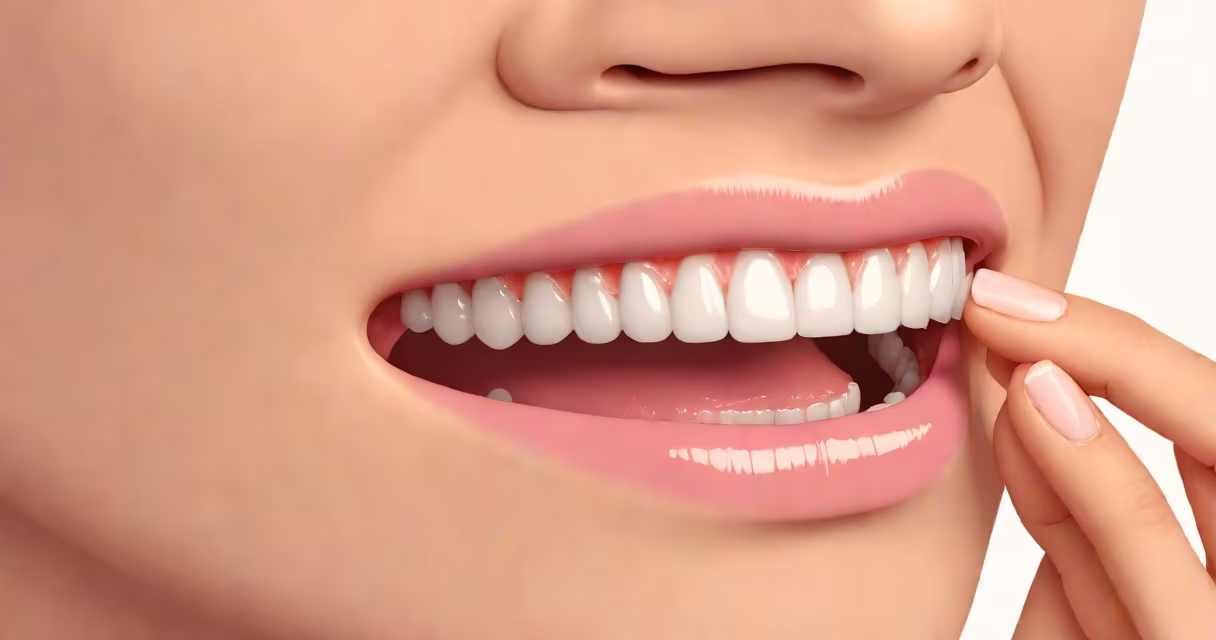
Jaw popping occurs when the temporomandibular joint (TMJ) makes a clicking, popping, or grinding sound during movement. This often happens when opening the mouth wide, chewing, or yawning. The sound results from the joint's disc shifting out of alignment temporarily.
The TMJ connects the jawbone to the skull and allows for smooth motion during talking, eating, and facial expressions. When the joint's cartilage disc slips out of place, it can cause audible clicks or pops. Most cases are harmless and resolve without treatment. However, persistent popping with pain or limited movement may indicate a deeper issue.
According to the American Dental Association, about 10 million people in the U.S. experience TMJ-related symptoms each year. While many report occasional jaw popping, only a small percentage develop chronic discomfort or dysfunction. The condition is more common in adults aged 20 to 40, especially women.
The temporomandibular joint functions like a hinge with a cushioning disc between the bones. As the jaw moves, the disc glides smoothly between the joint surfaces. When the disc becomes displaced-often due to muscle tension, trauma, or arthritis-it can slip forward during jaw opening. This displacement creates a pop or click as the disc snaps back into position.
Some people hear the sound but feel no pain. Others describe a sensation of the jaw "locking" or catching. The noise typically occurs during the initial phase of mouth opening. A 2021 study published in *The Journal of Oral Rehabilitation* found that 68% of participants with TMJ clicking had no associated pain, suggesting the sound alone doesn't confirm pathology.
When the disc remains displaced, it can interfere with normal joint mechanics. Over time, this may lead to joint wear, inflammation, or altered jaw function. The body may compensate by changing how muscles contract, leading to headaches or ear pressure.
Jaw popping is most often linked to benign conditions, but several underlying factors contribute:
| Type | Characteristics | Typical Triggers |
|---|---|---|
| Normal joint function | Occasional popping without pain or limitation | Yawning, chewing gum, wide mouth opening |
| Internal derangement | Disc displacement with reduction; clicking when jaw opens/closes | Stress, teeth clenching, repetitive jaw movements |
| Arthritis-related | Painful popping, stiffness, reduced range of motion | Osteoarthritis, rheumatoid arthritis |
| Joint dislocation | Sudden, loud pop followed by jaw locking in open position | Extreme jaw opening (e.g., singing, biting large food) |
Internal derangement is the most frequent cause of symptomatic jaw popping. It involves the disc slipping forward during jaw opening and snapping back when closing. This pattern often begins gradually and worsens with habits like nail biting or chewing on one side of the mouth.
A 2019 review in *The Journal of Prosthetic Dentistry* noted that individuals who grind their teeth at night (bruxism) are twice as likely to develop TMJ disorders. The constant pressure alters joint mechanics and increases disc displacement risk.
Not all jaw popping requires medical attention. Occasional sounds during yawning or chewing are normal. But persistent popping with pain, difficulty opening the mouth fully, or jaw locking signals a potential problem.
Red flags include:
I once observed a patient with a history of jaw popping who reported increasing pain during meals. After imaging, we found the disc was partially displaced and causing friction. Conservative treatment-oral splint, physical therapy, and stress management-reduced symptoms within six weeks.
Ignoring persistent symptoms can lead to joint degeneration. The National Institute of Dental and Craniofacial Research warns that untreated TMJ disorders may result in long-term joint damage, requiring surgical intervention in rare cases.
If jaw popping is infrequent and pain-free, no action is needed. Monitor for changes. But if popping occurs regularly with discomfort, consult a dentist or oral specialist. They may recommend a custom bite guard, physical therapy, or imaging such as MRI to assess disc position.
Understanding the difference between transient joint noises and signs of dysfunction helps avoid unnecessary worry. If you're unsure whether your jaw popping fits the pattern of concern, ask yourself: does it hurt? Does it limit movement? If yes, seek evaluation.
Remember, "what does it mean if your jaw pops" depends on context. A single pop during a yawn is usually nothing. Recurrent popping with pain or restriction may require care. Early recognition improves outcomes.