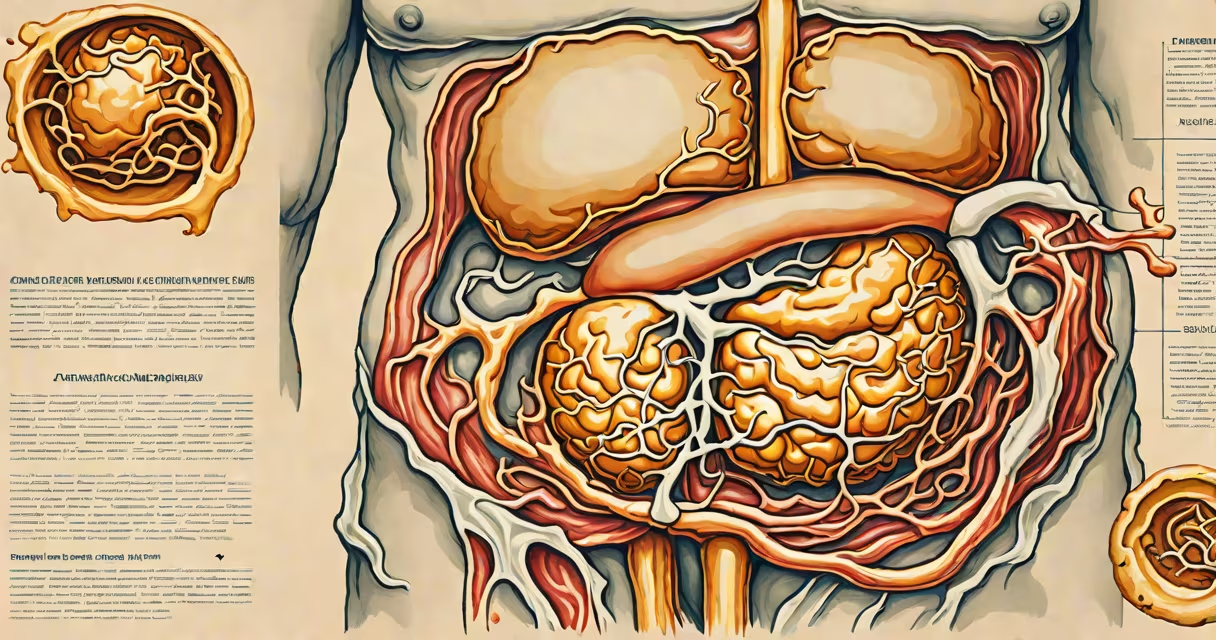
Constipation triggers nausea through physical pressure on the stomach, slowed digestion, and disrupted gut-brain signaling. When stool builds up in the colon, it stretches the intestinal walls, activating nerves that send distress signals to the brain's vomiting center. This reflex can occur even without a complete blockage.
The connection between constipation and nausea lies in the autonomic nervous system's response to intestinal distension. As fecal matter accumulates, especially in the lower colon, the walls stretch. Stretch receptors in the bowel wall stimulate the vagus nerve, which relays signals to the medulla oblongata-the brain's control center for nausea and vomiting. This pathway explains why severe constipation often leads to queasiness, even in the absence of infection or illness.
A 2021 study published in *Neurogastroenterology & Motility* confirmed that patients with chronic constipation showed elevated levels of gut-derived serotonin and altered vagal tone, both linked to nausea. The researchers noted that 63% of participants reported nausea during flare-ups, particularly when bowel movements were infrequent or painful.
When stool remains in the large intestine longer than usual, water absorption increases, hardening the stool and reducing motility. This slows transit time, sometimes to over 72 hours. As the colon expands, it presses against nearby organs, including the stomach and diaphragm. This mechanical pressure can inhibit normal gastric emptying, leading to a feeling of fullness and nausea.
Delayed gastric emptying occurs because the stretched colon sends inhibitory signals via the enteric nervous system. These signals reduce peristalsis in the small intestine and delay food passage into the colon. The result is a backlog of undigested material in the upper GI tract, which further stimulates nausea centers in the brainstem.
For example, a patient with opioid-induced constipation may report persistent nausea despite eating little. Opioids slow colonic motility by binding to mu-opioid receptors in the gut wall. A 2019 review in *The American Journal of Gastroenterology* found that 41% of patients on long-term opioids experienced nausea, with constipation being the primary driver.
Several medical conditions amplify the risk of nausea due to constipation:
One non-obvious factor is the role of gut microbiota imbalance. Research from *Gut Microbes* (2022) shows that low microbial diversity in the colon correlates with both constipation and increased nausea severity. Dysbiosis alters fermentation patterns, producing excess gas and bloating, which worsen abdominal pressure and nausea.
Nausea from constipation typically presents as dull, persistent queasiness rather than sudden waves. It often improves after a bowel movement or with laxatives. If nausea persists despite relief from constipation, other causes such as infection, medication side effects, or neurological issues should be ruled out.
Common misdiagnoses include food poisoning or migraines. However, constipation-related nausea usually lacks fever, diarrhea, or headache. A key differentiator is timing: nausea begins or worsens after meals and coincides with infrequent bowel movements.
For instance, a 45-year-old woman reported daily nausea and difficulty passing stools twice weekly. After starting a fiber supplement, her bowel frequency improved, and nausea decreased. She later discovered that her initial fiber intake was too high too quickly-a known trigger for bloating and nausea. Reducing dosage resolved the issue.
Nausea from constipation is usually benign, but red flags require prompt attention. Seek care if:
These signs may indicate a partial obstruction, tumors, or inflammatory bowel disease. A CT scan or colonoscopy may be needed to rule out structural issues.
For those managing chronic constipation, tracking symptoms in a diary helps identify triggers. A 2020 study in *Clinical Gastroenterology and Hepatology* found that patients who recorded diet, bowel habits, and symptom severity had better outcomes when adjusting fiber and fluid intake.
Understanding why constipation causes nausea reveals a clear physiological chain: prolonged stool retention → intestinal distension → vagal nerve activation → brainstem nausea response. Addressing the root cause-whether through hydration, fiber adjustment, or medical intervention-breaks the cycle and restores comfort.