Blood pressure is influenced by a mix of biological, behavioral, and environmental factors that affect how hard the heart pumps and how wide or narrow the arteries are. These elements determine whether readings fall within normal ranges or rise into the hypertensive zone.
Normal blood pressure averages around 120/80 mm Hg, with 120 representing systolic pressure (pressure during heartbeats) and 80 indicating diastolic pressure (pressure between beats). Deviations from this standard result from interactions among genetic predisposition, daily habits, and underlying medical conditions.
The body maintains blood pressure through feedback loops involving the kidneys, nervous system, and hormones. When blood volume increases or vessels constrict, pressure rises. Conversely, vessel dilation or reduced fluid volume lowers pressure.
For example, the renin-angiotensin-aldosterone system (RAAS) activates when blood flow to the kidneys drops. Renin converts angiotensinogen into angiotensin I, which becomes angiotensin II-a potent vasoconstrictor. Angiotensin II raises blood pressure by narrowing arteries and triggering aldosterone release, which increases sodium and water retention.
A 2021 study published in Journal of the American Heart Association found that individuals with a specific variant in the AGT gene had a 30% higher risk of developing stage 2 hypertension compared to those without it. This illustrates how inherited traits directly impact vascular resistance and cardiac workload.
Factors affecting blood pressure fall into five core categories: physiological, lifestyle, medical, environmental, and genetic. Each contributes independently and synergistically to risk.
| Factor Type | Examples | Impact Level |
|---|---|---|
| Physiological | Age, sex, body mass index (BMI) | High |
| Lifestyle | Sodium intake, physical activity, alcohol consumption | High |
| Medical Conditions | Chronic kidney disease, sleep apnea, thyroid disorders | High |
| Environmental | Stress exposure, air pollution, noise levels | Moderate |
| Genetic | Family history, single nucleotide polymorphisms (SNPs) | Moderate to high |
Among these, lifestyle choices have the most immediate effect. For instance, consuming 2,300 mg of sodium daily-well above the American Heart Association's recommended limit of 1,500 mg-can raise systolic pressure by 5 to 6 mm Hg in salt-sensitive individuals.
Many assume blood pressure spikes are always due to stress or anxiety. While acute emotional states can cause temporary elevations, sustained high readings stem from chronic issues like insulin resistance or arterial stiffness.
Another frequent error is equating blood pressure with cholesterol. High cholesterol contributes to plaque buildup and artery narrowing, indirectly raising pressure. But they are distinct mechanisms: one affects lipid levels, the other measures force against vessel walls.
A non-obvious point often missed: blood pressure varies throughout the day. The average adult experiences a 10-20 mm Hg drop in systolic pressure during nighttime sleep. Missing this pattern can lead to misdiagnosis-some patients show "white coat hypertension" (elevated readings only in clinical settings) while others have masked hypertension (normal in clinics, high at home).
Consider a 45-year-old office worker with a sedentary job, a family history of stroke, and a diet high in processed foods. His blood pressure reading at a clinic is 148/92 mm Hg-classified as stage 1 hypertension by the American College of Cardiology guidelines.
Further evaluation reveals he consumes approximately 3,200 mg of sodium daily, exercises less than 10 minutes per week, and has a BMI of 31. He also reports waking frequently at night due to snoring, suggesting obstructive sleep apnea-a known contributor to elevated blood pressure.
After adjusting his diet to reduce sodium, increasing walking to 30 minutes daily, and undergoing a sleep study, his blood pressure dropped to 128/80 mm Hg within four months. This case demonstrates how multiple modifiable factors interact to influence readings.
Regular monitoring is essential because hypertension often shows no symptoms. The Centers for Disease Control and Prevention notes that nearly half of U.S. adults have high blood pressure, yet only about 25% have it under control.
If readings consistently exceed 130/80 mm Hg over several days, especially with risk factors like diabetes, smoking, or obesity, consult a healthcare provider. Early intervention reduces long-term damage to the heart, brain, and kidneys.
On the positive side, consistent lifestyle changes can reverse early-stage hypertension. Regular aerobic exercise, weight loss, and dietary improvements like the DASH eating plan (Dietary Approaches to Stop Hypertension) have been shown to reduce systolic pressure by 10-15 mm Hg in controlled trials.
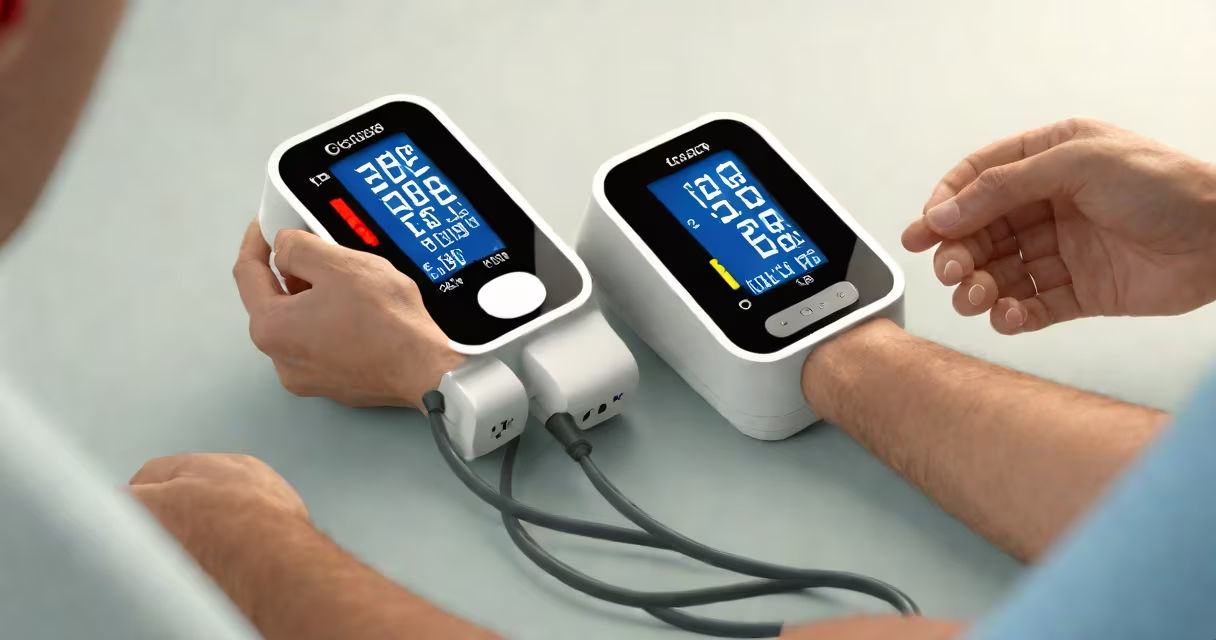
For ongoing management, consider tracking home readings over time. Devices like wrist or upper-arm monitors provide accurate data when used correctly. A log showing consistent patterns helps doctors tailor treatment plans.
While some factors like aging and genetics cannot be changed, many others are within personal control. Addressing modifiable elements reduces strain on the cardiovascular system and lowers the risk of heart attack, stroke, and kidney failure.