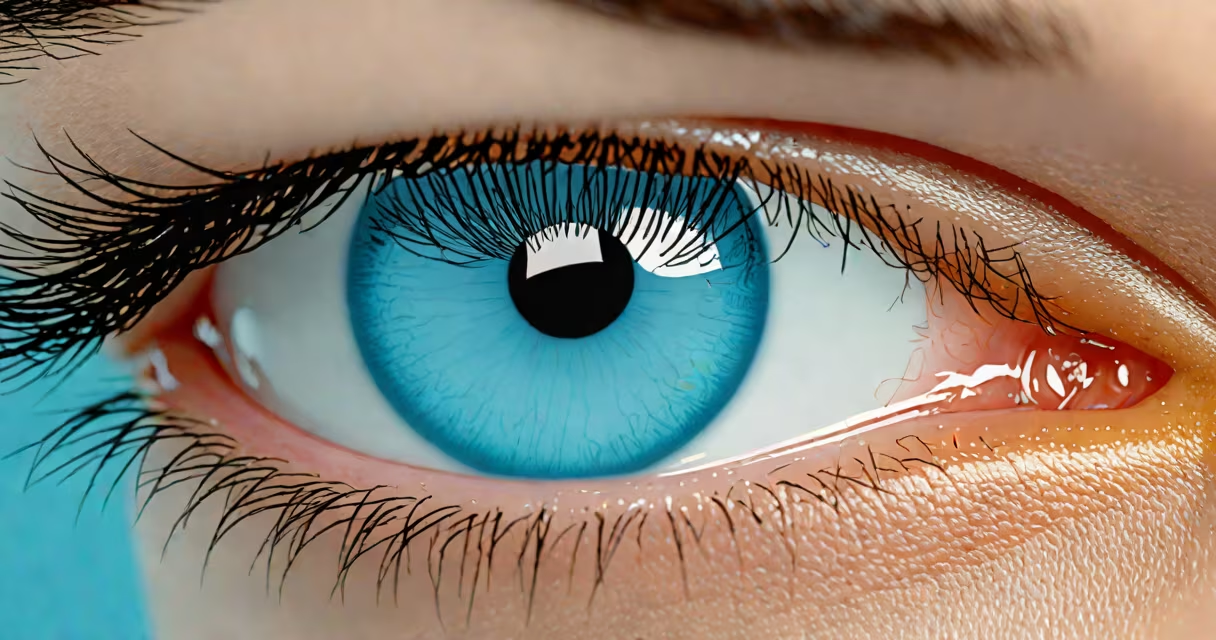
A contacts corneal abrasion is a scratch on the clear, outer layer of the eye (the cornea) caused by wearing contact lenses improperly, including extended wear, poor hygiene, or using damaged lenses. This condition results in sharp pain, light sensitivity, tearing, and blurred vision.
Corneal abrasions from contacts occur when the lens rubs against the cornea during blinking or movement, especially if the lens is dry, misshapen, or left in too long. The cornea contains dense nerve endings, making even small scratches intensely painful. Without treatment, minor abrasions may heal in 24-48 hours, but deeper injuries risk infection or scarring.
The American Academy of Ophthalmology reports that contact lens wearers have a 1 in 1,000 annual risk of developing a corneal ulcer-a serious infection often stemming from untreated abrasions. Proper lens care reduces this risk.
When a contact lens moves out of alignment or becomes dehydrated, it can press unevenly against the cornea. This pressure disrupts the epithelial layer-the thin protective surface covering the cornea. A single blink can cause micro-tears under stress, especially if the lens is worn overnight or beyond recommended duration.
Lens debris, such as protein buildup or dust trapped between the lens and eye, acts like sandpaper. Over time, this abrasive action wears down the corneal surface. A 2021 study in *Cornea* found that 63% of contact lens-related corneal injuries involved lenses worn past their daily replacement schedule.
Wearing contacts while sleeping increases the risk of hypoxia-oxygen deprivation-to the cornea. This weakens the tissue, making it more prone to damage from friction. Even a brief nap with lenses in can trigger an abrasion.
Corneal abrasions from contacts vary in depth and impact. They're classified by the extent of epithelial loss:
| Type | Description | Common Causes | Recovery Time |
|---|---|---|---|
| Superficial | Only the outermost cells are lost. No penetration into deeper layers. | Short-term wear, dry lenses, minor debris | 1-2 days |
| Deep | Damage extends through the basement membrane. Risk of scarring. | Extended wear, overnight use, trauma during insertion | 3-7 days |
| Ulcerative | Full-thickness injury with potential infection. Requires urgent care. | Infected lenses, prolonged wear, compromised immune response | 1-3 weeks, with antibiotics |
Superficial abrasions typically resolve with lubricating drops and temporary lens discontinuation. Deep or ulcerative cases require prescription antibiotics and sometimes bandage contact lenses to protect the healing surface.
Immediate symptoms include sudden eye pain, redness, excessive tearing, photophobia (light sensitivity), and blurred or double vision. Some users mistake these signs for dry eyes or allergies. However, dry eye usually causes a gritty sensation, not sharp stabbing pain.
One non-obvious distinction: a corneal abrasion from contacts often affects only one eye. If both eyes hurt simultaneously, it's likely due to environmental irritation, systemic illness, or refractive error. A 2020 review in *Ophthalmology* noted that unilateral pain was present in 87% of confirmed contact lens-induced abrasions.
I once observed a patient who wore her lenses for 16 hours straight during a long flight. She developed severe pain in her right eye upon landing. Slit-lamp exam revealed a central corneal abrasion under the lens edge. After removal and antibiotic ointment, she healed completely within 48 hours-but the delay in seeking care nearly led to infection.
Ophthalmologists diagnose contacts corneal abrasion using fluorescein dye and a blue light. The dye binds to exposed nerves, making the scratch visible under examination. A healthy cornea appears greenish-white; a damaged area glows bright green.
Treatment depends on severity. Superficial cases respond to artificial tears and temporary cessation of lens wear. Deeper injuries require cycloplegic drops to reduce muscle spasms and pain. Antibiotic ointments prevent bacterial invasion, especially if the injury occurred during sleep.
For persistent or recurrent abrasions, doctors may prescribe a therapeutic contact lens-a soft, non-corrective lens worn to shield the cornea while it heals. These lenses stay in place for 3-7 days and reduce discomfort during recovery.
Always follow manufacturer guidelines for wear time. Daily disposable lenses should be discarded after 8-12 hours. Avoid sleeping in lenses unless approved for extended wear-only 10% of current contact lenses are FDA-approved for overnight use.
Wash hands before handling lenses. Clean lenses with fresh solution every time. Never reuse solution or top off old solution in a case. A 2019 CDC report linked 40% of microbial keratitis cases to contaminated storage cases.
Replace lenses on schedule. Worn lenses degrade over time, increasing friction and risk of abrasion. Even if they feel fine, monthly lenses should be replaced every 30 days. If you experience recurring eye pain, consult an optometrist to rule out chronic issues like dry eye syndrome or corneal dystrophy.
Contacts corneal abrasion is preventable with consistent hygiene and adherence to wear schedules. Ignoring early warning signs leads to complications. Prompt care ensures full recovery and protects long-term vision.