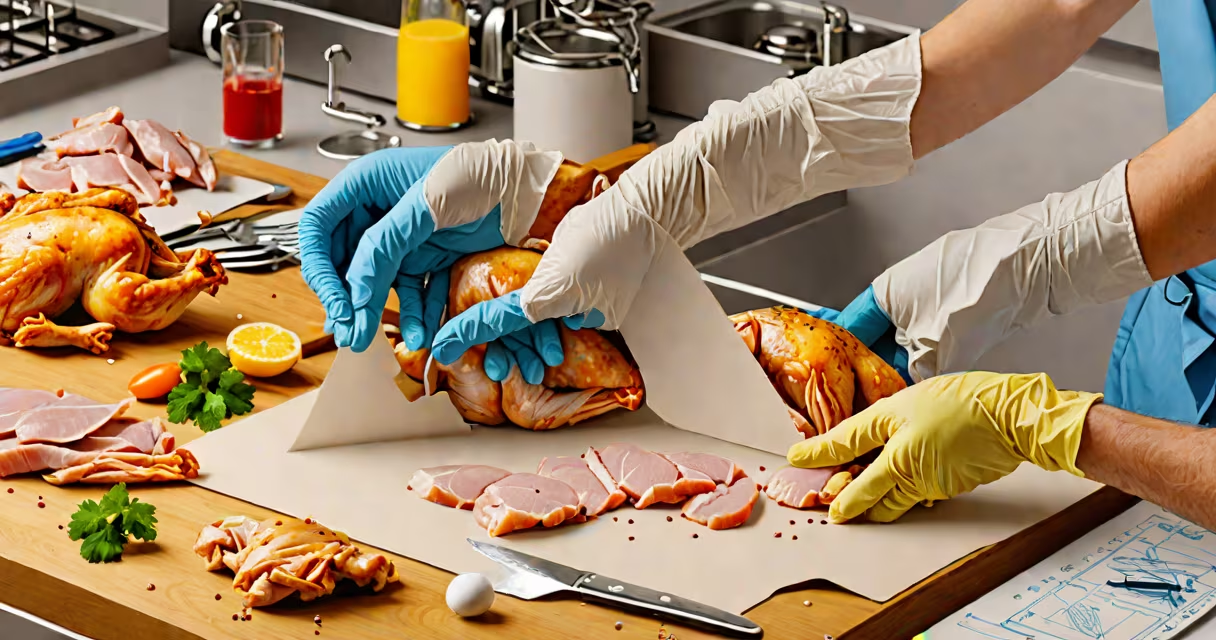
Yes, you can eliminate salmonella through thorough cooking, strict food handling hygiene, and environmental disinfection. The bacterium Salmonella enterica is killed by heat, and contamination is prevented by cleaning surfaces, separating raw foods, and washing hands.
Salmonella is a group of bacteria that cause salmonellosis, a common form of foodborne illness. It lives in the intestines of animals and humans and spreads through contaminated food, especially undercooked poultry, eggs, meat, and unpasteurized dairy. Once ingested, it multiplies in the gut and triggers symptoms like diarrhea, fever, and abdominal cramps within 6 to 72 hours.
The Centers for Disease Control and Prevention (CDC) estimates that Salmonella causes about 1.35 million infections, 26,500 hospitalizations, and 420 deaths annually in the United States. Most cases resolve without antibiotics, but severe cases require medical intervention. Proper food safety measures are the most effective way to prevent and eliminate exposure.
Salmonella is destroyed by heating food to a minimum internal temperature of 165°F (74°C) for at least 15 seconds. This applies to poultry, ground meats, and cooked dishes. For example, a whole chicken must reach 165°F in the thickest part of the breast, measured with a food thermometer-not just visual cues like clear juices.
Surface contamination is removed through cleaning with hot water and soap, followed by sanitizing with a solution of 1 tablespoon of unscented bleach per gallon of water. This kills residual bacteria on cutting boards, countertops, and utensils. A study published in the Journal of Food Protection found that bleach solutions reduced Salmonella levels on kitchen surfaces by 99.9% after 10 minutes of contact time.
Handwashing with soap and running water for at least 20 seconds removes salmonella from skin. The CDC emphasizes hand hygiene after handling raw meat, using the bathroom, or touching pets. Failure to wash hands increases transmission risk by up to 30%, according to a 2021 outbreak investigation in California.
Many people believe that rinsing raw chicken under tap water prevents salmonella. This is false-and dangerous. Rinsing splashes bacteria onto sinks, counters, and nearby surfaces, increasing cross-contamination. The USDA advises against rinsing raw poultry and recommends cooking it thoroughly instead.
Another error is assuming that pasteurization is unnecessary for eggs. Raw eggs may carry Salmonella Enteritidis, which can survive in egg whites and yolks. Pasteurized eggs are heated to kill bacteria without cooking the egg. Using them in recipes like Caesar dressing or hollandaise reduces infection risk by 90% compared to raw shell eggs, per FDA data.
A non-obvious fact: Salmonella can persist in dry environments for months. In a 2019 outbreak linked to peanut butter, the bacteria survived in low-moisture conditions for over six months. This highlights the need for cleaning dry storage areas and inspecting ingredient suppliers for contamination history.
In 2022, a chain of fast-casual restaurants reported 47 confirmed cases of salmonellosis linked to a house-made guacamole. The source was traced to avocados imported from Mexico, which were washed with tap water that had high bacterial load. The kitchen staff did not wear gloves when handling cut produce, and the prep area was not sanitized between shifts.
After testing, health inspectors found Salmonella Typhimurium on cutting boards and in the sink drain. The restaurant closed for 72 hours, disinfected all surfaces with a 1:10 bleach solution, replaced cutting boards, and trained staff on separation of raw and ready-to-eat foods. No further cases were reported after the intervention.
This case shows that elimination requires both immediate action and systemic changes. Cooking alone won't fix poor handling practices. The combination of heat, sanitation, and procedural discipline is essential.
Salmonella is often confused with Listeria monocytogenes and E. coli O157:H7. While all are foodborne pathogens, they differ in growth conditions and symptoms. Salmonella thrives in warm, moist environments and causes acute gastroenteritis. Listeria grows slowly in refrigerated foods and can lead to meningitis in pregnant women. E. coli produces toxins that cause bloody diarrhea and hemolytic uremic syndrome.
| Pathogen | Growth temp | Common sources | Key symptom |
|---|---|---|---|
| Salmonella | 20-45°C (68-113°F) | Poultry, eggs, raw produce | Diarrhea, fever, cramps (6-72 hrs) |
| Listeria | 1-45°C (34-113°F) | Soft cheeses, deli meats, cold smoked fish | Fever, muscle aches, nausea (1-70 days) |
| E. coli O157:H7 | 37°C (98.6°F) | Ground beef, raw milk, sprouts | Bloody diarrhea, kidney failure (3-4 days) |
Unlike these, salmonella cannot be treated with antibiotics in mild cases. Overuse leads to resistant strains. The World Health Organization reports that multidrug-resistant Salmonella is rising, especially in regions with unregulated antibiotic use in livestock.
Most healthy adults recover from salmonella in 4 to 7 days without treatment. However, seek medical care if symptoms include high fever (>102°F), prolonged diarrhea (>3 days), blood in stool, or signs of dehydration such as dizziness or reduced urination.
Children, elderly adults, and immunocompromised individuals are at higher risk. A 2020 study in Clinical Infectious Diseases showed that hospitalization rates for salmonellosis were 12 times higher in patients over 65 compared to those aged 18-34.
If you suspect exposure, report it to your local health department. Outbreaks are tracked by the CDC's PulseNet system, which uses DNA fingerprinting to link cases across states. Early reporting helps stop clusters before they grow.
Salmonella is preventable and treatable. Eliminating it relies on consistent hygiene, correct cooking temperatures, and awareness of hidden risks. Knowing how to get rid of salmonella saves lives and protects public health.