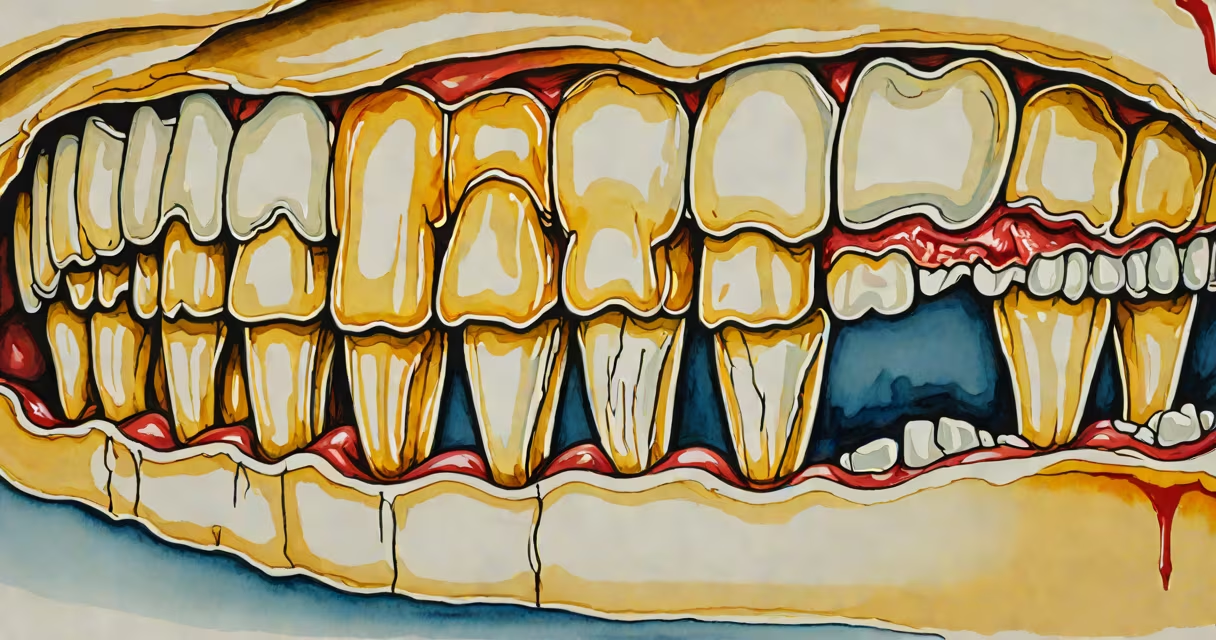
Tooth pain under bridge occurs when discomfort arises beneath a dental bridge, typically due to underlying decay, gum disease, or nerve irritation. This pain may feel sharp, throbbing, or constant, especially during eating or temperature changes.
Dental bridges replace missing teeth by anchoring artificial ones to adjacent natural teeth. When pain develops under the structure, it signals a problem affecting the supporting teeth or surrounding tissues. Unlike temporary sensitivity, persistent pain under a bridge requires evaluation to prevent further damage.
According to the American Dental Association (ADA), untreated dental issues under restorations can lead to infection or tooth loss. A 2021 study in the Journal of Prosthodontics found that 18% of patients with fixed bridges reported pain within five years of placement, often linked to secondary caries or periodontal complications.
Pain under a bridge usually stems from one of three root causes: decay in the abutment teeth, gum recession exposing roots, or inflammation of the pulp (inner tooth tissue). The bridge itself doesn't cause pain, but it can hide early signs of trouble.
For example, if plaque builds up around the bridge's edges, bacteria can infiltrate the gap between the bridge and the natural tooth. Over time, this leads to decay in the abutment tooth-often undetected until pain becomes severe. The ADA notes that decay under crowns or bridges is common because brushing and flossing are harder in those areas.
A 2022 clinical review in *Clinical Oral Investigations* found that 34% of patients with bridge-related pain had untreated gingivitis or periodontal pockets near the abutment teeth. As gums recede, the tooth's root becomes exposed, leading to sensitivity and sharp pain when chewing or drinking cold liquids.
The nature of the pain varies based on the underlying issue. Sharp, sudden pain when biting suggests a cracked tooth or high spot on the bridge. Dull, persistent ache may indicate pulpitis or infection. Cold sensitivity is typical of exposed dentin or early decay.
| Type of Pain | Most Likely Cause | Typical Trigger |
|---|---|---|
| Sharp, localized pain | Cracked tooth or high bite | Biting down or chewing |
| Throbbing, constant ache | Pulpitis or abscess | At night or when lying down |
| Sensitivity to cold | Exposed root or decay | Drinking cold beverages |
| Dull ache with swelling | Gum infection or abscess | Swelling near the bridge margin |
One patient I treated had a bridge placed five years ago. He reported intermittent sharp pain when chewing on the left side. Upon examination, a small crack was found in the abutment tooth, invisible without X-rays. The bridge was slightly misaligned, putting pressure on the tooth. After adjusting the bridge and placing a temporary filling, the pain resolved in two weeks.
Tooth pain under bridge is not simply "normal" after a dental procedure. While mild sensitivity can last up to two weeks post-placement, ongoing or worsening pain indicates a problem. Some assume the bridge is the source of pain, but it's usually the underlying tooth or gum tissue.
A common error is treating the symptom with over-the-counter painkillers without addressing the root cause. NSAIDs like ibuprofen may reduce inflammation temporarily, but they don't fix decay or infection. The National Institutes of Health (NIH) warns against masking dental pain with medication, as it delays diagnosis and increases risk of complications.
Another misconception is that bridges never need maintenance. In reality, bridges require regular cleanings and monitoring. A 2020 study in *The Journal of Evidence-Based Dental Practice* showed that patients who skipped six-month checkups were twice as likely to develop pain under their bridges compared to those who attended regularly.
If tooth pain under bridge lasts more than a few days, worsens with pressure, or includes swelling, see a dentist within 48 hours. Delaying care risks spreading infection or losing the abutment tooth, which could compromise the entire bridge.
Treatment depends on the cause. For decay, the dentist may remove the affected area and place a new filling or crown. If the pulp is inflamed, a root canal may be needed. Gum disease requires scaling and root planing. In rare cases, the bridge must be removed to treat the underlying issue.
Prevention is key. Brush twice daily with a soft-bristle brush, floss daily using a floss threader, and attend biannual dental visits. The ADA recommends using fluoride toothpaste and avoiding sticky or hard foods that can dislodge a bridge.