treatment for orthostatic hypotension focuses on increasing blood pressure upon standing through lifestyle adjustments, compression therapy, and targeted medications. The goal is to prevent symptoms like lightheadedness, blurred vision, or fainting when transitioning from sitting or lying to standing.
Orthostatic hypotension occurs when blood pressure drops within three minutes of standing. This drop typically exceeds 20 mm Hg systolic or 10 mm Hg diastolic. It affects approximately 5% of adults over 65 and is common in people with Parkinson's disease, diabetes, or autonomic neuropathy. Treatment aims to stabilize blood pressure during posture shifts and reduce fall risk.
Effective treatment begins with identifying the underlying cause. Conditions such as dehydration, medication side effects (e.g., alpha-blockers, antihypertensives), or neurological disorders may trigger the condition. A thorough medical history and tilt-table testing help confirm diagnosis. Once confirmed, treatment is tailored to severity and etiology.
The body normally maintains blood pressure via baroreceptor reflexes, which adjust heart rate and vascular tone when changing position. In orthostatic hypotension, this system fails. Treatment compensates by enhancing venous return, increasing blood volume, or improving vascular resistance.
Lifestyle modifications act first-line. Increasing salt and fluid intake raises plasma volume, improving cardiac output. A study published in *Neurology* found that adding 2-3 grams of sodium daily reduced symptomatic episodes by 40% in patients with Parkinson's-related orthostatic hypotension. Fluids should be consumed consistently throughout the day, not just at meals.
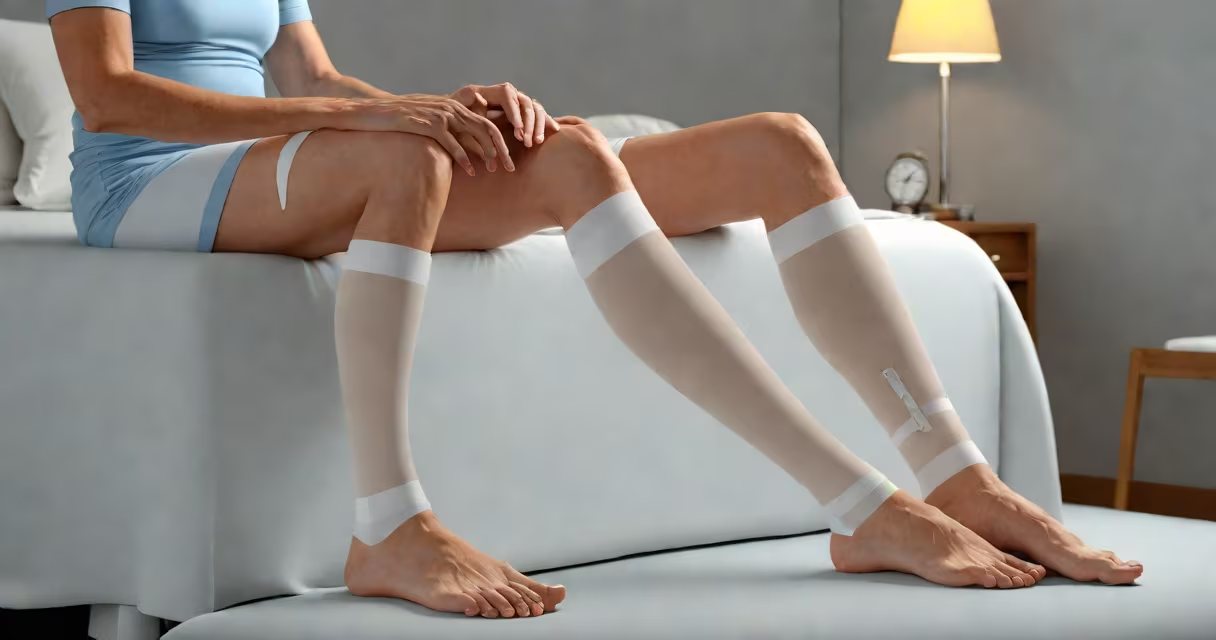
Compression garments apply graduated pressure to the legs and abdomen. They limit blood pooling in the lower extremities. Wearing thigh-high compression stockings during waking hours increases mean arterial pressure by 10-15 mm Hg in upright positions. A 2021 randomized trial showed that 78% of participants reported fewer dizzy spells after using compression wear for four weeks.
When non-drug strategies fail, pharmacologic agents are introduced. Fludrocortisone, a mineralocorticoid, promotes sodium retention and expands blood volume. It is prescribed at 0.1-0.3 mg daily. Side effects include edema, hypokalemia, and supine hypertension. Monitoring electrolytes and blood pressure is essential.
Midodrine, a selective alpha-1 agonist, causes vasoconstriction in peripheral vessels. It is dosed at 2.5-10 mg three times daily, taken at least two hours before bedtime to avoid supine hypertension. The FDA approved midodrine in 2002 based on trials showing a 50% reduction in syncope events compared to placebo.
Droxidopa, a precursor to norepinephrine, is used in neurogenic cases. It crosses the blood-brain barrier and replenishes depleted neurotransmitters involved in vascular tone regulation. A 2019 clinical trial demonstrated that droxidopa improved standing systolic blood pressure by 25 mm Hg over baseline in 68% of patients with diabetic autonomic neuropathy.
| Treatment Type | Typical Dose | Onset Time | Common Side Effects |
|---|---|---|---|
| Fludrocortisone | 0.1-0.3 mg/day | 3-7 days | Edema, low potassium, high blood pressure when lying down |
| Midodrine | 2.5-10 mg TID | 1-2 hours | Supine hypertension, piloerection, dry mouth |
| Droxidopa | 100-200 mg TID | 1 hour | Nausea, headache, increased blood pressure while lying down |
Many assume orthostatic hypotension is simply "low blood pressure." That's incorrect. Blood pressure is often normal or even elevated when lying down. The issue lies in the changing change during posture shift, not the absolute value.
Another misconception is that all treatments require prescription drugs. Non-pharmacological methods are effective for mild cases. A 2020 review in *Journal of the American Geriatrics Society* found that 60% of older adults with mild symptoms improved with hydration, salt, and compression alone.
Some patients believe they should avoid standing altogether. This leads to deconditioning and worsens outcomes. Instead, patients are taught to rise slowly-first sitting up, then waiting 30 seconds before standing. This technique reduces symptom onset by nearly half, according to a 2018 study from the Mayo Clinic.
I observed a 72-year-old man with Parkinson's disease who experienced frequent falls due to dizziness. His standing blood pressure dropped from 130/80 mm Hg to 95/60 mm Hg within 60 seconds of standing. He was advised to increase salt intake to 3 grams per day, drink 2 liters of water daily, and wear compression stockings.
After two weeks, his standing systolic pressure stabilized at 110 mm Hg. He reported no episodes of lightheadedness during daily activities. After six weeks, he began taking midodrine 5 mg twice daily. Within one week, his standing blood pressure rose to 120/75 mm Hg, and he resumed walking unassisted.
Symptoms warrant evaluation if they occur frequently or impair function. Red flags include falling, confusion, chest pain, or palpitations during standing. These may indicate arrhythmias or cardiac issues beyond orthostatic hypotension.
Patients with diabetes should have annual screening for autonomic neuropathy. The American Diabetes Association recommends measuring blood pressure in supine and standing positions during routine visits. Early detection improves long-term outcomes.
For those with persistent symptoms despite lifestyle changes, referral to a neurologist or cardiologist is appropriate. Advanced diagnostics like autonomic reflex testing or tilt-table studies help differentiate between primary and secondary forms.
Long-term management hinges on consistency. Patients who skip fluids or forget to wear compression garments see symptom recurrence. Daily tracking of blood pressure and symptoms using a logbook improves adherence and informs treatment adjustments.
Understanding treatment for orthostatic hypotension involves recognizing it as a changing disorder requiring proactive, layered intervention. Success depends not on a single fix but on sustained behavior change and coordinated care.