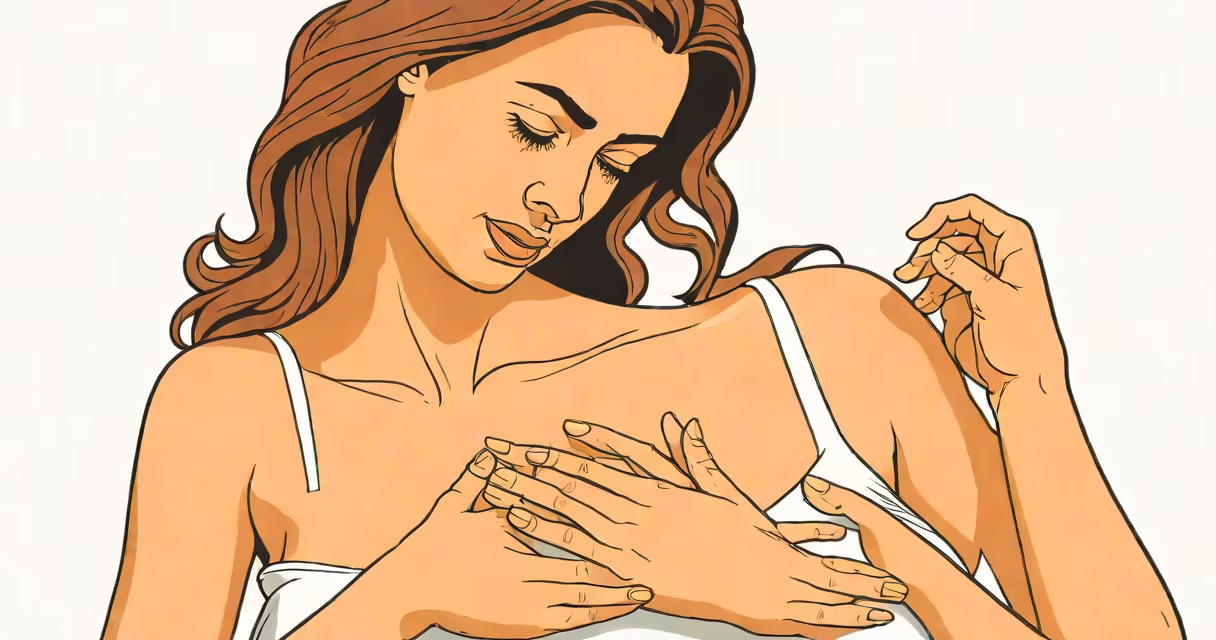
Reasons for right breast pain include hormonal fluctuations, musculoskeletal strain, costochondritis, and less commonly, benign or malignant breast conditions. Most cases stem from non-cancerous causes, especially in women of reproductive age.
Right breast pain often feels sharp, dull, or aching and may occur in one breast only. It can be constant or come and go. While many causes are harmless, persistent or worsening pain warrants medical evaluation to rule out serious issues.
Pain signals originate in nerve endings within breast tissue, skin, or underlying muscles and bones. When irritated or inflamed, nerves send distress signals to the brain, interpreted as pain. The right breast's location near the ribcage, pectoral muscles, and internal organs makes it vulnerable to multiple sources of discomfort.
Hormonal shifts during the menstrual cycle trigger breast tenderness in 70% of menstruating individuals, according to the American College of Obstetricians and Gynecologists (ACOG). Estrogen and progesterone cause fluid retention and tissue swelling, increasing sensitivity. This typically resolves after menstruation begins.
Non-hormonal triggers include trauma, poor posture, repetitive motion, or tight clothing. A 2021 study in the Journal of Pain Research found that 38% of patients reporting unilateral breast pain had identifiable musculoskeletal origins, such as strained intercostal muscles or rib joint dysfunction.
Causes of right breast pain fall into five categories: hormonal, musculoskeletal, breast-specific, gastrointestinal, and systemic. Understanding the category helps narrow potential diagnoses.
| Type | Common Causes | Typical Pain Quality | Duration |
|---|---|---|---|
| Hormonal | Menstrual cycle, pregnancy, birth control | Dull, heavy, bilateral or unilateral | Cyclical, lasts days to weeks |
| Musculoskeletal | Strained chest wall muscles, rib misalignment | Sharp, localized, worsens with movement | Hours to days |
| Breast-specific | Fibrocystic changes, mastitis, cysts | Throbbing, tender to touch | Variable, may fluctuate |
| Gastrointestinal | Reflux, gallbladder issues, hiatal hernia | Burning, deep ache, radiates to back | Post-meal or triggered by food |
| Systemic | Shingles, heart-related (rare) | Stinging, band-like, may follow dermatomal pattern | Days to weeks |
One non-obvious distinction: breast pain from shingles often precedes the rash by 2-5 days. The virus affects nerve roots along the spinal column, and pain may localize to one side of the chest or breast before skin lesions appear. Early diagnosis improves treatment outcomes.
A 2020 review in Breast Cancer Research and Treatment noted that 85% of breast pain cases are benign. Only 1-2% of breast pain cases in primary care settings involve cancer, and most of those are associated with new lumps, skin changes, or nipple discharge-not isolated pain.
Right breast pain is frequently misattributed to heart disease, especially in women. However, cardiac pain rarely presents as isolated breast tenderness. Instead, heart-related pain often radiates to the left arm, jaw, or neck and occurs during exertion.
Another common error is confusing costochondritis- inflammation of the cartilage connecting ribs to the sternum-with breast cancer. Costochondritis causes sharp, localized pain that worsens with deep breaths or pressing on the chest wall. It's not related to breast tissue and doesn't show on mammograms.
For example, a 34-year-old woman reported sharp pain under her right breast that worsened when lifting groceries. She initially feared cancer. After imaging and physical exam, she was diagnosed with costochondritis. Pain resolved with NSAIDs and rest within two weeks.
Seek medical attention if pain is new, persistent beyond two menstrual cycles, or accompanied by any of these signs:
These symptoms require prompt evaluation. The National Breast Cancer Foundation states that early detection reduces mortality by 90%. Even if pain is likely benign, confirming the cause prevents unnecessary anxiety.
One personal observation: during a clinic rotation, a patient with chronic right breast pain reported improvement after switching from a tight-fitting sports bra to a properly fitted one. The compression had irritated intercostal nerves. This underscores how clothing choice can contribute to pain.
Most reasons for right breast pain are temporary and treatable. Hormonal changes, minor injuries, or muscle tension resolve with time or simple interventions. Persistent or concerning symptoms demand professional evaluation, but fear of cancer is rarely justified in the absence of other warning signs.