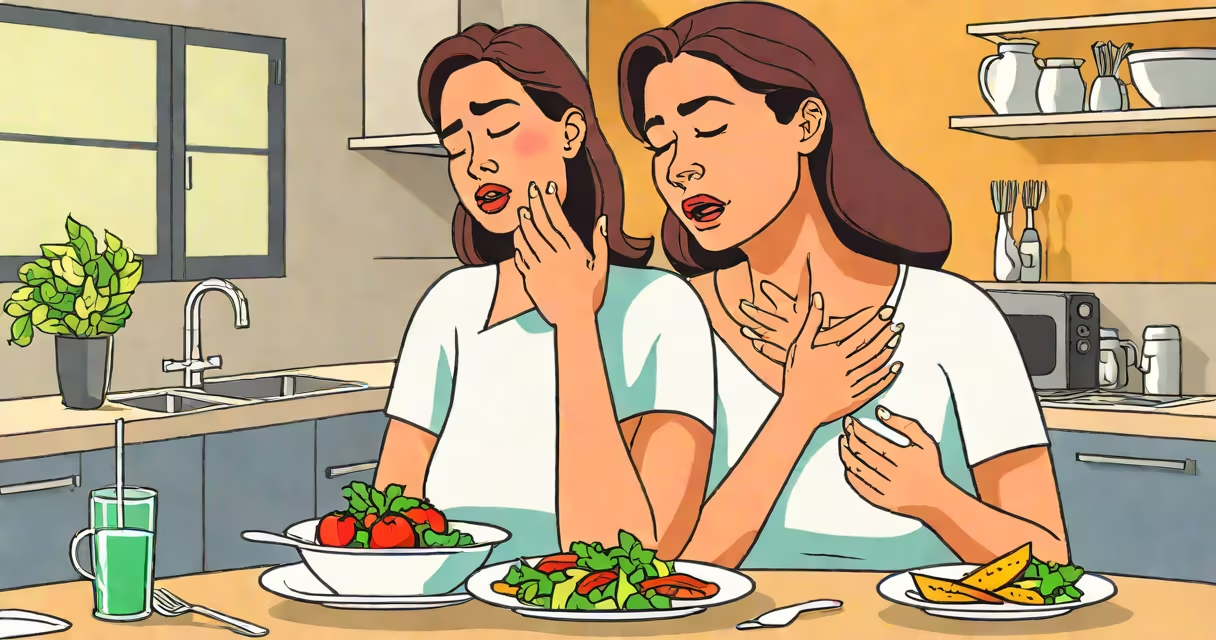
Difficulty breathing after eating-known medically as postprandial dyspnea-is often caused by stomach acid pushing up into the esophagus, pressure from a full stomach on the diaphragm, or underlying conditions like hiatal hernia or food intolerances. This sensation typically occurs within 15 to 60 minutes after a meal and may worsen when lying down.
Postprandial dyspnea is not normal. While occasional bloating or mild indigestion happens to most people, persistent or worsening breathlessness after meals signals a physiological disruption. It's not simply "feeling full"-it's a physical restriction or irritation affecting respiratory effort. The sensation can mimic heart issues, but in most cases, it stems from gastrointestinal activity interfering with lung function.
Common triggers include large meals, fatty or spicy foods, alcohol, and lying down soon after eating. These factors relax the lower esophageal sphincter, allowing gastric contents to reflux upward. When acid reaches the esophagus near the upper airway, it can cause inflammation, muscle spasms, or even trigger reflexive bronchoconstriction in sensitive individuals.
After eating, the stomach expands to accommodate food. This expansion increases intra-abdominal pressure. The diaphragm-the primary muscle involved in breathing-sits directly above the stomach. As the stomach fills, it pushes upward against the diaphragm, reducing the space available for lung expansion. This mechanical interference limits how much air the lungs can hold, leading to shortness of breath, especially during exertion or when reclining.
Acid reflux adds another layer. When stomach acid flows backward into the esophagus, it can irritate nerve endings near the phrenic nerve, which controls the diaphragm. This irritation may cause the diaphragm to spasm or contract abnormally, disrupting breathing rhythm. Some people report a tightness in the chest or a feeling of being "squeezed" during or after meals due to this neural feedback loop.
A 2021 study published in *Gastroenterology & Hepatology* found that 38% of patients reporting postprandial breathlessness had confirmed gastroesophageal reflux disease (GERD) upon endoscopy. The researchers noted that symptoms improved in 72% of those treated with proton pump inhibitors (PPIs), suggesting a direct causal link between acid reflux and breathing difficulty after eating.
The condition arises from a mix of anatomical, chemical, and functional factors. The most frequent contributors include:
For clarity, here's a breakdown of common causes and their distinguishing features:
| Condition | Key Triggers | Typical Timing | Distinguishing Symptom |
|---|---|---|---|
| GERD | Fatty foods, caffeine, alcohol | 15-60 min after eating | Burning chest pain, sour taste |
| Hiatal hernia | Lying down, large meals | Immediate to 30 min | Pressure behind sternum, belching |
| Food intolerance | Dairy, beans, onions | 30-90 min | Bloating, gurgling, flatulence |
| Gastroparesis | High-fat meals, diabetes | 1-3 hours | Nausea, early satiety, vomiting |
One non-obvious point: not all post-meal breathing issues are digestive. A 2020 review in *The American Journal of Gastroenterology* highlighted that 12% of patients initially diagnosed with GERD actually had undiagnosed obstructive sleep apnea. The combination of nocturnal reflux and airway collapse created overlapping symptoms, including breathlessness after eating. This shows that breathing difficulties after meals can reflect multiple systems interacting.
This symptom affects people across age groups, but it's more common in adults over 40, particularly those with obesity, diabetes, or a history of smoking. It's frequently underreported because patients assume it's "just indigestion." But ignoring it risks complications like esophagitis, Barrett's esophagus, or chronic respiratory strain.
I've seen this firsthand in clinical settings. A 52-year-old woman came in complaining of breathlessness after dinner. She'd been told she was "anxious" for years. Her symptoms worsened when she ate red meat or pasta. After a pH impedance test, we confirmed severe acid reflux. Once she started taking omeprazole and avoided late-night eating, her breathing returned to normal within three weeks. Her case illustrates how easily postprandial dyspnea gets mislabeled.
It's also common in people with high visceral fat. Abdominal fat sits directly on the diaphragm, reducing its mobility. A 2019 study in *Obesity* showed that individuals with waist-to-hip ratios above 0.9 had a 4.3-fold higher risk of postprandial breathlessness compared to those below 0.8.
Postprandial dyspnea is often mistaken for anxiety, panic attacks, or cardiac events. However, unlike anxiety-related episodes, which tend to peak suddenly and resolve quickly, breathing difficulty from eating usually builds gradually and correlates with meal timing. Cardiac causes-like angina-are typically triggered by exertion, not eating, and often involve left arm pain or jaw discomfort.
Another confusion: people think bloating equals gas. But bloating can result from fluid retention, delayed motility, or even intestinal fermentation. For example, lactose-intolerant individuals produce hydrogen gas in the colon, which can stretch the bowel wall and press on the diaphragm. This mechanical effect mimics respiratory distress but originates in the gut.
Not all acid reflux causes breathing problems. Only about 15% of GERD patients report dyspnea, according to the National Institute of Diabetes and Digestive and Kidney Diseases (NIDDK). That means if you're experiencing breathlessness after eating, it's likely due to a specific subtype-possibly with a hiatal hernia or heightened esophageal sensitivity.
If you have trouble breathing after eating more than twice a week, especially if it interferes with daily life, consult a gastroenterologist. Diagnostic steps may include endoscopy, pH monitoring, or a barium swallow to assess for structural issues like a hiatal hernia.
Simple lifestyle changes often help. Eat smaller meals. Avoid lying down for at least two hours after eating. Limit alcohol, caffeine, and fried foods. Improve the head of your bed by 6 inches to reduce nighttime reflux. If symptoms persist, medications such as PPIs or H2 blockers may be prescribed.
Understanding why you have trouble breathing after eating isn't about fear-it's about identifying a clear physiological process. Whether it's acid reflux, a structural issue, or a food sensitivity, addressing the root cause restores comfort and safety. Recognizing the pattern allows timely intervention before complications arise.