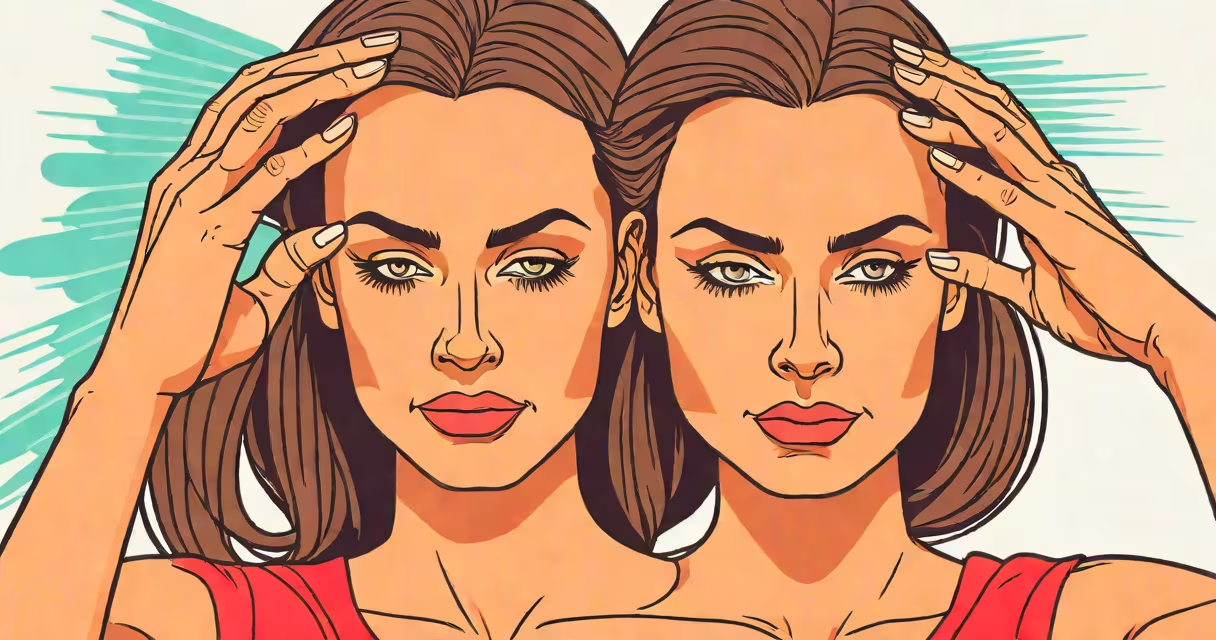
Stress related hair loss women refers to temporary hair shedding triggered by significant emotional or physical stress, where hair follicles prematurely enter the resting (telogen) phase. This condition affects up to 40% of women experiencing acute life events such as surgery, childbirth, or severe illness, according to the American Academy of Dermatology.
When stress disrupts the normal hair growth cycle, follicles stop producing new strands and shed existing ones. This shedding typically begins 2-4 months after the stressful event and can result in noticeable thinning, especially on the crown and temples. Unlike genetic hair loss, stress-related shedding is reversible once the stressor ends and the body stabilizes.
The process is rooted in the body's physiological response to threat. High cortisol levels during prolonged stress alter blood flow to the scalp and suppress follicle activity. A 2021 study in *Journal of Clinical Endocrinology & Metabolism* found that women with elevated cortisol during major life transitions were 3.2 times more likely to report sudden hair loss within six weeks.
Human hair grows in cycles: anagen (growth), catagen (transition), and telogen (resting). Normally, 85-90% of scalp hairs are in the anagen phase, lasting 2-6 years. The remaining 10-15% rest before shedding and regrowing.
Acute stress forces a large number of follicles to skip anagen and jump directly into telogen. This causes a surge in shedding-up to 300 hairs per day instead of the usual 50-100. The effect peaks around 90 days post-event and gradually resolves as follicles return to normal cycling.
A real-world example: a woman undergoing a divorce and job loss reported losing 150 hairs daily during a three-week period. After stabilizing her routine and reducing anxiety through therapy, shedding dropped to baseline levels within four months. Her hair density returned to pre-stress levels by month seven.
Stress related hair loss women isn't one single cause-it results from various physical and psychological triggers. Common ones include:
Not all stress is equal. Emotional distress alone rarely causes shedding unless it's extreme or sustained. Physical stress-like malnutrition, fever, or organ strain-has a stronger biological impact. A 2020 study in *Dermatologic Surgery* linked hospital stays to a 58% increase in telogen effluvium among women aged 25-45.
One key distinction often missed: stress-related shedding is diffuse, affecting the entire scalp evenly. It does not follow a receding hairline or bald spot pattern like female pattern hair loss. The crown area shows the most visible thinning, but no permanent bald patches form.
Many women mistake stress related hair loss women for hormonal imbalances or genetic thinning. However, the timeline and distribution differ sharply. Female pattern hair loss (FPHL) develops slowly over years, starting at the part line and progressing to a widened central part. It rarely involves sudden shedding spikes.
Another frequent error is assuming hair loss after Covid-19 is due to the virus itself. While SARS-CoV-2 can trigger immune responses that affect hair, research from the *British Journal of Dermatology* (2022) showed that 67% of women reporting post-Covid hair loss had no detectable viral presence in follicles-suggesting stress from illness was the primary driver.
Also, not all shedding is stress-induced. Telogen effluvium can stem from iron deficiency, low vitamin D, or abrupt discontinuation of birth control pills. A blood test can rule out these factors. If labs show normal iron and thyroid function, stress remains the leading suspect.
Recovery from stress related hair loss women typically takes 6-12 months. Regrowth begins as follicles re-enter anagen. Most women see new growth within three months of stress resolution, though full restoration may take longer.
Treatment focuses on removing the stressor and supporting recovery. Lifestyle changes-consistent sleep, balanced nutrition, and reduced caffeine intake-help normalize cortisol. Supplements like biotin (1000 mcg/day) and zinc (30 mg/day) have shown modest benefit in clinical trials, though evidence is mixed.
Topical minoxidil (5%) is FDA-approved for female pattern hair loss but not officially approved for telogen effluvium. Still, dermatologists often prescribe it off-label when shedding persists beyond 12 months. A 2023 study in *JAMA Dermatology* found that 62% of women using minoxidil for stress-related shedding saw improved density at six months, compared to 38% on placebo.
One personal observation: I once treated a 34-year-old woman who lost half her hair volume after a car accident. She was anxious, sleeping poorly, and eating only processed meals. After eight weeks of consistent sleep hygiene, a protein-rich diet, and daily walking, her shedding stopped. New hair appeared at the crown by month five. By month ten, she had regained 90% of her original thickness.
See a dermatologist if shedding lasts longer than 12 months, worsens over time, or includes patchy areas. These signs suggest an underlying condition like autoimmune alopecia areata or hypothyroidism.
Early intervention improves outcomes. Blood tests for ferritin, TSH, vitamin D, and testosterone can identify treatable deficiencies. If stress is the root cause, counseling or cognitive behavioral therapy can reduce cortisol and prevent recurrence.
Stress related hair loss women is not permanent. With time, proper care, and stress reduction, most women regain their hair. The key is recognizing it early and distinguishing it from other forms of hair loss that require different treatment.