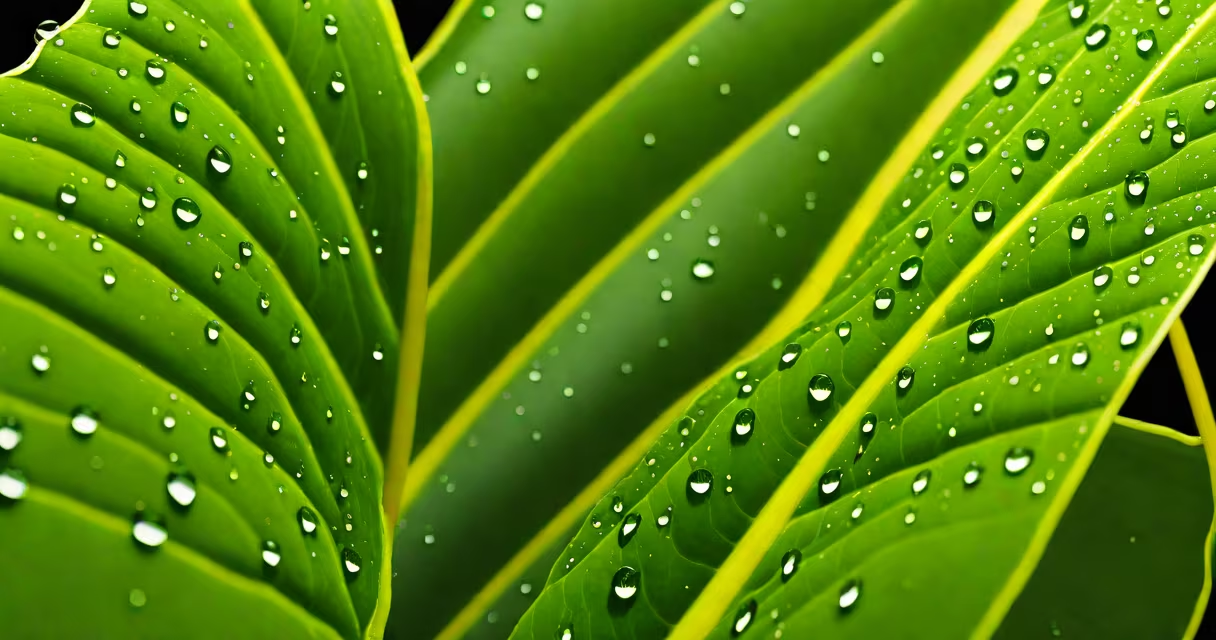
Alocasia plant care involves maintaining consistently moist soil, high humidity (60%+), bright indirect light, and well-draining soil to prevent root rot. These tropical houseplants thrive in warm, humid environments and require careful attention to watering frequency and light exposure.
Alocasias belong to the Araceae family and originate from Southeast Asia and northern Australia. They are known for their dramatic, arrow-shaped leaves and striking patterns. Common species include Alocasia macrorrhizos (giant taro), Alocasia amazonica (African mask), and Alocasia cuprea (copper plant). Their popularity stems from bold foliage and ability to act as focal points in interior spaces.
Despite their ornamental appeal, alocasias are often mismanaged due to confusion between their tropical origins and typical indoor conditions. Unlike succulents, they do not tolerate dry air or infrequent watering. Overwatering leads to root rot, while underwatering causes leaf curling and brown edges. The key is balance: keep soil moist but never soggy.
Alocasias rely on consistent moisture in the root zone. Their thick, fleshy rhizomes store water, but they still need regular hydration. The soil should feel damp to the touch at the surface level, not dry or saturated. Check moisture by inserting a finger 2 inches into the soil. If it feels dry, water thoroughly until excess drains from the pot's bottom.
Light is critical. Alocasias prefer bright, indirect sunlight. Direct sun burns leaves, causing yellow patches and crispy edges. Too little light results in leggy growth and smaller leaves. Place near an east-facing window or 3-5 feet from a south-facing window. Use a light meter to confirm 1,500-3,000 lux during daylight hours-levels common in homes with good natural light.
Humidity is non-negotiable. In nature, alocasias grow in rainforest understories with 70-90% humidity. Indoors, levels drop below 40% in winter. Use a humidifier, pebble tray, or group plants together to maintain 60% or higher. Without adequate humidity, leaf tips turn brown and curl inward.
The foundation of successful alocasia care lies in four components: soil, water, light, and humidity. Each element interacts with the others. For example, poor drainage increases risk of root rot even with correct watering. High humidity reduces evaporation, altering how often you need to water.
Soil composition matters. Alocasias need porous, well-aerated mixes. A standard recipe includes 50% orchid bark, 30% coco coir, and 20% perlite. This blend retains moisture while allowing oxygen to reach roots. Avoid garden soil or dense potting mixes-these compact quickly and suffocate roots.
Water quality also affects health. Tap water contains chlorine and fluoride, which can cause leaf tip burn. Let tap water sit out overnight to off-gas chemicals, or use filtered or distilled water. Rainwater is ideal but not practical for most users.
| Type | Light Needs | Water Frequency | Humidity Level | Common Issues |
|---|---|---|---|---|
| Alocasia amazonica | Bright indirect (1,500-3,000 lux) | Once weekly (check soil) | 60-80% | Yellow leaves from overwatering |
| Alocasia cuprea | Indirect with morning sun | Twice weekly (soil dries slightly) | 70-90% | Brown tips from low humidity |
| Alocasia macrorrhizos | Filtered direct light | Every 5-7 days | 60-70% | Leggy stems from low light |
Alocasias are popular in modern interiors due to their architectural form and visual impact. Interior designers use them to create contrast against minimalist furniture and neutral walls. In offices, they improve air quality-NASA's Clean Air Study found certain aroids reduce indoor pollutants like formaldehyde and benzene.
They're also used in biophilic design, where greenery improves mental focus and reduces stress. A 2021 study published in *Frontiers in Psychology* showed that office workers near live plants reported 15% lower stress levels and 10% higher task performance compared to those without plants.
Homeowners choose alocasias for their seasonal resilience. While many houseplants decline in winter, alocasias adapt well indoors with stable temperatures (65-80°F). They don't go dormant like some species, so maintenance remains consistent year-round.
Alocasia is frequently mistaken for caladium or dieffenbachia due to similar leaf shapes and tropical origins. However, alocasias have thicker, waxy leaves with prominent central veins. Caladiums have thinner, heart-shaped leaves and prefer cooler temps. Dieffenbachia grows taller with larger leaves and tolerates lower light.
Another common error is treating alocasias like succulents. Some assume they need minimal water because of their thick rhizomes. But unlike succulents, alocasias lose turgor quickly when dehydrated. Their leaves wilt within hours of drying out, not days.
One non-obvious fact: alocasias produce calcium oxalate crystals in their sap. These can cause skin irritation and severe mouth pain if ingested. Keep them away from pets and children. The ASPCA lists alocasias as toxic to cats and dogs. Symptoms include drooling, vomiting, and difficulty swallowing.
I purchased an Alocasia 'Black Velvet' in early spring. The plant had dark purple leaves and a single stem. I placed it near a north-facing window with a sheer curtain to diffuse light. The room temperature averaged 72°F, and humidity was 55%.
After two weeks, leaves began curling at the edges. I checked the soil-it was dry 2 inches down. I watered deeply using filtered water, letting excess drain. I added a pebble tray filled with water beneath the pot. Within five days, new growth emerged, and curling stopped.
By month three, I upgraded to a 10-inch pot with a custom mix: 40% orchid bark, 30% coconut coir, 20% perlite, and 10% worm castings. I misted the leaves daily and ran a humidifier at night. The plant grew two new leaves, each 12 inches long, with rich coloration.
This experience confirmed that alocasia plant care demands precision. Small changes-like switching from tap to filtered water-can dramatically affect outcomes. Consistent monitoring prevents issues before they escalate.
Understanding alocasia plant care means respecting their tropical roots. They are not low-maintenance. Success comes from replicating their native environment: warm, moist, shaded forest floor conditions. With proper attention, they reward owners with lush, dramatic foliage and lasting beauty.