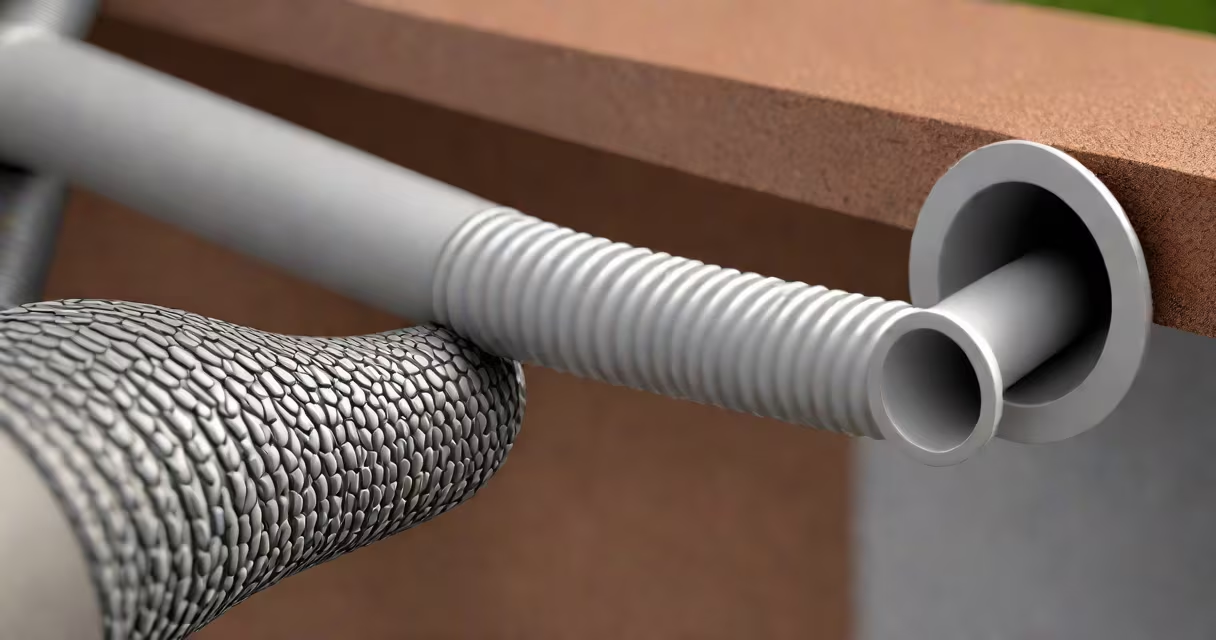
Unblocking a drain pipe outside means clearing a clog in a pipe that carries water from a building's exterior fixtures-like gutters, washing machines, or patio drains-to a sewer or drainage field. The goal is restoring flow to prevent standing water, odors, or structural damage.
Outdoor drain pipes often fail due to debris buildup, tree roots, or freezing conditions. Unlike indoor drains, they're exposed to weather, soil pressure, and organic material. A single clog can cause water to pool near foundations or overflow during rain.
Common causes include leaves in gutter drains, silt accumulation in stormwater lines, and root intrusion in older clay or cast iron pipes. Failure to address these issues leads to property damage, pest infestations, and costly repairs.
Clearing an outdoor drain involves identifying the blockage location, selecting the right tool, and applying mechanical or chemical force to dislodge the obstruction. The process begins with visual inspection and access point verification.
If the clog is near the surface-such as a blocked patio drain-manual tools like a plunger or drain snake may suffice. For deeper or inaccessible clogs, a flexible drain auger (also called a plumbing snake) is inserted through a cleanout port or access cover. Rotating the snake pushes through debris until resistance gives way.
For persistent root intrusions, hydro-jetting uses high-pressure water (up to 4,000 psi) to cut through roots and flush out residue. This method requires professional equipment but clears entire pipe sections effectively. Chemical cleaners can dissolve grease or organic matter but risk damaging pipes and harming nearby plants.
Effective unblocking depends on matching the tool to the blockage type. Here's a breakdown of standard options:
| Type | Best For | Effectiveness | Limitations |
|---|---|---|---|
| Plunger | Shallow clogs in visible drains | High (for surface-level blockages) | Fails if pipe is below ground or partially blocked |
| Hand-held drain snake | Debris in PVC or metal pipes up to 25 ft | Medium-high | Manual effort required; limited reach |
| Electric drain auger | Deep clogs, root infiltration | Very high | Expensive; requires training |
| Hydro-jet system | Severe blockages, root growth, sediment | Maximum | Professional use only; high water pressure risks pipe damage |
| Enzyme-based cleaners | Preventive maintenance, organic sludge | Low to medium (long-term use) | Doesn't remove hard blockages; slow action |
Always wear gloves and eye protection when handling chemicals or removing debris. Avoid using caustic drain cleaners on plastic or older metal pipes-they can degrade joints or cause leaks.
Outdoor drain systems serve homes, garages, patios, and commercial buildings. They manage rainwater runoff, appliance discharge, and field irrigation. When blocked, they compromise safety and infrastructure.
A blocked gutter drain can lead to basement flooding. A clogged patio drain causes puddling, which attracts mosquitoes and weakens concrete. A failed storm drain under a driveway can erode subgrade soil, leading to cracks and sinkholes.
According to the Environmental Protection Agency (EPA), improper drainage contributes to 30% of residential foundation failures in areas with heavy rainfall. The National Association of Home Builders (NAHB) reports that 60% of outdoor drain issues stem from root intrusion in aging piping systems.
Many homeowners assume that pouring boiling water down a drain clears a blockage. This works only for minor soap scum in kitchen sinks. Boiling water damages PVC pipes and can melt insulation around metal lines. It also fails against solid obstructions like roots or compacted debris.
Another error is using excessive chemical drain cleaner. These products generate heat and gas that can corrode pipe joints, especially in older systems. The EPA warns that repeated use of sodium hydroxide-based cleaners can reduce pipe lifespan by up to 40%.
Some believe that a single flush of water proves the drain is clear. But flow tests don't detect partial blockages. A drain may pass water slowly but still allow sediment to accumulate over time. A proper test involves running 10 gallons of water through the system and observing the exit rate.
In a suburban home in Portland, Oregon, a homeowner noticed water pooling near a patio after rain. The drain had no visible blockage, but water backed up within 3 minutes of flow. An inspection revealed a 3-inch diameter clay pipe with extensive root infiltration.
The solution involved renting an electric drain snake with a 25-foot cable. After inserting the auger through a cleanout access point, the operator encountered resistance at 18 feet. Rotating the cable broke through a mass of roots. The snake was pulled back, bringing out fibrous debris.
After clearing the line, the homeowner ran a 15-minute flush with a garden hose. Water drained completely in under 2 minutes. A follow-up inspection six weeks later showed no recurrence. The cost: $45 for rental and $10 for disposal bags.
This case illustrates that even hidden clogs require physical intervention. Chemicals alone would have failed. The presence of roots necessitated mechanical removal.
Unblock drain pipe outside becomes a job for a licensed plumber when:
Professionals use video inspection cameras to map blockages and assess pipe integrity. A 2022 study by the Plumbing-Heating-Cooling Contractors Association (PHCC) found that 78% of outdoor drain failures were misdiagnosed initially due to lack of camera access.
For routine maintenance, inspect outdoor drains twice a year-once before winter and once after spring thaw. Clean out debris from grates and check for standing water. Preventive care reduces emergency repairs by up to 60%, according to the American Society of Civil Engineers (ASCE).