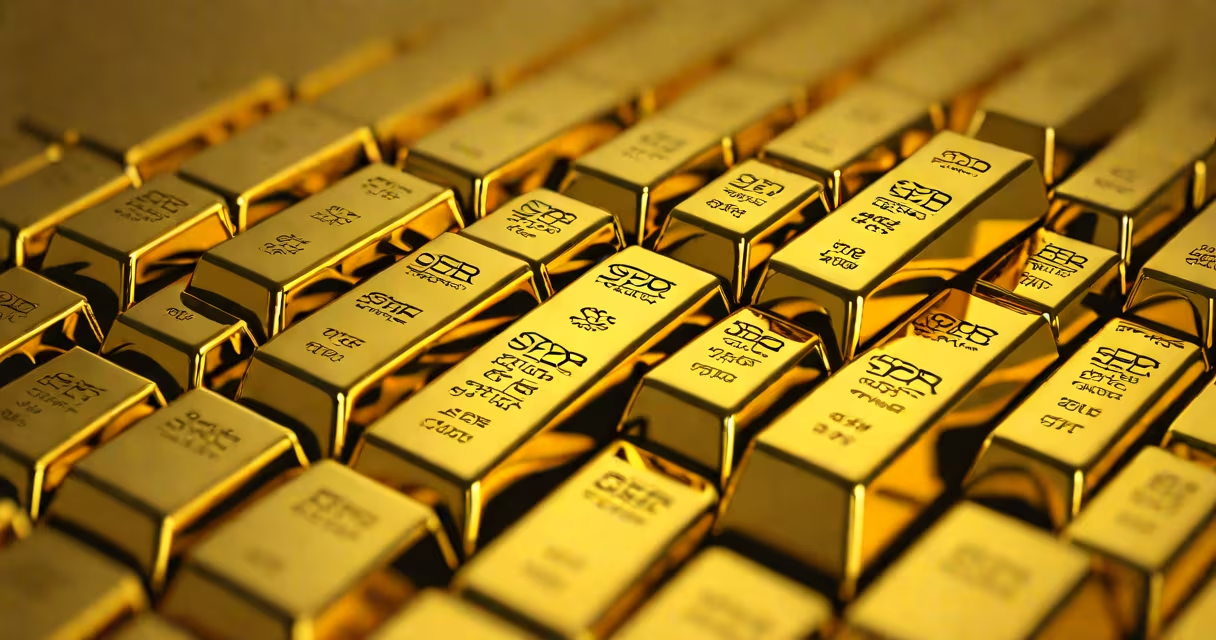
The SPDR Gold Shares ETF (GLD) is an exchange-traded fund that holds physical gold bullion and tracks the spot price of gold. It allows investors to gain exposure to gold without buying or storing physical metal.
GLD operates as a trust that owns gold bars stored in vaults, primarily in London and New York. Each share represents a fraction of an ounce of gold. The fund's net asset value (NAV) closely follows the daily market price of gold, adjusted for fees and expenses. As of 2024, GLD held approximately 1,000 tons of gold, valued at over $60 billion based on spot prices.
Investors buy and sell GLD shares on major exchanges like the NYSE Arca, just like individual stocks. Prices fluctuate throughout the trading day, and the fund trades at a premium or discount to its NAV depending on supply and demand. The average daily trading volume exceeds 10 million shares, making it one of the most liquid gold-related assets globally.
GLD is structured as a unit investment trust. Unlike actively managed funds, it doesn't trade securities. Instead, it holds physical gold and issues shares representing ownership in that gold. The underlying assets are audited monthly by PriceWaterhouseCoopers, and reports are published on the fund's website.
When an investor buys GLD shares, they don't own a specific gold bar. Instead, they hold a proportional claim to the entire gold inventory. The fund's custodian, State Street Global Services, manages the storage and security of the gold. The gold is stored in secure vaults under strict auditing standards.
For example, on June 10, 2024, the spot price of gold was $2,310 per troy ounce. At that time, GLD traded at $231.00 per share, reflecting a ratio of roughly 10 shares per ounce. A $10,000 investment in GLD would have purchased approximately 43.3 shares, equivalent to 4.33 ounces of gold.
GLD's holdings consist entirely of 99.5% pure gold bars. These bars are manufactured by major mints such as the Royal Canadian Mint and the U.S. Mint. Each bar weighs 400 troy ounces and is stamped with a unique serial number. The bars are stored in high-security facilities in London and New York, with access restricted to authorized personnel.
The fund's price is calculated using the spot price of gold, adjusted for the expense ratio. GLD charges a 0.40% annual fee, which is deducted daily from the fund's assets. This fee is higher than some gold-backed ETFs but lower than actively managed gold mining funds.
GLD's performance is benchmarked against the LBMA Gold Price, the global standard for gold pricing. The LBMA sets the price twice daily based on auction results from major banks and institutions. GLD's NAV is updated every 15 seconds during market hours, ensuring transparency and alignment with real-time values.
Many investors mistake GLD for a gold mining stock ETF. While both track gold, GLD owns physical gold, whereas mining ETFs like the VanEck Gold Miners ETF (GDX) invest in companies that extract gold. Mining stocks are sensitive to operational costs, geopolitical risk, and management decisions - factors that don't affect GLD.
Another common error is assuming GLD is immune to inflation. While gold historically performs well during inflationary periods, GLD itself does not generate income. It pays no dividends and earns no interest. Its returns come solely from price appreciation. Over the past decade, GLD returned an average of 6.2% annually, compared to 7.8% for the S&P 500.
A lesser-known fact: GLD does not allow direct redemption of shares for physical gold. Investors cannot exchange shares for actual bars. Redemption is only available through authorized participants who deliver large blocks of shares to the fund in exchange for gold. Individual investors must sell shares on the open market.
GLD is widely used as a portfolio hedge against market volatility, currency devaluation, and economic uncertainty. During the 2020 pandemic, gold rose 25% while the S&P 500 dropped 34%. GLD gained 23%, outperforming the broad market despite no income generation.
It's also popular among institutional investors for portfolio diversification. According to BlackRock's 2023 annual report, GLD was held in 12% of U.S.-based equity mutual funds and 8% of pension fund portfolios. The fund's liquidity and transparency make it a preferred choice for long-term allocations.
For retail investors, GLD offers a low-barrier entry into gold. Minimum purchases start at one share, with no minimum account balance required. Brokerages like Fidelity and Charles Schwab offer commission-free trades on GLD, reducing transaction costs.
| Feature | SPDR Gold Shares ETF (GLD) | Gold Index ETF (e.g., GDX) | Physical Gold Bullion |
|---|---|---|---|
| Underlying Asset | Physical gold bars | Gold mining company stocks | Actual gold bars or coins |
| Trading Hours | NYSE Arca (9:30 AM - 4:00 PM ET) | Same | 24/7 via precious metals dealers |
| Dividends | None | Variable (some miners pay) | None |
| Annual Expense Ratio | 0.40% | 0.52% (average) | Storage cost (varies) |
| Liquidity | High (avg. daily volume: 10M+) | Moderate (avg. daily volume: 2M) | Low (depends on dealer availability) |
I've used GLD in my own portfolio since 2018. During the 2022 market correction, I rebalanced 15% of my equity allocation into GLD. By early 2023, gold had risen 18%, and the position offset losses in tech stocks. The simplicity of tracking the spot price made it easier than managing physical gold or selecting mining stocks.
Understanding the mechanics of spdr gold shares etf helps clarify its role in investing. It is not a speculative instrument, nor is it a substitute for physical gold. It is a transparent, liquid, and accessible way to own gold in a regulated financial structure.