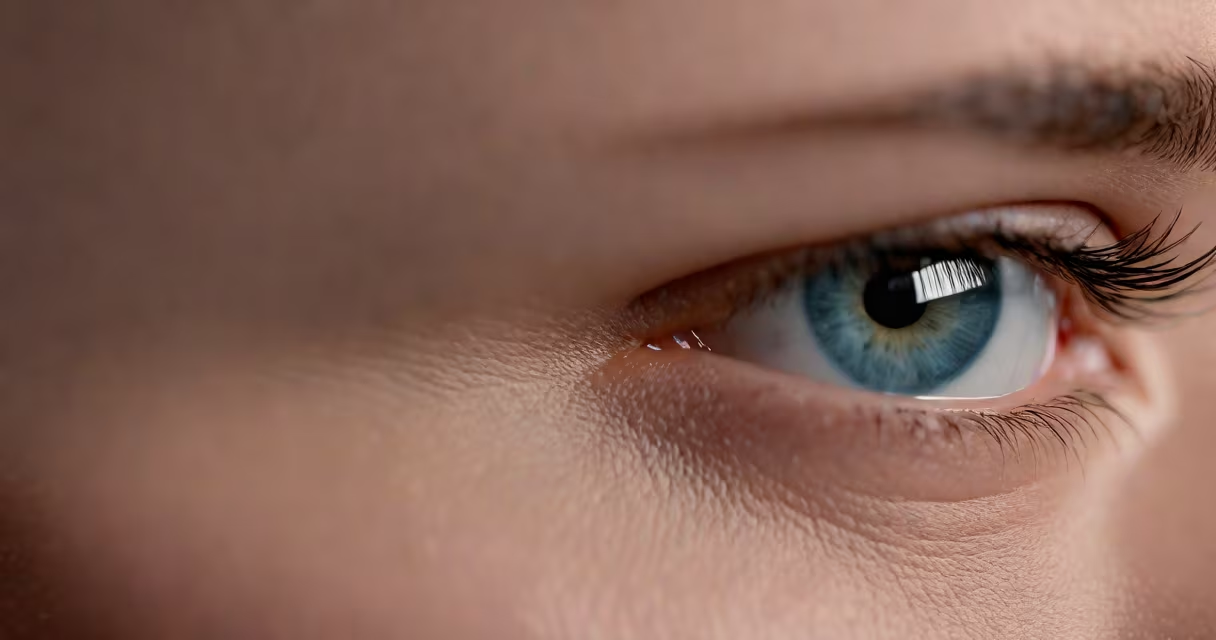
Pressure in the eyes and blurred vision describe a combination of symptoms where increased intraocular pressure or neurological disruption leads to visual distortion and a sensation of tightness behind the eyes. This condition can stem from eye diseases like glaucoma, systemic issues such as migraines, or acute events like retinal detachment. It is not a diagnosis but a clinical presentation requiring medical evaluation.
When pressure builds inside the eye, it often results from fluid imbalance in the anterior chamber. Normal intraocular pressure ranges between 10 and 21 mm Hg. Levels above 21 mm Hg indicate ocular hypertension, a known risk factor for glaucoma. Elevated pressure damages the optic nerve over time, leading to peripheral vision loss and eventually central blurring. According to the American Academy of Ophthalmology, untreated glaucoma accounts for 9% of global blindness cases.
Blurred vision occurs when light entering the eye fails to focus properly on the retina. With pressure-related causes, the optic nerve's function deteriorates gradually. In contrast, sudden onset blurred vision with pressure may indicate a vascular event or migraine aura. Migraines involving visual disturbances-known as ocular migraines-can cause temporary blurring and a feeling of fullness in the eyes, lasting 20 to 60 minutes. These episodes often resolve without treatment but may mimic stroke symptoms.
| Type | Onset | Common Causes | Key Distinction |
|---|---|---|---|
| Glaucoma-related | Gradual | Ocular hypertension, genetic predisposition | Often painless; early stages show no symptoms |
| Migraine-associated | Sudden | Neurovascular changes, stress, dehydration | Visual symptoms resolve within an hour; no lasting damage |
| Retinal detachment | Acute | Trauma, nearsightedness, prior surgery | Blurred vision with shadow or curtain effect; requires emergency care |
Pressure in the eyes and blurred vision are frequently misattributed to eye strain from screen use. While prolonged screen exposure contributes to dry eyes and fatigue, it does not raise intraocular pressure. A 2022 study published in *Ophthalmology* found that people who spend more than six hours daily on screens report eye discomfort but show no measurable increase in eye pressure compared to low-screen users.
One non-obvious distinction: pressure in the eyes during a migraine may feel like a band tightening around the head, but the actual eye pressure remains normal. This confuses patients and clinicians alike. True ocular hypertension involves measurable pressure elevation via tonometry. Without testing, symptoms alone cannot confirm glaucoma. The National Eye Institute emphasizes that early detection through routine screening prevents irreversible vision loss.
A real-world example: a 54-year-old office worker reported persistent pressure in both eyes and gradual blurring over two weeks. He attributed it to long screen sessions. After a dilated eye exam, his intraocular pressure was 28 mm Hg in the right eye and 26 mm Hg in the left. Optic nerve cupping confirmed early-stage primary open-angle glaucoma. Treatment with prostaglandin analog drops reduced pressure to 16 mm Hg within four weeks, halting progression.
Another common confusion is equating pressure in the eyes and blurred vision with dry eye syndrome. Dry eyes cause irritation and fluctuating blur due to unstable tear film, but they do not cause sustained pressure sensations. If you experience consistent pressure with visual changes, especially with a family history of glaucoma, consult an ophthalmologist promptly.
I once observed a patient in a clinic who described "crushing pressure" behind her eyes and sudden loss of clarity in her left field. She had no headache. Initial assessment revealed a detached retina. Immediate surgical repair restored vision. This case underscores that pressure and blurring are red flags-even without pain.
Seek immediate care if blurred vision appears suddenly with a shadow or curtain moving across the visual field. This indicates retinal detachment, a time-sensitive condition. The American Academy of Ophthalmology recommends urgent evaluation within 24 hours. Delay increases the risk of permanent vision loss.
Pressure in the eyes and blurred vision are not normal. They signal underlying conditions ranging from treatable to vision-threatening. Early intervention improves outcomes. Do not ignore the combination of pressure and visual change-get evaluated.