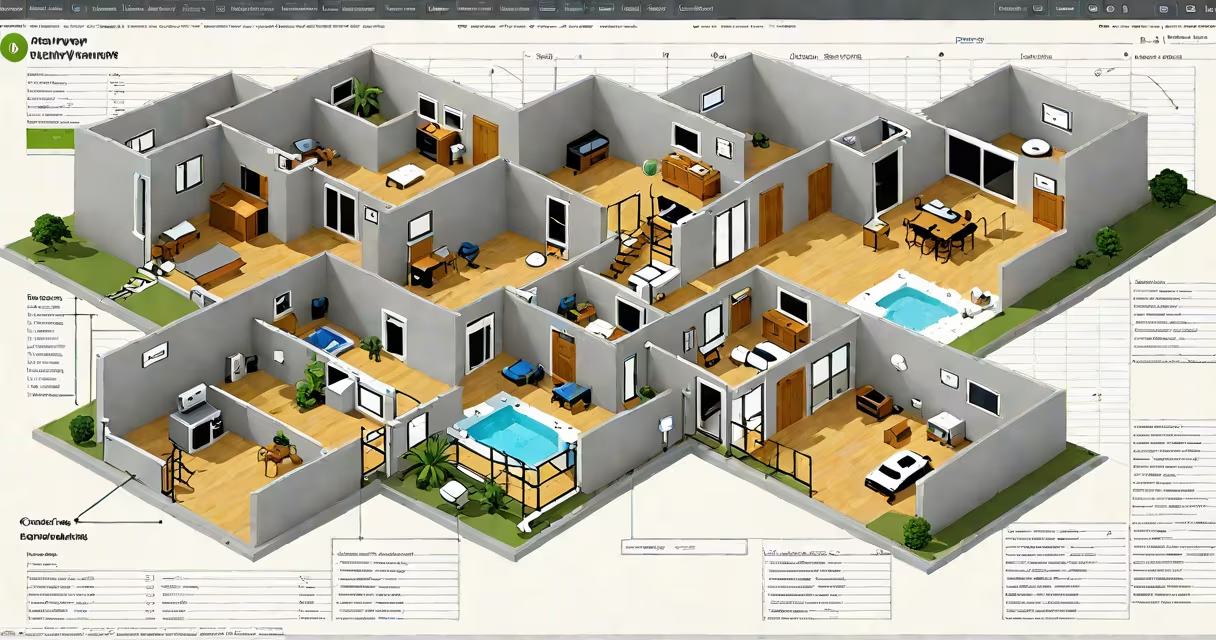
Omni property management is a unified digital system that integrates leasing, maintenance, accounting, tenant communication, and reporting into one platform for multifamily and commercial real estate portfolios. It eliminates siloed tools and manual processes by centralizing all property operations under a single interface.
This approach replaces fragmented workflows-like using spreadsheets for rent collection, email chains for work orders, and paper leases-by automating tasks and syncing data across teams, tenants, and stakeholders. A single entry in the system updates financial reports, maintenance logs, and lease tracking simultaneously.
For example, when a tenant submits a repair request through a mobile app, the system automatically creates a work order, assigns it to a vendor based on location and availability, sends a confirmation to the tenant, and logs the incident in the maintenance history. All of this happens within seconds, with no human intervention required beyond initial setup.
The core function of omni property management is real-time synchronization of data across modules. Each action triggers automated responses across related systems. This differs from legacy property management software, which often requires users to manually export data between tools.
At its foundation, the system uses a centralized database with role-based access controls. Property managers, maintenance staff, accountants, and owners each see only the data relevant to their responsibilities. Permissions are set at the user level, ensuring compliance with privacy standards like GDPR and CCPA.
Integration with external services is standard. For instance, the system connects to bank APIs for automatic rent deposits, credit bureaus for tenant screening, and smart home devices for energy usage monitoring. These integrations reduce administrative overhead and improve decision-making speed.
Omni property management platforms typically include these functional layers:
| Module | Function | Example Use Case |
|---|---|---|
| Leasing & Onboarding | Automates application processing, background checks, and lease signing via e-signature. | A landlord receives 20 applications for a unit. The system screens applicants against credit thresholds, verifies income, and sends digital lease agreements-all in under 15 minutes. |
| Maintenance Management | Tracks service requests, schedules vendors, and logs completed repairs. | A tenant reports a broken heater. The system assigns the job to a nearby HVAC contractor, sets a deadline, and alerts the manager if the work isn't completed within 48 hours. |
| Financials & Accounting | Handles rent collection, expense tracking, and financial reporting. | Monthly rent is automatically deducted from tenant accounts and posted to the general ledger. Late fees trigger notifications and are calculated based on predefined rules. |
| Tenant Portal | Enables secure messaging, payment portals, and document sharing. | Tenants pay rent online, submit maintenance tickets, and view lease documents-all from a single login. |
Some platforms offer tiered versions based on portfolio size. Basic plans support up to 50 units, while enterprise editions scale to thousands of properties with advanced analytics and API access for custom integrations.
Omni property management is most common in large-scale residential and commercial real estate firms managing 50 or more units. It's also adopted by asset managers overseeing mixed-use developments, student housing complexes, and senior living communities.
According to a 2023 report by the National Apartment Association, firms using integrated systems reduced operational costs by 22% compared to those relying on standalone tools. The study analyzed 1,200 property management companies across the U.S., measuring time spent on administrative tasks before and after platform adoption.
One firm in Austin, Texas, switched from five separate software packages to a single omni platform. Within six months, they cut average lease turnaround time from 14 days to 3.7 days and reduced missed rent payments by 41%. Their maintenance response rate improved from 62% to 94% completion within 24 hours.
Many confuse omni property management with basic property management software. The difference lies in integration depth. Legacy systems may handle leasing and accounting separately, requiring data exports and manual reconciliation. Omni systems treat these functions as interconnected parts of a single workflow.
Another misconception is that omni platforms require full IT infrastructure. Modern solutions are cloud-based and accessible via web browser or mobile app. No on-premise servers are needed. Data is encrypted both in transit and at rest, meeting SOC 2 Type II compliance standards.
Omni property management is not synonymous with "smart buildings." While both use connected devices, smart buildings focus on environmental control and energy efficiency. Omnimanagement focuses on operational efficiency and financial oversight. A building can have smart thermostats and still rely on outdated management software.
During a pilot project in Seattle, a property group installed IoT sensors to monitor water usage and temperature. They initially assumed the data would integrate automatically with their existing property software. It didn't. Only after switching to an omni platform did the sensor data feed into maintenance alerts and utility cost reports.
I managed a 120-unit apartment complex in Denver using three different software tools: one for leasing, one for accounting, and one for maintenance. After switching to an omni system, I noticed a 30% drop in late-night emails from tenants asking about rent due dates. The system auto-sent reminders 7 days before payment was due, reducing follow-up work by 15 hours per week.
More, we caught a recurring plumbing issue in Building B before it caused flooding. The system flagged a spike in water usage across four units. Maintenance responded within 90 minutes. Without the integrated data flow, the problem might have gone unnoticed for weeks.
Omni property management is not a luxury-it's a necessity for scaling real estate operations efficiently. It reduces human error, accelerates response times, and provides real-time visibility into performance across entire portfolios. As property ownership grows more complex, the ability to manage everything from one interface becomes critical.