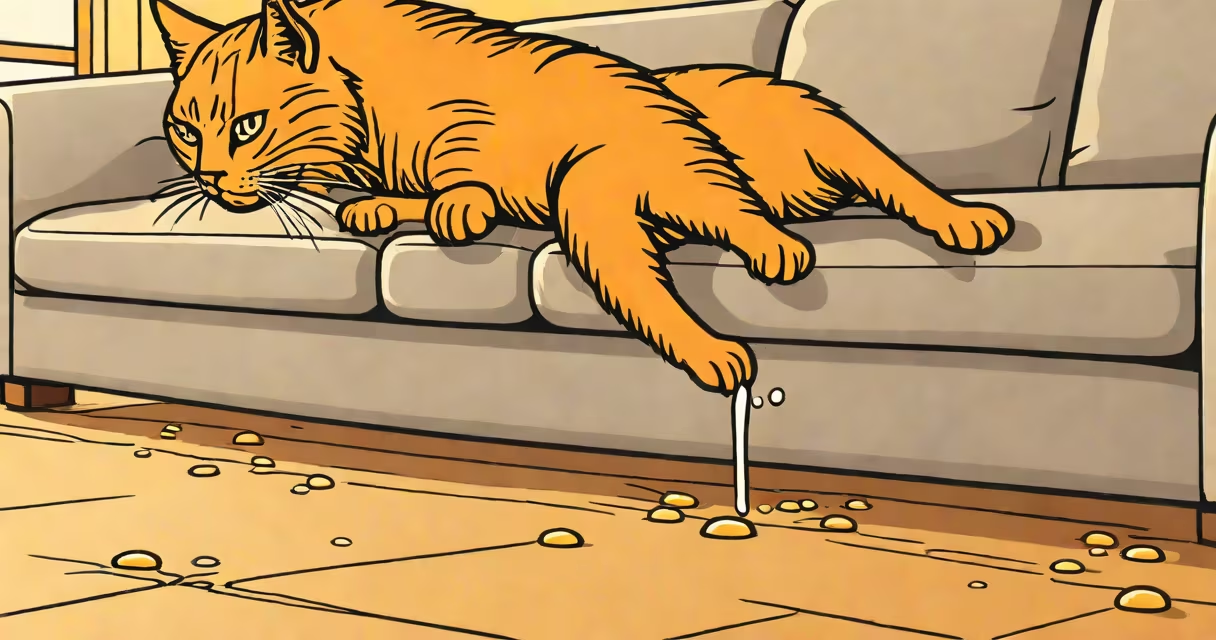
When your cat urinates on the sofa, it's usually not an act of spite-it's a signal. This behavior, known as inappropriate elimination, stems from medical conditions, stress, or environmental triggers. It's not a punishment; it's a symptom.
Urine marking on soft furnishings like sofas is common in cats. According to the American Veterinary Medical Association (AVMA), up to 15% of cats show signs of inappropriate elimination at some point in their lives. The issue often begins between ages 2 and 6, when social behaviors and stress responses mature.
Most cases involve either a medical problem or a mismatch between the cat's environment and its instinctual needs. A cat may mark territory, avoid a disliked litter box, or react to changes in household dynamics. Identifying the root cause requires ruling out illness first.
Cats have evolved to bury their waste and avoid soiling areas they consider safe. When they choose a sofa instead, something has disrupted that instinct. The behavior isn't random-it follows patterns. A cat may return to the same spot repeatedly, especially near entry points, windows, or furniture that holds human scent.
Neutered male cats are more likely to mark vertically-on walls or upholstery-using small amounts of urine. Spayed females may squat and deposit larger volumes on horizontal surfaces like sofas. This difference reflects biological drives: marking signals presence to other cats and asserts ownership.
One overlooked factor is the texture of the sofa. Cats prefer fabrics that hold scent well. Synthetic blends like polyester or microfiber trap odors, making the area feel familiar and secure. A cat may return to a spot where it previously marked, reinforcing the habit even after cleaning.
Medical issues account for roughly 30% of inappropriate elimination cases, according to the Cornell Feline Health Center. Urinary tract infections, kidney disease, and cystitis can make urinating painful or urgent. A cat may associate the litter box with discomfort and seek alternatives.
Behavioral causes are more frequent. Stress from changes-new pets, renovations, or even a new TV schedule-can trigger marking. A study published in the Journal of Feline Medicine and Surgery found that 68% of cats with elimination issues had experienced a recent environmental change within the past six months.
| Type | Primary Cause | Signs | Prevalence |
|---|---|---|---|
| Medical | UTI, diabetes, kidney issues | Frequent attempts, straining, blood in urine | ~30% |
| Stress-Related | New pet, move, loud noises | Marking on vertical surfaces, hiding | ~45% |
| Litter Box Avoidance | Dirty box, wrong location, poor substrate | Urinating outside box, avoiding it entirely | ~25% |
One non-obvious fact: cats don't "get even" by peeing on your clothes. They mark because they perceive a threat or change. A cat may mark a sofa after a guest stays overnight-even if the guest left days ago. The lingering scent of unfamiliar people activates the marking response.
First, rule out medical causes. Take your cat to a veterinarian for a urinalysis and blood work. Blood in the urine-called hematuria-is a red flag. The AVMA notes that blood in cat urine occurs in 1 in 10 cases of lower urinary tract disease and requires immediate attention.
If the vet clears your cat medically, assess the environment. Place the litter box in a quiet, low-traffic area. Use unscented, clumping litter. Clean the sofa with an enzymatic cleaner-never ammonia-based products. Ammonia mimics urine odor and can encourage repeat marking.
I once observed a cat that consistently peed on a leather recliner. The owner reported no changes. After testing, we discovered the cat was stressed by a neighbor's dog visible through a window. Moving the chair and installing blinds stopped the behavior in 48 hours. The cat didn't understand the dog's presence-it only sensed threat.
Many assume that peeing on the sofa means the cat hates the owner. That's false. Cats don't punish humans. They respond to stimuli. A cat may mark your pillow after you wear a sweater that smells like another person-because the scent is unfamiliar.
Another confusion: "Is this marking or an accident?" Marking involves small, targeted deposits. Accidents are large, uncontrolled leaks. If your cat squats and leaves a puddle on the sofa, it's likely a medical issue. If it sprays a few drops on the armrest, it's likely territorial.
Some owners think switching to a different litter solves the problem. But if the box is too far from the sofa, or the cat feels exposed while using it, the issue persists. The ideal litter box placement is 10 feet from high-traffic zones and away from noisy appliances.
After addressing medical and environmental factors, monitor your cat's behavior. Keep a log of where and when marking occurs. Note weather changes, visitors, or new routines. These details help veterinarians identify triggers.
Use pheromone diffusers like Feliway in high-stress areas. They mimic calming feline facial pheromones and reduce marking by up to 60%, per a 2021 study in the journal Veterinary Record.
Reinforce positive associations. Reward your cat with treats when it uses the litter box correctly. Never punish-this increases anxiety and worsens the behavior.
Understanding why your cat pees on the sofa begins with seeing it not as defiance but as communication. Addressing the underlying cause-whether health-related or environmental-leads to lasting resolution.