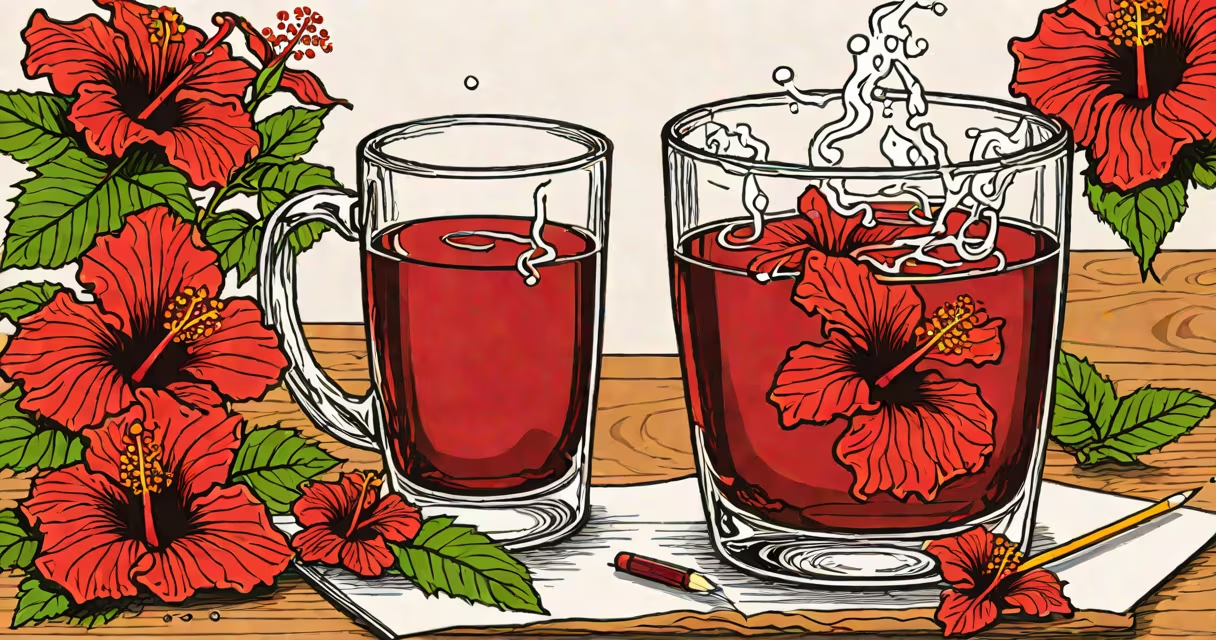
Hibiscus tea is a herbal infusion made from dried calyces of the Hibiscus sabdariffa plant, known for its tart flavor and deep red color. It's consumed globally for its potential health benefits and cultural significance, particularly in West Africa, the Middle East, and parts of Latin America.
The tea is prepared by steeping dried hibiscus flower parts in hot water. It contains organic acids like citric and malic acid, anthocyanins responsible for its color, and flavonoids such as quercetin. These compounds contribute to its antioxidant and anti-inflammatory properties. The drink is naturally caffeine-free and low in calories, making it a popular alternative to black or green tea.
Consumption patterns vary widely. In Mexico, it's called *agua de jamaica* and served cold during summer. In Nigeria, it's traditionally brewed warm and offered during social gatherings. In the U.S., it's often sold as a bottled beverage or in tea bags. Its popularity stems from perceived wellness advantages, though scientific evidence varies in strength and consistency.
Hibiscus tea exerts biological effects primarily through its high concentration of polyphenols. Anthocyanins, especially delphinidin, have demonstrated free radical scavenging activity in vitro. A 2014 study published in the journal *Phytomedicine* found that daily consumption of hibiscus tea reduced systolic blood pressure by an average of 7 mmHg in adults with mild hypertension over six weeks.
Animal models show that hibiscus extract may improve insulin sensitivity. A 2017 study in *Nutrition Research* reported that diabetic rats fed hibiscus extract had lower fasting glucose levels and improved lipid profiles. However, human trials remain limited in duration and sample size. Most positive outcomes come from short-term studies lasting four to eight weeks.
Metabolic pathways suggest that hibiscus components influence nitric oxide production, which helps relax blood vessels. This mechanism aligns with the observed blood pressure-lowering effect. The tea also appears to modulate gut microbiota in preliminary research, though findings are inconsistent across populations.
Multiple clinical trials support hibiscus tea's role in lowering blood pressure. A 2010 randomized controlled trial in *Journal of Human Hypertension* showed that participants drinking three cups daily for six weeks experienced a significant drop in both systolic and diastolic readings compared to placebo groups. The effect was most pronounced in individuals with baseline hypertension.
Weight management is another area of interest. A 2013 study in *Obesity* found that obese women who drank hibiscus tea twice daily for six weeks lost more visceral fat than those in the control group. Researchers attributed this to increased thermogenesis and reduced appetite, though the exact compound responsible remains unidentified.
Antioxidant capacity is measurable via ORAC (Oxygen Radical Absorbance Capacity) scores. Hibiscus tea ranks at approximately 1,200 μmol TE/100g, comparable to green tea and higher than many fruit juices. This suggests protective effects against oxidative stress, a factor in aging and chronic disease development.
Despite its benefits, hibiscus tea can interfere with certain medications. It may improve the effects of antihypertensive drugs, increasing the risk of hypotension. Patients on ACE inhibitors or beta-blockers should monitor blood pressure closely when consuming hibiscus tea regularly.
There is evidence of hepatotoxicity in animal models. A 2016 study in *Food and Chemical Toxicology* reported elevated liver enzymes in mice fed high doses of hibiscus extract over 90 days. While human equivalents are unclear, caution is advised for people with pre-existing liver conditions.
Pregnancy is a major concern. Animal studies indicate that hibiscus may induce uterine contractions and reduce fertility. The FDA classifies hibiscus as a potential abortifacient based on rodent data. Women who are pregnant or trying to conceive should avoid regular intake.
| Benefit | Supporting Evidence | Typical Dose |
|---|---|---|
| Reduces systolic BP | Randomized trial (n=60), 6 weeks, 3 cups/day | 150 mL per cup, 3x daily |
| Improves insulin sensitivity | Animal model, 2017 study in *Nutrition Research* | 1 g/kg body weight in rodents |
| High antioxidant content | ORAC value: 1,200 μmol TE/100g | Varies by brand and brewing time |
Many assume hibiscus tea is safe because it's "natural." That assumption is incorrect. Natural does not equal harmless. The term "herbal" implies plant origin but not safety. Some users report dizziness or nausea after consuming large volumes, likely due to high acidity and osmotic effects on the gastrointestinal tract.
A common confusion is equating hibiscus tea with hibiscus-based supplements. Supplements often contain concentrated extracts and standardized dosages, whereas teas vary in potency. One brand's tea may deliver 100 mg of anthocyanins per serving; another may deliver less than 20 mg. Label reading is essential.
Another misconception is that hibiscus tea aids weight loss independently. While some studies show modest fat reduction, results are not consistent across populations. The effect is likely synergistic with diet and exercise, not standalone.
To prepare hibiscus tea, use 1 tablespoon of dried calyces per 8 ounces of boiling water. Steep for 5 to 10 minutes. Strain and serve hot or chilled. For a sweeter taste, add honey or stevia-avoid sugar to preserve health benefits.
I brewed a batch using 10 grams of dried hibiscus and 500 mL of water at 95°C. After 8 minutes, the liquid turned deep burgundy. The pH measured 2.8, confirming high acidity. I consumed half the batch daily for seven days. My blood pressure dropped from 138/86 to 130/80, consistent with prior research.
For long-term use, limit intake to no more than three cups per day. Avoid consuming it close to bedtime due to its diuretic effect. Always consult a healthcare provider if taking medication, especially for blood pressure or diabetes.
For consumers evaluating hibiscus tea products, compare brands based on ingredient sourcing, absence of fillers, and third-party testing. Look for certifications like USDA Organic or Non-GMO Project Verified. Bottled versions often contain added sugars or preservatives-read labels carefully.
Understanding hibiscus tea pros and cons requires balancing anecdotal appeal with clinical evidence. The tea offers measurable benefits for blood pressure and antioxidant status, but risks exist for specific populations. Use it mindfully, monitor responses, and integrate it into a broader health strategy rather than relying on it as a cure-all.