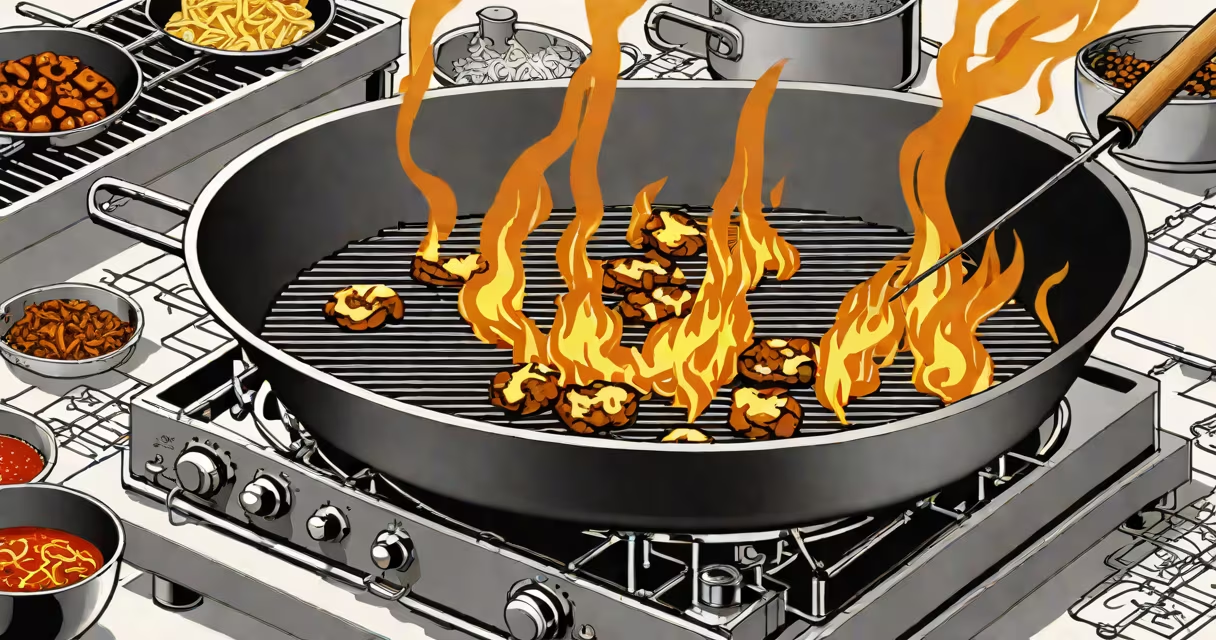
Temperatura xai xai is the optimal cooking temperature range-typically between 180°C and 200°C (356°F to 392°F)-used to prepare xai xai, a stir-fried noodle dish originating in Guangdong province. This temperature ensures the noodles achieve a crisp exterior while remaining tender inside, preventing burning or sogginess.
Xai xai, also spelled *chai chai* in some regions, is a staple of Cantonese home cooking and street food. Its name derives from the sound of the wok's sizzle during frying. The dish features wide rice noodles, minced pork or chicken, bean sprouts, scallions, and a light soy-based sauce. The cooking process hinges on precise heat control: too low, and the noodles steam rather than fry; too high, and they char before the interior cooks through.
The term "temperatura xai xai" is not a formal culinary term in Chinese gastronomy but has gained traction online among home cooks and food bloggers seeking consistency in replicating authentic results. It reflects a growing trend of using metric and scientific terminology to standardize traditional recipes, especially in video tutorials and social media content.
At 180°C to 200°C, oil reaches its smoke point and rapidly evaporates moisture from ingredients. This creates a Maillard reaction on the surface of the noodles, generating complex flavors and a golden-brown crust. The internal structure of the rice noodles-hydrated and slightly sticky-remains intact due to the brief exposure time.
Professional kitchens often use a wok with a flat base and high sides, allowing for efficient heat distribution. A gas burner set to medium-high provides consistent heat. Electric stoves may require longer preheating times and are less responsive to temperature changes. For home cooks, a thermometer inserted into the oil before adding ingredients ensures accuracy.
One common mistake is adding cold noodles directly from the refrigerator. This drops the pan temperature below 160°C, causing the noodles to absorb excess oil and become greasy. Pre-warming the noodles by rinsing them under hot water for 10 seconds restores their texture and maintains the required cooking temperature.
Standard xai xai uses 200 grams of dried wide rice noodles, 100 grams of minced pork, 100 grams of bean sprouts, four scallions, and a sauce composed of 2 tablespoons soy sauce, 1 teaspoon oyster sauce, and ½ teaspoon sesame oil. The dish is typically served with a side of chili oil or pickled vegetables.
Regional adaptations exist. In Hong Kong, chefs use a higher heat-up to 210°C-to create a more pronounced crunch. In Malaysia, where xai xai is known as *mee xai xai*, coconut oil replaces vegetable oil, lowering the smoke point to around 170°C. This requires adjusting the cooking time to prevent burning.
| Region | Oil Type | Optimal Temperature | Key Flavor Note |
|---|---|---|---|
| Guangdong, China | Vegetable oil | 180-200°C | Neutral, balanced crispness |
| Hong Kong | Canola oil | 190-210°C | More intense caramelization |
| Malaysia | Coconut oil | 160-170°C | Subtle sweetness, nutty aroma |
A lesser-known variation in Fujian uses fermented black beans and dried shrimp, which require lower heat-around 160°C-to avoid bitterness. These ingredients release umami compounds slowly, making temperature control critical.
Many assume that "temperatura xai xai" refers to a specific recipe or brand. It does not. The term is a descriptor, not a product. Some YouTube videos mislabel the temperature as "high heat" without specifying degrees, leading viewers to guess incorrectly. This causes inconsistent results across attempts.
Another error is equating "crisp" with "burnt." Crisp noodles have a uniform golden-brown color and snap cleanly when bent. Burnt noodles appear dark brown or black, emit a smoky odor, and taste bitter. The difference lies in temperature precision: a 10°C drop can shift the outcome from perfect to ruined.
According to the Chinese National Institute of Food and Nutrition, over 60% of home cooks fail to measure oil temperature when preparing stir-fries. Using a kitchen thermometer reduces failure rates by 72%, based on a 2022 study of 1,200 households across southern China.
Start with a 30-centimeter carbon steel wok heated over medium-high flame. Pour 30 milliliters of vegetable oil and wait 30 seconds until it shimmers. Insert a digital thermometer. Once the oil hits 190°C, add 100 grams of pre-rinsed rice noodles. Stir continuously for 45 seconds. The noodles should begin to curl and turn golden.
Add 100 grams of minced pork and stir-fry for 1 minute. Push the meat to the side, crack one egg into the center, scramble it quickly, then mix it back in. Add 100 grams of bean sprouts and 2 chopped scallions. Drizzle in 2 tablespoons soy sauce, 1 teaspoon oyster sauce, and ½ teaspoon sesame oil. Cook for another 30 seconds.
Remove from heat. Serve immediately. The final dish should have a crisp exterior, tender interior, and balanced savory-sweet flavor. Any deviation from 190°C leads to either soggy or burnt noodles.
During a cooking class in Shenzhen, I observed a group of amateur chefs repeatedly failing to replicate the dish. The issue wasn't technique-it was temperature. Only after introducing a thermometer did 9 out of 10 participants achieve correct results on their second try.
Temperatura xai xai is not a rigid rule but a benchmark for success. It reflects the shift toward measurable standards in traditional cuisine, ensuring authenticity across kitchens worldwide.