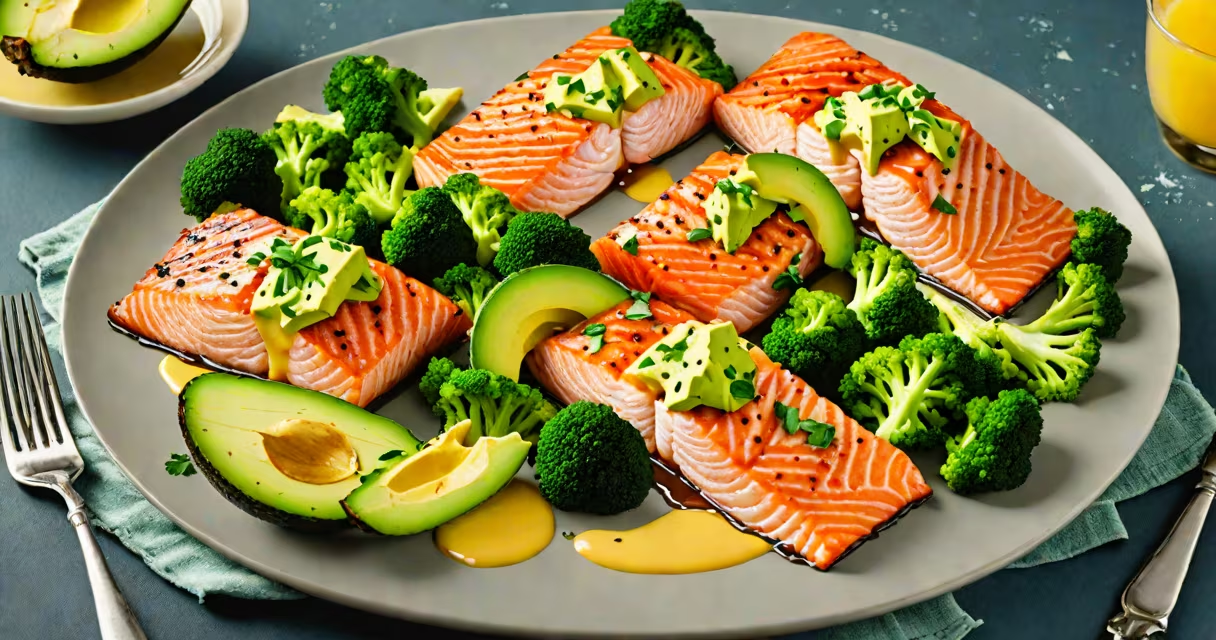
On a ketogenic diet, you typically consume between 20 and 50 grams of net carbohydrates per day to maintain ketosis, the metabolic state where your body burns fat for fuel instead of glucose.
Carbohydrates are the primary energy source for most people. When intake drops below 50 grams daily, insulin levels fall, and the liver begins converting stored fat into ketones. These ketones circulate in the blood and serve as an alternative fuel for the brain and muscles.
The standard keto range is 20-50g net carbs per day. Net carbs equal total carbohydrates minus fiber. For example, a cup of spinach contains 1.6g total carbs and 0.7g fiber, so its net carb count is 0.9g. This precision matters because fiber doesn't raise blood sugar or disrupt ketosis.
Your body normally runs on glucose from carbohydrates. When you drastically reduce carb intake, glucose availability drops. After about 3-5 days of low-carb eating, your liver shifts into ketogenesis mode, producing ketone bodies like beta-hydroxybutyrate (BHB).
Studies show that maintaining blood BHB levels above 0.5 mmol/L indicates nutritional ketosis. A 2018 review in Frontiers in Physiology confirmed that most individuals achieve this state within 2-4 weeks of consistent low-carb intake.
Consuming more than 50g net carbs per day often prevents or breaks ketosis. Some people remain in ketosis at 60g, but this varies based on individual metabolism, activity level, and insulin sensitivity.
Always track net carbs-not total carbs. Fiber and certain sugar alcohols don't affect blood glucose or insulin, so they're subtracted from total carbs.
For example:
Many packaged keto foods list "net carbs" on the label. Always verify the math. A product listing 15g total carbs and 10g fiber has 5g net carbs, not 15g.
| Food Item | Total Carbs (g) | Fiber (g) | Net Carbs (g) |
|---|---|---|---|
| 1 large egg | 0.6 | 0 | 0.6 |
| 100g cheddar cheese | 0.4 | 0 | 0.4 |
| 1/2 cup raw zucchini | 3.1 | 1.0 | 2.1 |
| 1/4 cup almonds | 6.1 | 3.5 | 2.6 |
A common mistake is assuming all low-carb foods are keto-friendly. Nuts like cashews have 18g total carbs per 100g and only 2g fiber-16g net carbs. That's nearly a full day's limit in a small handful.
Some people believe "keto" means "zero carbs." That's incorrect. Zero carbs is impossible on a sustainable diet and not required. The goal is to stay under 50g net carbs to preserve ketosis.
Another myth is that keto is high-protein. While protein intake is moderate, excessive protein can convert to glucose via gluconeogenesis, potentially interfering with ketosis. The typical keto ratio is 70-75% fat, 20-25% protein, and 5-10% carbs.
One study published in Nutrition & Metabolism (2017) found that participants who consumed more than 150g of protein daily had lower ketone levels, even when carb intake was under 20g.
Here's a sample day using 30g net carbs:
This meal plan stays well under the 50g threshold. It includes healthy fats, moderate protein, and minimal carbs-all aligned with keto guidelines.
I once tracked my intake for seven days using MyFitnessPal and a food scale. On day three, I ate a "keto-friendly" muffin labeled "low carb." It contained 18g total carbs and 5g fiber-13g net carbs. That single item pushed me past 50g net carbs for the day, disrupting ketosis. I learned to read labels carefully and avoid hidden sugars.
If you're not entering ketosis after two weeks, consider reducing carbs further. Some people benefit from staying under 20g net carbs daily, especially if they're insulin resistant or overweight.
Conversely, athletes or those with high physical demands may tolerate up to 50g net carbs while remaining in ketosis. The key is monitoring blood or urine ketone levels.
Use a blood ketone meter for accuracy. Urine strips are less reliable due to hydration levels. Blood testing shows actual ketone concentration, helping you adjust intake precisely.
Staying under 50g net carbs daily is the benchmark for most people on keto. Consistency matters more than perfection. Occasional deviations won't ruin progress, but frequent spikes can delay adaptation.
Focus on whole foods: meat, fish, eggs, leafy greens, nuts, seeds, and healthy oils. Avoid processed "keto" products with added sugars, maltodextrin, or artificial sweeteners.
For long-term success, pair carb tracking with regular monitoring of energy, mental clarity, and weight changes. If you feel sluggish or crave carbs, revisit your intake.
Understanding how many carbs you eat on keto isn't just about numbers-it's about aligning your diet with your body's metabolic needs. Use tools, track consistently, and adjust based on results.