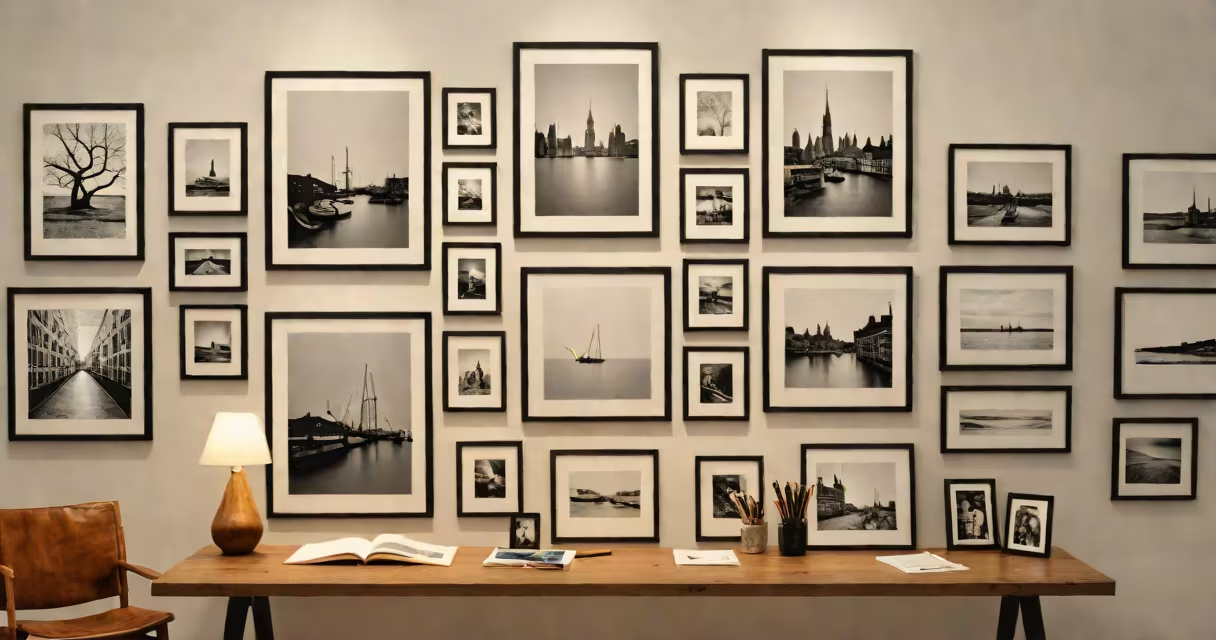
Selling art prints turns original artwork into affordable reproductions available to wider audiences. Artists distribute limited-edition or mass-produced prints via online marketplaces, galleries, or direct sales, earning revenue per unit sold. This model lowers entry barriers for collectors while enabling artists to scale income beyond one-off commissions.
Art prints are physical reproductions of digital or hand-created artwork, printed on paper or canvas using inkjet, giclée, or offset presses. They differ from originals in material, edition size, and perceived value. A single print may cost $15 to produce and sell for $45-$120 depending on format, quality, and platform markup.
Prints are not unique. Each copy is identical unless signed or numbered. Limited runs (e.g., 50 numbered copies) increase perceived scarcity. Giclée prints use archival inks and cotton rag paper, lasting decades without fading. Standard inkjet prints on photo paper degrade faster under sunlight.
Artists create a master file-usually a high-resolution digital image (300 DPI, 12x16 inches minimum). They then choose a production method: print-on-demand (POD) or in-house printing. POD services handle fulfillment, shipping, and returns. In-house printing requires inventory storage and logistics management.
When a customer buys a print, the platform triggers a print job. The service prints, packages, and ships the item directly to the buyer. The artist receives a commission, typically 15%-30%, after platform fees and shipping costs. For example, a $75 print sold via Society6 yields $48 net after $15 platform fee and $12 shipping.
Some artists use print-on-demand for testing demand. If a design sells well, they may switch to bulk printing with lower per-unit costs. Bulk orders require upfront investment but reduce long-term profit loss from platform fees.
Artists choose between global marketplaces, niche sites, and local channels based on audience reach, control, and profit margin. The table below compares options:
| Platform Type | Examples | Commission Rate | Best For |
|---|---|---|---|
| Global Marketplaces | Etsy, Amazon Handmade, Society6 | 10%-15% | Beginners, broad exposure, low setup time |
| Niche Art Sites | Redbubble, Fine Art America | 15%-20% | Themed designs, custom product integration |
| Direct Sales | Personal website, Instagram storefront | 0% (but handling costs apply) | Brand control, higher margins, recurring customers |
For example, an artist selling minimalist field prints priced at $65 on Etsy earns $52 after $10 listing fee and $3 platform cut. On a personal site using Shopify and Printful, the same print nets $50 after $12 shipping and $3 payment processing, but avoids platform branding.
Local options include craft fairs, pop-up shops, and art galleries. These offer face-to-face interaction and immediate feedback. A booth at a regional art fair might yield $100 per print sold, but requires travel, setup, and time. Local sales often build community trust and lead to repeat buyers.
Many artists assume higher prices equal higher profits. But a $120 print on Etsy may sell less than a $50 version due to buyer psychology. Research shows 68% of art buyers prefer under-$75 items, according to a 2023 report by the American Art Council.
Another error is ignoring print quality. Using low-res files leads to blurry images. Always export at 300 DPI and test prints on actual paper. A 12x16 inch file at 150 DPI appears pixelated when enlarged. The U.S. National Gallery of Art recommends using CMYK color profiles for consistent results across devices.
Some artists list the same design on multiple platforms without adjusting pricing. This creates competition and confuses buyers. Best practice: list unique designs per platform. Use Etsy for whimsical themes, Redbubble for pop culture mashups, and a personal site for signature series.
I designed a set of five botanical prints based on native California wildflowers. I used Adobe Illustrator to create vector-based artwork, exported each at 300 DPI, and uploaded them to Etsy and Redbubble. I priced them at $55 each, with free shipping on orders over $100.
After six months, the Etsy store generated $2,300 in sales. Redbubble added $1,100. Total profit: $2,400 after platform fees and shipping. I reinvested $600 into better packaging and a new design series. I also started an email list via Mailchimp, offering a 10% discount to subscribers.
One print-"California Poppy at Dusk"-sold 187 times. I later released a limited run of 100 giclée prints on archival paper, priced at $120. These sold out in four weeks. The success came from consistent branding, clear product descriptions, and responsive customer service.
Understanding how to sell art prints begins with knowing your audience. A 2022 study by the University of Michigan found that 72% of art print buyers search by theme, not artist name. Use descriptive titles like "Sunset Desert Field - Framed Art Print" instead of "Untitled #3."