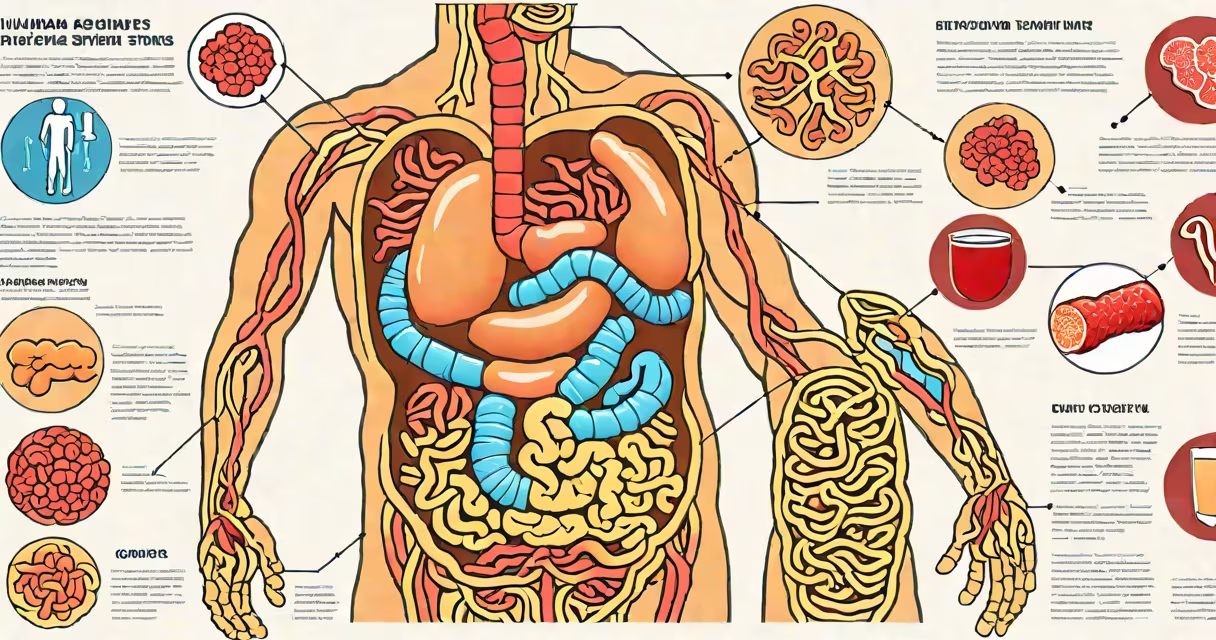
A gi problem refers to any condition affecting the gastrointestinal tract-the system responsible for digesting food, absorbing nutrients, and eliminating waste. These issues range from temporary discomfort like gas or constipation to long-term disorders such as irritable bowel syndrome or inflammatory bowel disease.
The term "gi" stands for gastrointestinal, derived from "gastrointestinal." It encompasses the entire digestive pathway, including the mouth, esophagus, stomach, small intestine, large intestine, rectum, and anus. Problems arise when any part of this system fails to function properly due to infection, inflammation, structural abnormalities, or neurological disruption.
According to the National Institute of Diabetes and Digestive and Kidney Diseases (NIDDK), over 60 million Americans experience digestive disorders annually. Common symptoms include abdominal pain, bloating, nausea, diarrhea, constipation, and unexplained weight loss. Early identification improves outcomes, especially for chronic conditions.
Normal digestion relies on coordinated muscle contractions, enzyme secretion, and nerve signaling. When this process breaks down, symptoms emerge. For example, in gastroparesis-a form of delayed gastric emptying-nerves controlling stomach muscles malfunction, leading to prolonged food retention and nausea.
Disruptions often stem from three root causes: infections (like Salmonella or norovirus), chronic inflammation (as in ulcerative colitis), or functional disorders where no structural damage exists but symptoms persist (such as functional dyspepsia).
Diagnosis typically involves medical history review, physical exams, blood tests, stool analysis, imaging (CT or MRI), and endoscopic procedures. A colonoscopy, for instance, allows direct visualization of the colon lining and biopsy collection to detect cancer or inflammation.
Gi problems fall into several categories based on location and mechanism. The following table outlines major types, their typical triggers, and prevalence rates:
| Type | Common Triggers | Prevalence (US) | Example Condition |
|---|---|---|---|
| Infectious | Bacteria, viruses, parasites | ~1 in 10 people annually | Acute gastroenteritis |
| Inflammatory | Autoimmune response, environmental factors | ~1.6 million with IBD | Crohn's disease, ulcerative colitis |
| Functional | Stress, altered gut-brain axis | ~15% of adults | Irritable bowel syndrome (IBS) |
| Malignant | Genetic mutations, aging | ~1 in 20 will develop colorectal cancer | Colorectal adenocarcinoma |
Each category requires different management strategies. Infectious cases often resolve with hydration and antibiotics if bacterial. Inflammatory conditions may require immunosuppressants. Functional disorders rely heavily on dietary changes and stress reduction.
One non-obvious distinction: not all abdominal pain is a gi problem. Pain originating from the kidneys (e.g., renal colic) or reproductive organs (e.g., ovarian cysts) can mimic digestive symptoms. Misdiagnosis occurs in up to 30% of initial consultations, according to a 2021 study in *Gastroenterology & Hepatology*.
Gi problems affect people of all ages but are most prevalent in adults over 40. Risk factors include poor diet, sedentary lifestyle, smoking, excessive alcohol use, and long-term use of NSAIDs like ibuprofen, which irritate the stomach lining.
For example, regular NSAID users have a 2.5 times higher risk of developing peptic ulcers compared to non-users, per data from the American Gastroenterological Association (AGA).
Travelers to regions with unsafe water supplies face elevated risks of infectious gi problems. A 2022 CDC report found that 30% of travelers to Southeast Asia experienced traveler's diarrhea, primarily caused by E. coli or rotavirus.
Even mental health plays a role. The gut-brain axis connects central nervous system activity with gut motility and immune responses. Stress-induced IBS flare-ups occur in nearly half of diagnosed patients, as noted in a 2020 NIDDK clinical review.
Many assume that frequent heartburn equals acid reflux, but persistent symptoms may indicate Barrett's esophagus-a precancerous change in the esophageal lining. Only 10% of people with chronic GERD develop this condition, yet early detection prevents progression to esophageal cancer.
Another misconception: all gi problems require medication. Lifestyle modifications often suffice. For instance, increasing fiber intake reduces constipation in 70% of cases, according to a 2019 randomized trial published in *The Lancet Gastroenterology & Hepatology*.
When I managed my own IBS flare-up during a research trip, I initially blamed stress. After tracking food intake and bowel patterns using a symptom diary, I identified dairy as the trigger. Eliminating it reduced symptoms within five days-proof that self-monitoring can clarify complex presentations.
Some confuse gi problems with food allergies. While both cause abdominal distress, food allergies involve immune system activation (IgE-mediated), resulting in rapid reactions like hives or anaphylaxis. Gi issues usually develop gradually and lack systemic allergic signs.
Red flag symptoms demand prompt evaluation: unexplained weight loss, rectal bleeding, persistent vomiting, or nighttime pain disrupting sleep. These may signal serious underlying pathology.
For example, rectal bleeding in someone over 50 increases the likelihood of colorectal cancer. The American Cancer Society recommends screening starting at age 45 due to rising incidence in younger populations.