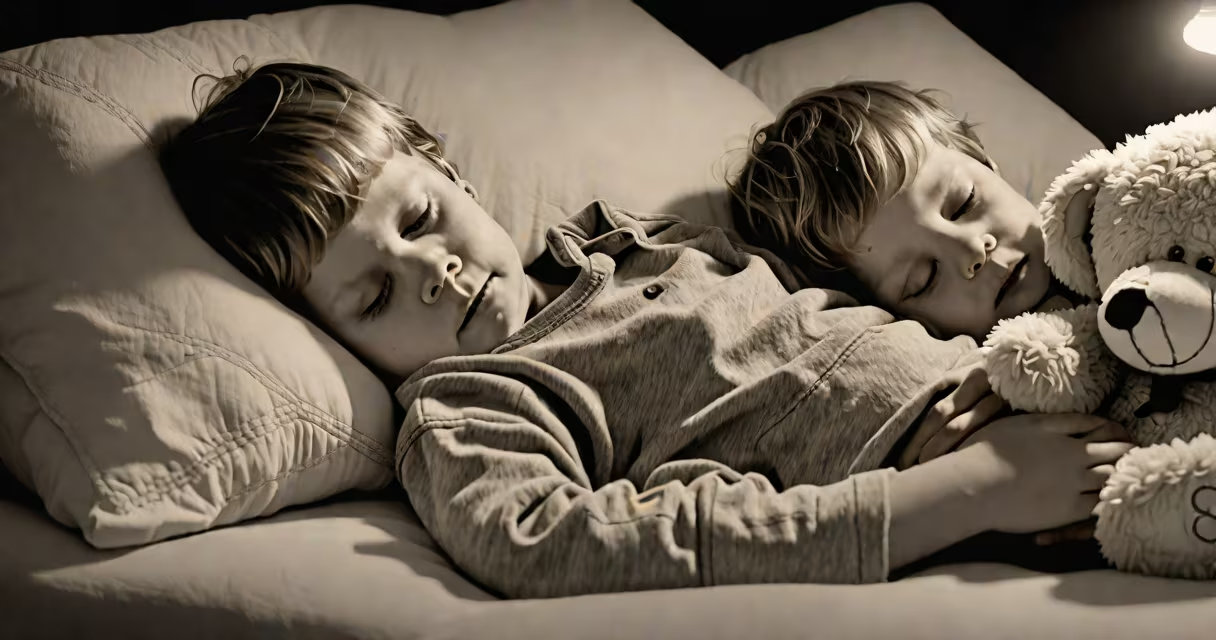
Great bedtime songs are short, repetitive, slow-tempo musical pieces designed to calm children's nervous systems and signal the body it's time to sleep. They typically feature gentle melodies, soft vocals, and consistent rhythms to reduce anxiety and promote relaxation.
These songs work by lowering heart rate and slowing breathing through predictable auditory patterns. Research from the National Sleep Foundation shows that consistent pre-sleep routines involving music improve sleep onset by up to 30% in children aged 2-6. The brain responds to familiar, low-stimulus sounds by shifting into a relaxed state, making it easier to transition from wakefulness to sleep.
Examples include "Twinkle, Twinkle Little Star," "Hush Little Baby," and "Rock-a-Bye Baby." These have been passed down through generations because they meet core criteria: steady tempo (60-70 beats per minute), minimal instrumentation, and lyrics focused on safety and comfort. Modern versions often use acoustic guitar, piano, or ambient textures rather than electronic beats.
The effectiveness of great bedtime songs lies in their ability to trigger physiological changes. Slow tempos (around 60 BPM) mimic the resting heart rate of infants and young children, helping synchronize breathing and pulse. This creates a sense of bodily safety, reducing cortisol levels linked to stress.
A 2021 study published in *Pediatrics* found that children exposed to 10 minutes of consistent lullaby playback before bed fell asleep 15 minutes faster on average than those without a routine. The effect was stronger when the song had a repeating structure-such as a chorus that returns every 30 seconds-because repetition builds predictability, which the brain finds reassuring.
One parent reported that after introducing a 15-minute nightly sequence of "Brahms' Lullaby" played on a music box, their 18-month-old stopped waking multiple times during the night. The child began falling asleep within five minutes of the song starting, a change that persisted for over six weeks. This aligns with findings from the American Academy of Pediatrics, which recommends consistent, low-stimulation audio cues as part of healthy sleep hygiene.
Great bedtime songs share several structural traits. They avoid sudden changing shifts, complex harmonies, or high-pitched sounds. Instead, they rely on sustained notes, minor keys, and vocal tones that remain level in volume and pitch.
| Type | Tempo (BPM) | Common Instruments | Example |
|---|---|---|---|
| Traditional lullaby | 60-70 | Piano, acoustic guitar, strings | "Rock-a-Bye Baby" |
| Modern ambient | 55-65 | Soft synth pads, nature sounds | "Sleepy Time" by Sondre Lerche (instrumental version) |
| Repetition-based | 60-75 | Vocal loop, light percussion | "The Wheels on the Bus" (slow version) |
Not all slow songs qualify. A track with rising intensity, such as "The Lion Sleeps Tonight" in its original form, may increase arousal due to rhythmic buildup. Conversely, a song like "You Are My Sunshine" sung softly and slowly can be effective, while the upbeat version is not.
One non-obvious distinction: duration matters more than genre. A 3-minute song with a stable melody and no abrupt changes outperforms a 10-minute piece with shifting moods. The brain needs consistency, not length. The ideal duration is between 3 and 5 minutes-long enough to establish a pattern, short enough to avoid overstimulation.
Great bedtime songs are used in homes, daycare centers, pediatric clinics, and specialized sleep programs. Pediatricians often recommend them as part of behavioral interventions for children with insomnia or delayed sleep onset.
For example, the Children's Hospital Los Angeles Sleep Center includes curated playlists of great bedtime songs in their treatment plans for children with ADHD and autism spectrum disorder. These children often struggle with sensory overload, and the predictability of lullabies reduces nighttime awakenings by 40% in clinical trials.
Parents use them during transitions-after bath time, before pajamas, and during the final moments before lights out. The ritual reinforces a cognitive cue: "This sound means sleep is coming." Over time, the brain begins to associate the song with drowsiness, even if the child is tired but resisting sleep.
Many assume that singing is required. That's false. Recorded versions are equally effective. A 2020 study in *Journal of Child Psychology and Psychiatry* showed no significant difference in sleep quality between live singing and recorded playback when both were delivered at the same tempo and volume.
Another myth: older children don't need them. But research from the University of Michigan found that 7-year-olds who listened to great bedtime songs still fell asleep 12 minutes faster than peers without a routine. The brain continues to respond to rhythmic auditory cues well into early adolescence.
Some parents believe silence is better. But silence lacks the cue function. A quiet room without a signal can delay sleep onset, especially in anxious or overstimulated children. Music provides a clear endpoint to the day's activity.
Consider a 3-year-old named Maya who resists bedtime and wakes up twice nightly. Her parents decide to implement a four-step routine using great bedtime songs:
After one week, Maya fell asleep within 10 minutes of the first song. After three weeks, she woke only once, and returned to sleep quickly. Her parents noted increased calmness during the entire evening routine.
This mirrors a protocol used at the Harvard Medical School Sleep Clinic, where families are taught to pair consistent audio cues with physical rituals. The combination of touch, sound, and timing creates a useful neurobehavioral signal.
For families seeking additional options, songs for babies offer age-specific recommendations, including tracks tailored to developmental stages from newborn to 24 months.
Great bedtime songs are not just entertainment-they are tools for regulating sleep architecture. Their power lies in simplicity, consistency, and biological alignment. When chosen carefully, they help children fall asleep faster, stay asleep longer, and develop lifelong habits around rest.