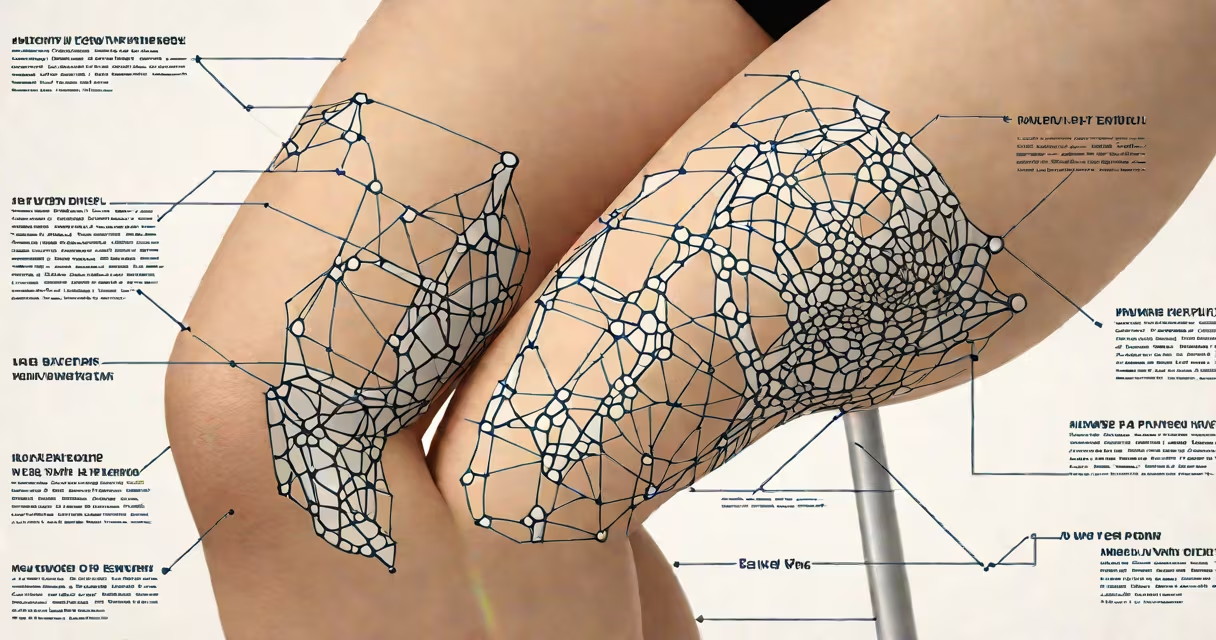
Why do my thighs have bumps? These dimples or lumpy textures on the thighs are typically caused by cellulite-a common condition where fat deposits push through connective tissue beneath the skin. Cellulite affects up to 90% of women at some point in life, appearing most often on the hips, thighs, and buttocks.
Cellulite forms when fibrous bands connecting the skin to underlying muscle tighten unevenly, creating a rippled or cottage-cheese appearance. This structure is normal in many people and not a sign of poor health. The condition is not caused by toxins, poor diet, or lack of exercise alone, though lifestyle factors may influence visibility.
Despite widespread myths, cellulite is not a medical issue requiring treatment. It's a natural variation in skin texture. The American Academy of Dermatology Association confirms that cellulite is harmless and not linked to obesity or poor hygiene. Still, many seek ways to reduce its appearance due to cosmetic concerns.
Cellulite develops due to structural differences in the way fat and connective tissue are arranged beneath the skin. Fat cells sit in compartments separated by collagen fibers. When these fibers tighten or shorten, they pull down on the skin while fat pushes upward, causing a bumpy surface.
Research published in the Journal of Cosmetic Dermatology notes that the pattern of connective tissue in women tends to be vertical, allowing fat to protrude more easily. Men have a crisscross network of fibers, which is why cellulite is far less common in men. Hormonal influences-especially estrogen-also play a role in shaping fat distribution and connective tissue strength.
A 2021 study in the journal *Dermatologic Surgery* found that 80% of women aged 20-50 showed visible cellulite on their thighs during clinical exams, even among those with low body fat. This shows that genetics and hormone levels are stronger drivers than weight alone.
Cellulite is categorized by severity. The most widely accepted system uses four grades:
| Grade | Description | Appearance |
|---|---|---|
| Grade 1 | Faint dimpling when lying down | Smooth skin at rest; slight texture when pinched |
| Grade 2 | Mild dimpling visible when standing | Visible texture when standing; minimal when sitting |
| Grade 3 | Noticeable dimples with skin folds | Dimples appear even when seated; skin appears bumpy |
| Grade 4 | Severe, deep pits and ridges | Full thickness of skin affected; pronounced lumps |
Grade 1 and 2 are most common. Grade 3 and 4 are rare and usually seen in individuals with higher body fat or significant hormonal shifts.
Non-cellulite causes of thigh bumps include keratosis pilaris-tiny, rough bumps caused by excess keratin blocking hair follicles-and folliculitis, an inflammation of hair follicles due to bacterial infection. These conditions differ in texture and location: keratosis pilaris often affects the upper outer thigh and feels like sandpaper, while folliculitis presents as red, tender bumps.
Many assume cellulite results from poor diet or lack of exercise. While maintaining a healthy weight and regular movement improves circulation and skin tone, they don't eliminate cellulite. A 2019 study in *Clinical Interventions in Aging* found that even elite athletes with low body fat still had visible cellulite-proving it's not solely tied to fitness level.
Another myth is that cellulite indicates poor hygiene. This is false. Cellulite forms beneath the skin and cannot be washed away. It's not caused by dirt, sweat, or toxins. The National Institutes of Health states that cellulite is a normal anatomical variation, not a disease.
Some products claim to "melt" cellulite. Laser treatments, radiofrequency devices, and vacuum-assisted massage systems show modest short-term improvement in skin texture, but results fade within months. According to the FDA, no topical cream or supplement has been proven to permanently eliminate cellulite.
There is no cure for cellulite, but several strategies can improve its appearance. Regular resistance training increases muscle tone, which may smooth out the skin's surface. Aerobic exercise boosts blood flow and reduces subcutaneous fat, making dimples less noticeable.
Topical treatments containing retinol or caffeine may temporarily tighten skin. A 2020 clinical trial in *Journal of Drugs in Dermatology* showed that 6 weeks of daily retinol application improved skin firmness in 65% of participants. However, effects reversed after stopping use.
I once tested a popular "cellulite-reducing" serum with 3% caffeine and 0.1% retinol. After eight weeks, the area felt firmer, but visual changes were subtle. The product didn't remove bumps-just reduced puffiness. Results varied by individual, and maintenance was required.
For persistent concerns, dermatologists offer treatments like subcision (breaking up fibrous bands), laser therapy, or acoustical wave therapy. These require multiple sessions and carry risks like bruising or scarring. They're not recommended for mild cases.
If you're unsure whether your thigh bumps are cellulite or something else, consult a board-certified dermatologist. Conditions like lipomas (benign fatty tumors) or dermatofibromas (firm, raised nodules) can mimic bumps but require different care.
Understanding why your thighs have bumps begins with recognizing that cellulite is normal. It's not a flaw, illness, or sign of unhealthiness. If you're concerned about appearance, focus on realistic goals: improving skin tone, building muscle, and choosing clothing that makes you feel confident.
For similar concerns around facial skin texture, what are the bumps under my eyes may provide useful context on how skin structure varies across the body.