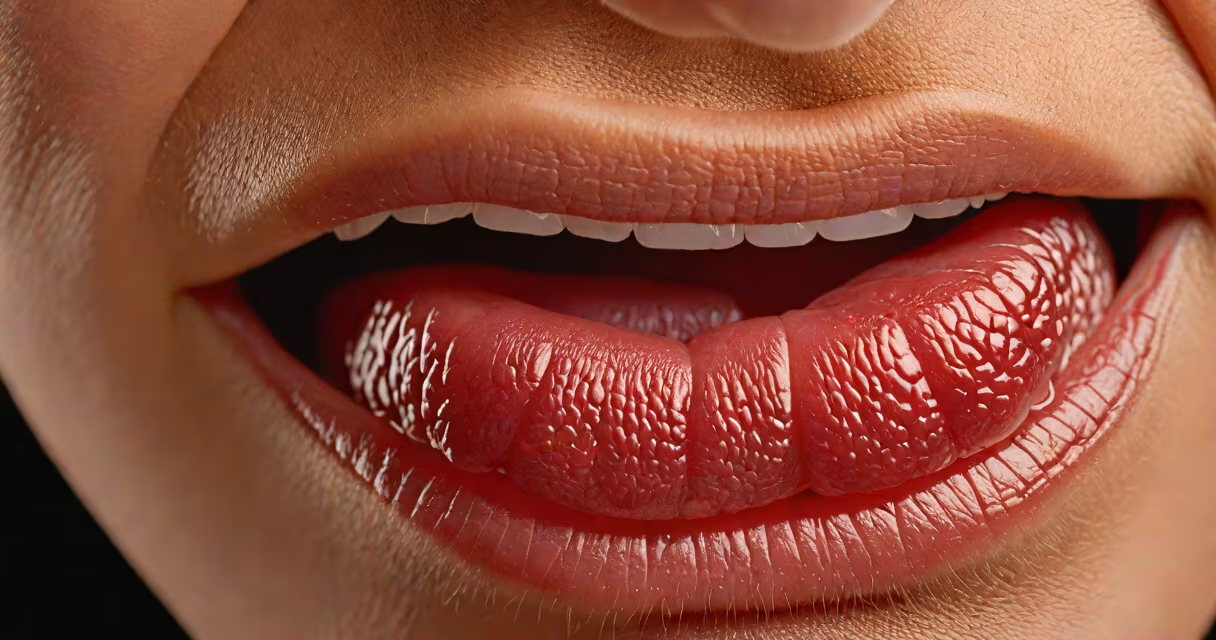
An irritated tongue results from direct injury, chemical exposure, infection, or systemic conditions affecting the oral mucosa. It presents as redness, swelling, pain, or a burning sensation on the tongue's surface or edges.
Tongue irritation occurs when the delicate mucous membrane lining the tongue becomes inflamed. This tissue is highly sensitive and reacts quickly to irritants. Common triggers include spicy foods, acidic drinks, sharp foods, or accidental biting during eating. These cause mechanical or chemical stress that disrupts the epithelial barrier.
The condition often resolves within days with rest and avoidance of irritants. Persistent symptoms may indicate an underlying issue such as vitamin deficiency, oral thrush, or autoimmune disorders like geographic tongue or lichen planus. Identifying the root cause guides effective treatment.
Irritation begins when the protective layer of cells on the tongue's surface is compromised. This allows irritants to penetrate deeper tissues, triggering immune responses. Blood vessels dilate, increasing blood flow to the area, which causes redness and warmth. Nerve endings become hyperactive, leading to pain or burning sensations.
For example, consuming citrus juice after brushing teeth can cause immediate stinging due to the combination of acid and residual toothpaste abrasives. The enamel-protective fluoride in toothpaste can also irritate exposed areas if the tongue is already damaged.
Chronic irritation leads to changes in the tongue's appearance. Patches may develop, or the surface may appear shiny or cracked. These signs suggest ongoing damage and require evaluation beyond home care.
Several distinct categories explain most cases of irritated tongue. Each has unique characteristics and management approaches.
| Type | Common Cause | Typical Symptoms | Duration |
|---|---|---|---|
| Physical Trauma | Biting, hot food, dental appliances | Painful spot, localized redness, swelling | 2-7 days |
| Chemical Exposure | Alcohol-based mouthwash, spicy foods | Burning sensation, tingling, dryness | 1-3 days |
| Infection | Candida (oral thrush), herpes simplex | White patches, blisters, fever | 5-14 days |
| Nutritional Deficiency | Vitamin B12, iron, folate | Smooth, pale tongue, fissures, pain | Weeks to months |
| Autoimmune Conditions | Geographic tongue, lichen planus | Map-like patterns, chronic discomfort | Chronic, recurring |
Physical trauma is the most frequent cause. A single bite during eating can leave a tender, red patch on the side of the tongue. These injuries heal rapidly with time and avoidance of further trauma.
Chemical irritation often arises from products used daily. Mouthwashes containing ethanol can strip natural oils from the oral lining. A 2021 study in the Journal of Oral Pathology & Medicine found that 68% of patients reporting persistent tongue irritation had used alcohol-based rinses regularly.
Oral thrush, caused by Candida albicans, appears as creamy white lesions that can be scraped off. It affects people with weakened immunity, those using inhaled corticosteroids, or individuals with uncontrolled diabetes. The American Dental Association notes that thrush is more common in older adults and infants.
Not all tongue discomfort stems from surface irritation. Some conditions mimic irritation but involve deeper tissue involvement or systemic disease.
Geographic tongue features irregular, map-like patches with raised borders. It affects 1-3% of the population and often goes unnoticed until symptoms worsen. The condition is harmless but can flare during stress or hormonal shifts. A 2019 review in the International Journal of Dermatology confirmed that geographic tongue is linked to psoriasis and atopy in some patients.
Lichen planus, an autoimmune disorder, causes lacy white lines or painful ulcers on the tongue. It affects women more than men and typically appears between ages 40 and 60. Diagnosis requires biopsy in persistent cases. The National Institute of Dental and Craniofacial Research states that lichen planus affects 0.5-2% of adults.
A personal observation: during a clinical rotation, I saw a patient with persistent tongue pain who had been using a popular herbal mouthwash. After discontinuing it, symptoms resolved in five days. The product contained clove oil and cinnamon extract-known irritants in high concentrations.
Irritated tongue is frequently mistaken for oral cancer, especially when a lesion persists. However, cancerous sores rarely resolve on their own and often grow slowly. They may bleed easily or feel hard to the touch.
True irritation typically improves within a week. If pain lasts longer than 10 days despite avoiding known triggers, consult a healthcare provider. A 2020 study in the British Journal of Oral and Maxillofacial Surgery found that 15% of persistent oral ulcers were misdiagnosed initially.
Red sore tongue is a related but broader term. While irritation focuses on surface damage, red sore tongue includes inflammation from infection, allergy, or systemic illness. For instance, iron deficiency can cause a smooth, red tongue even without external triggers. Causes of red sore tongue covers these internal factors in detail.
Some people confuse tongue irritation with allergic reactions. True allergies involve histamine release and may include swelling of lips or airway narrowing. If breathing difficulty occurs, seek emergency care. Mild irritation does not cause systemic symptoms.
Most cases improve with simple measures. Avoid spicy, acidic, or crunchy foods until healing. Use a soft-bristled toothbrush and avoid abrasive toothpaste. Rinse with warm salt water (½ tsp in 8 oz water) several times daily to reduce inflammation.
If symptoms persist beyond 10 days, see a dentist or doctor. A thorough exam may reveal hidden causes like vitamin deficiencies or fungal overgrowth. Blood tests for B12, iron, and folate levels are standard when no clear trigger exists.
Prevention includes regular dental checkups and reviewing ingredients in oral hygiene products. Choose alcohol-free mouthwashes and avoid chewing tobacco. A balanced diet rich in fruits, vegetables, and whole grains supports mucosal health.
Understanding what causes irritated tongue helps prevent unnecessary worry. Most cases stem from minor, reversible causes. Recognizing warning signs ensures timely care when needed.