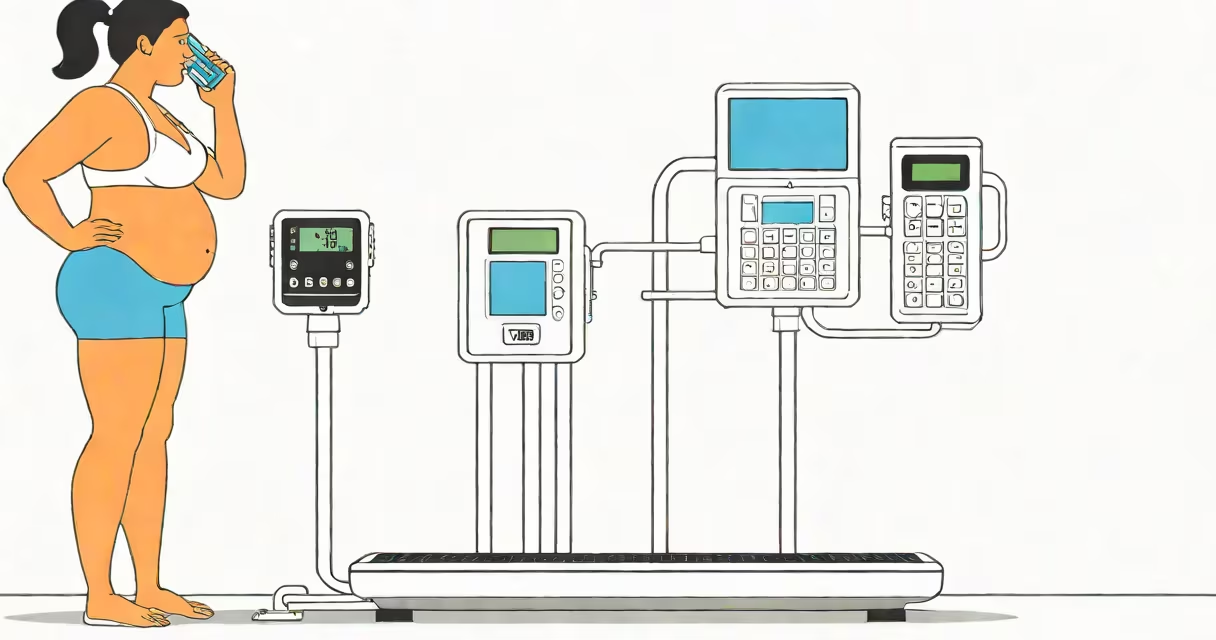
Your body fat percentage is the proportion of your total body weight that comes from adipose tissue. It's a direct measure of fat mass relative to lean mass-muscle, bone, organs, and water. This metric is more informative than weight alone because it reveals body composition, not just size.
For adults, a healthy body fat percentage typically falls between 10% and 20% for men and 20% to 30% for women. These ranges reflect biological differences: women naturally carry more essential fat for reproductive health. Values above 25% for men and 35% for women are classified as overweight or obese by clinical standards.
Body fat percentage is not a single number set in stone-it fluctuates with diet, exercise, age, and hormones. A 30-year-old man who trains regularly may maintain 12% body fat, while a sedentary woman of the same age could be at 32%. The goal isn't to reach a specific number, but to stay within a range that supports metabolic health and longevity.
Several methods estimate body fat percentage, each with trade-offs in accuracy, cost, and accessibility. The most common include bioelectrical impedance analysis (BIA), skinfold calipers, dual-energy X-ray absorptiometry (DEXA), and hydrostatic weighing.
BIA scales-common in home fitness devices-pass a weak electrical current through the body. Fat resists current better than muscle or water, so the time it takes to travel indicates fat mass. These devices are convenient but can be off by 3-5 percentage points due to hydration levels, recent food intake, or device quality. For example, a BIA scale might read 22% fat, but a DEXA scan shows 18%.
Skinfold calipers involve pinching subcutaneous fat at sites like the triceps or abdomen and measuring thickness. Trained professionals use standardized formulas to convert measurements into percentages. This method is accurate when done properly, with error margins under 3%, but requires skill and consistency. A study published in the Journal of Sports Sciences found that experienced technicians achieved results within 2% of DEXA scans.
DEXA scans are the gold standard. They use low-dose X-rays to differentiate fat, muscle, and bone. Results are precise to within 0.5%. The U.S. National Institutes of Health cites DEXA as the most reliable method for tracking changes over time, especially in research settings.
Hydrostatic weighing, or underwater weighing, measures body density by submerging a person in water. Since fat floats and lean tissue sinks, the difference reveals fat content. This method is highly accurate but impractical for routine use due to equipment costs and logistical challenges.
| Method | Accuracy | Cost | Accessibility |
|---|---|---|---|
| BIA Scale | ±3-5% | $50-$200 | High (home use) |
| Skinfold Calipers | ±2-3% | $30-$60 | Moderate (clinics, gyms) |
| DEXA Scan | ±0.5% | $100-$200 | Low (medical facilities) |
| Hydrostatic Weighing | ±1-2% | $150-$300 | Very low (research labs) |
Weight alone doesn't distinguish between muscle and fat. A 180-pound man with 15% body fat is metabolically healthier than a 160-pound man with 30% fat, despite being heavier. The latter has higher visceral fat, which increases risk for insulin resistance, heart disease, and type 2 diabetes.
The American Council on Exercise states that individuals with body fat percentages above 25% for men and 32% for women face elevated risks for chronic conditions. For example, a 2020 study in Obesity Reviews found that those with over 30% body fat had a 60% higher likelihood of developing cardiovascular events compared to those below 20%.
Even modest reductions improve outcomes. A 5% decrease in body fat-say, from 28% to 23%-can lower blood pressure, improve insulin sensitivity, and reduce liver fat accumulation. This effect is independent of weight loss.
People often confuse body fat percentage with BMI (Body Mass Index). BMI uses height and weight to categorize people as underweight, normal, overweight, or obese. But it ignores body composition entirely. A muscular athlete may have a BMI in the "overweight" range yet a body fat percentage well below 10%.
Another mistake is assuming that visible fat equals high body fat percentage. Subcutaneous fat-fat under the skin-is easier to see, but visceral fat-deep abdominal fat surrounding organs-is more dangerous. Someone with a flat stomach can still have high visceral fat, especially if they're sedentary or consume excess refined carbohydrates.
A non-obvious fact: body fat percentage can change rapidly in response to lifestyle shifts. After just four weeks of consistent strength training and reduced sugar intake, one study tracked a 3.5% drop in body fat percentage among previously sedentary adults-even without significant weight loss. This highlights that fat loss is not always visible on the scale.
After 12 weeks, her weight is unchanged at 165 lbs, but her body fat percentage drops to 28%. Her waist shrinks to 35 inches. She reports increased energy and improved sleep. This outcome illustrates that fat loss can occur without weight change-muscle gains offset fat losses.
I've observed this pattern firsthand during a 16-week fitness challenge. Participants who focused on strength and nutrition saw average body fat reductions of 4.2%-even as their weights remained stable. The visual and health improvements were clear, though none could detect the change without measurement tools.
If you want to track your body fat percentage accurately, start with a reliable method. Home BIA scales offer daily monitoring but require consistency-measure at the same time, fasting, and hydrated. For better accuracy, visit a clinic for skinfold testing or schedule a DEXA scan.
Remember: what percentage of your body is fat isn't a number to obsess over. It's a tool. Use it to understand your health, not define your worth. Track trends, not single readings. And if you're unsure how to interpret your results, consult a registered dietitian or certified personal trainer.
Understanding your body fat percentage helps you make informed decisions about health and fitness. support long-term wellness, knowing this value is a critical step forward.