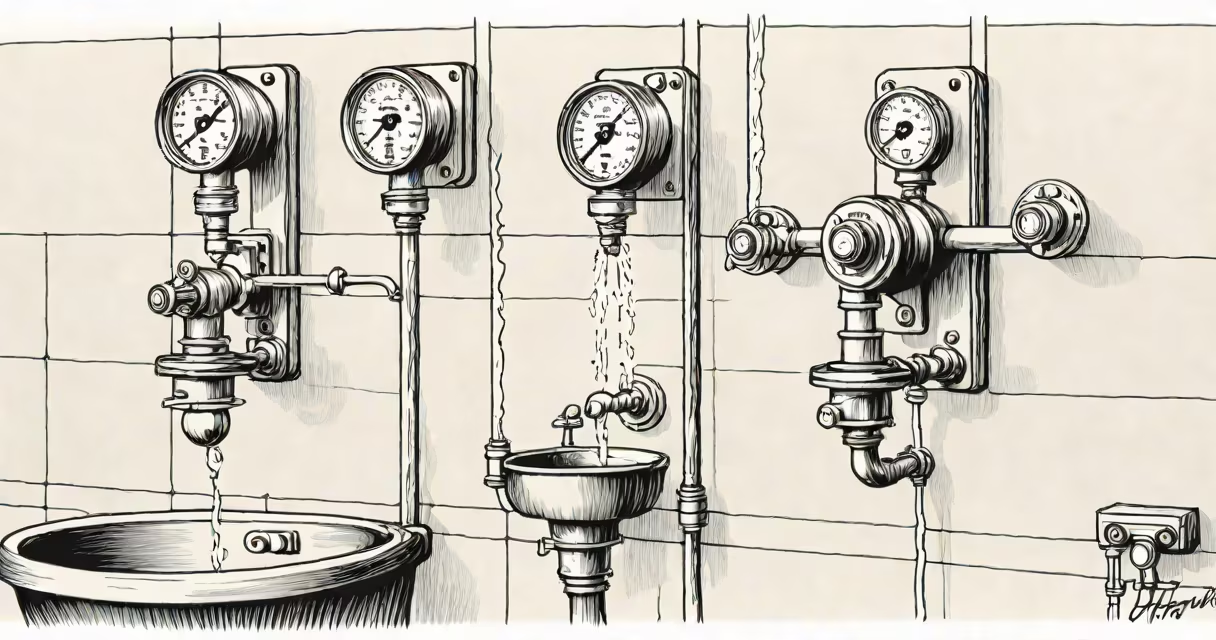
An eye wash station is a safety device designed to flush the eyes with water within seconds of exposure to hazardous chemicals, dust, or biological agents. It meets strict guidelines set by ANSI Z358.1 and OSHA regulations to ensure immediate access during emergencies.
These fixtures deliver a continuous flow of tepid water-between 60°F and 100°F (15.5°C to 37.8°C)-to prevent further injury. They must activate within 10 seconds of reaching the activation point and provide at least 15 minutes of continuous flow. A single unit serves one person at a time and is intended for emergency use only, not routine cleaning.
According to OSHA's 29 CFR 1910.141, employers must provide accessible eyewash stations in areas where hazardous materials are handled. Failure to comply can result in citations and penalties. The American National Standards Institute (ANSI) updates the Z358.1 standard every few years to reflect new safety research and material handling risks.
When activated, the station releases water through two nozzles positioned at eye level. Users stand or sit with their eyes open and face the flow, allowing water to rinse both eyes simultaneously. The design helps water enters the inner corner of each eye and flows out toward the temples, minimizing contamination risk.
Most units are gravity-fed or pressurized. Gravity-fed models rely on a water reservoir mounted above the unit, while pressurized systems connect directly to a potable water supply. Pressurized stations offer faster response times and consistent pressure, but require regular maintenance to prevent bacterial growth in stagnant lines.
Testing protocols mandate weekly activation to verify proper function. This includes checking for debris, verifying water temperature, and ensuring nozzles are unobstructed. A study published in the Journal of Occupational and Environmental Hygiene found that 38% of inspected stations failed basic functionality tests due to lack of routine checks.
Eye wash stations come in several forms based on installation, mobility, and environmental conditions.
| Type | Best For | Flow Rate | Installation |
|---|---|---|---|
| Wall-mounted | Fixed work areas with high chemical exposure | 1.5 gallons per minute (gpm) | Permanent, requires plumbing |
| Portable | Temporary setups, labs, field operations | 1.5 gpm | Self-contained tank, no plumbing needed |
| Emergency shower/eyewash combo | Areas where both skin and eye exposure are likely | 1.5 gpm (eyes), 20 gpm (shower) | Requires floor drain and dedicated space |
| Handheld | Remote locations, mobile teams | 1.5 gpm | Carried in kit, battery-powered pump |
Portable units are common in laboratories and construction zones. They typically hold 10 to 15 gallons of water and are refillable. However, they are not suitable for continuous use and must be refilled after each deployment.
One underappreciated detail: the water delivery path must remain clear of obstructions. A 2021 incident at a semiconductor plant showed that a fallen tool blocked a wall-mounted station's nozzle, delaying treatment by 47 seconds. That delay led to permanent corneal scarring in one worker.
Eye wash stations are required wherever hazardous substances are present. Common locations include chemistry labs, manufacturing floors, paint booths, and automotive repair shops.
For example, in a battery manufacturing facility, workers handle sulfuric acid daily. The OSHA standard mandates that an eyewash station be located within 10 seconds of travel time from any workstation using or storing such chemicals. That equates to a maximum distance of 55 feet (16.8 meters).
Even low-risk environments may require them. A university biology lab processing formaldehyde solutions must have a station within 10 meters of the workbench. Formaldehyde vapor causes severe eye irritation and can lead to long-term damage if not flushed promptly.
During a 2022 audit at a pharmaceutical plant, inspectors found that 60% of stations were placed behind equipment or in hallways with narrow access paths. These placements violated ANSI Z358.1's requirement for a clear 36-inch (91 cm) path to the unit.
Many people assume that any sink or faucet qualifies as an emergency eyewash station. This is incorrect. Sinks are not designed for prolonged, directed flushing and often lack the correct water temperature control.
Another widespread error is assuming that a single station can serve multiple workers. ANSI Z358.1 specifies that each station must be capable of supporting one person at a time. Multiple users cannot safely use the same unit simultaneously.
Some facilities install "dual-nozzle" stations but fail to verify that both nozzles deliver water independently. In one case, a technician discovered that only one nozzle functioned after a power surge. The system had passed inspection because the test was done with only one eye covered.
There's also confusion around water temperature. Cold water can cause muscle spasms and reduce rinsing effectiveness. Hot water increases tissue damage risk. Tepid water-within the 60-100°F range-is critical for preventing secondary injury.
I once observed a maintenance team replace a damaged eye wash nozzle with a generic showerhead adapter. The flow rate dropped from 1.5 gpm to 0.6 gpm. The unit still passed visual inspection but failed functional testing. It took five minutes to flush 1 liter of water-well below the required 15-minute duration.
The ANSI Z358.1-2018 standard defines performance criteria, including flow rate, activation force, and accessibility. It requires that stations be marked with a yellow or red sign reading "EMERGENCY EYE WASH."
OSHA enforces these standards through inspections. Facilities that fail to meet requirements face fines up to $13,653 per violation (as of 2023). In 2021, a chemical warehouse in Texas was fined $220,000 after an employee suffered irreversible vision loss due to delayed access to a properly functioning station.
Every station must be inspected monthly and documented. Records must show date, inspector name, and any issues found. Digital logs are now common, but paper records remain acceptable if signed and stored securely.
Eye wash station definition refers to a regulated safety device that delivers tepid water to flush the eyes after exposure to harmful substances. Proper selection, placement, and maintenance are essential to protect workers and meet legal obligations.