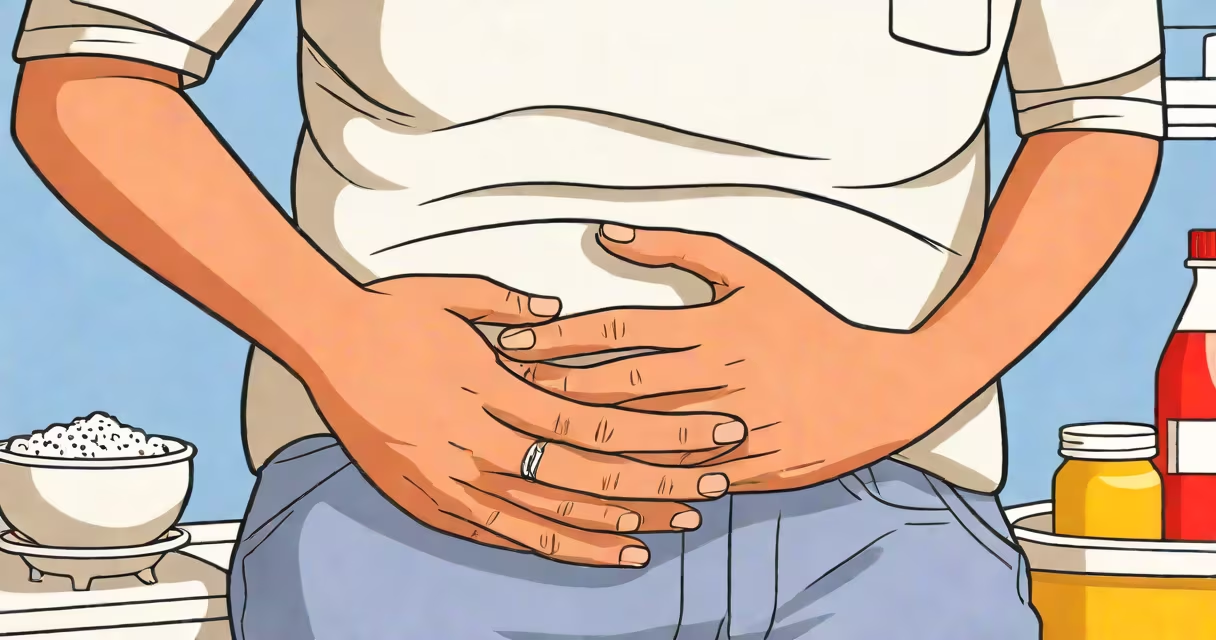
Diarrhea occurs when the intestines move contents too quickly or secrete excess fluid, resulting in loose or watery stools. It can stem from infections, dietary factors, medications, or underlying health conditions.
The small intestine normally absorbs water and nutrients from digested food. When this process fails, either due to inflammation or increased secretion, fluid accumulates in the colon. This accelerates transit time, reducing water absorption and producing loose stools.
Diarrhea can be acute-lasting less than 14 days-or chronic, persisting beyond four weeks. Acute cases often result from pathogens, while chronic forms may signal long-term conditions like inflammatory bowel disease or malabsorption syndromes.
A 2021 study published in The Lancet Infectious Diseases found that viral gastroenteritis accounts for nearly 50% of acute diarrhea cases in adults globally, with norovirus and rotavirus being primary culprits.
Diarrhea arises from several distinct mechanisms: osmotic, secretory, exudative, and motility-related. Understanding these helps identify root causes.
Osmotic diarrhea happens when undigested substances draw water into the bowel. Lactose intolerance is a prime example-lactase deficiency prevents lactose breakdown, leading to fermentation and fluid influx. A 2019 review in Nutrients reported that up to 75% of people of East Asian descent have reduced lactase activity.
Secretory diarrhea results from excessive fluid secretion into the intestinal lumen. Toxins from bacteria like Escherichia coli (specifically heat-labile enterotoxin) activate adenylate cyclase, increasing chloride and water release. This mechanism underlies many foodborne illnesses.
Motility-related diarrhea occurs when intestinal contractions speed up transit. Irritable bowel syndrome (IBS) often presents with alternating constipation and diarrhea due to abnormal gut motility patterns. The Rome IV criteria define IBS-D (diarrhea-predominant) based on symptom frequency and stool consistency.
Classifying diarrhea by appearance and onset helps narrow diagnostic possibilities.
| Type | Appearance | Common Causes | Duration |
|---|---|---|---|
| Acute infectious | Watery, sometimes bloody | Salmonella, Campylobacter, Shigella, norovirus | Less than 14 days |
| Chronic secretory | Watery, persistent | Carbohydrate malabsorption, laxatives, bile acid diarrhea | More than 4 weeks |
| Greasy (steatorrhea) | Foul-smelling, floating stool | Celiac disease, pancreatic insufficiency, cystic fibrosis | Chronic |
| Bloated, gassy | Loose, frequent, often with distension | Small intestinal bacterial overgrowth (SIBO), FODMAP sensitivity | Can be intermittent or daily |
For example, steatorrhea-fatty, floating stools-is a sign of fat malabsorption. In celiac disease, gluten triggers immune-mediated damage to the small intestine's villi, impairing fat digestion. A 2020 study in Gastroenterology showed that 60% of untreated celiac patients exhibit steatorrhea.
Antibiotics disrupt gut microbiota balance, allowing pathogenic bacteria like Clostridioides difficile to proliferate. C. diff produces toxins that inflame the colon, causing severe diarrhea. The CDC reports that C. diff infections occur in about 1 in 50 hospitalizations.
Chronic conditions such as Crohn's disease and ulcerative colitis cause inflammatory diarrhea. In Crohn's, transmural inflammation leads to ulceration and impaired absorption. Symptoms often include blood in stool, weight loss, and fatigue.
Irritable bowel syndrome (IBS) affects 10-15% of the global population, according to the World Gastroenterology Organisation. IBS-D involves abdominal pain, bloating, and urgent diarrhea, though no structural abnormalities are visible on imaging.
Many assume all diarrhea stems from food poisoning. But not all cases involve fever, vomiting, or recent travel. Chronic diarrhea without systemic symptoms may indicate a metabolic or neurological issue.
Another misconception is that diarrhea always requires treatment. Mild acute cases often resolve within 48 hours without medication. The WHO recommends oral rehydration solutions to prevent dehydration, especially in children.
Diarrhea is not a diagnosis-it's a symptom. Identifying the cause requires clinical evaluation. For instance, greasy diarrhea signals fat malabsorption, which differs from secretory diarrhea caused by toxins.
A 34-year-old woman presented with six weeks of loose, foul-smelling stools, unintentional weight loss, and fatigue. She had no fever or recent antibiotic use. Stool analysis revealed high fat content-consistent with steatorrhea. Blood tests confirmed low vitamin D and B12 levels. An endoscopy showed flattened duodenal villi. She was diagnosed with celiac disease after positive tissue transglutaminase antibodies.
After adopting a strict gluten-free diet, her symptoms resolved within eight weeks. This case illustrates how diarrhea can mask a chronic condition requiring specific testing.
Seek medical attention if diarrhea lasts longer than seven days, includes blood or pus, causes high fever (>38.5°C), or leads to signs of dehydration such as dry mouth, dizziness, or reduced urine output.
Diarrhea is not a single condition but a symptom with diverse origins. Recognizing patterns-such as timing, stool appearance, and associated symptoms-helps distinguish between infectious, functional, and malabsorptive causes. Early identification improves outcomes and reduces unnecessary interventions.