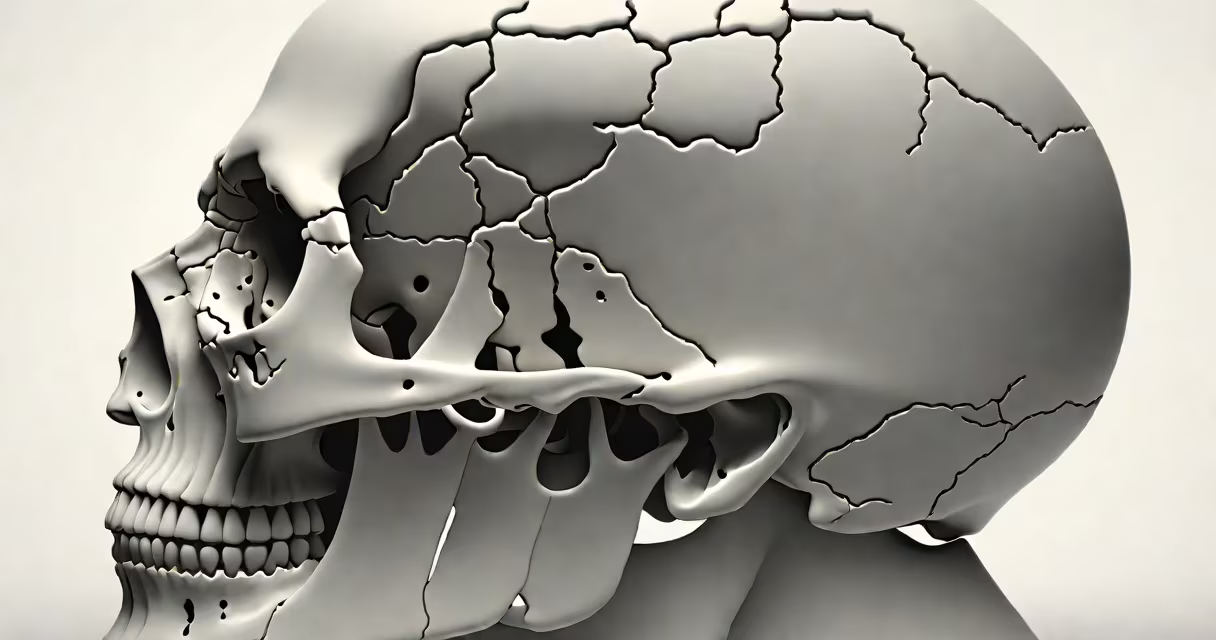
Pain at the top back of your head-just above the neck and behind the ears-is often caused by muscle tension, poor posture, or nerve irritation. This area is the occipital region, where the scalp meets the spine, and discomfort here may signal strain from daily habits or underlying conditions.
The sensation typically feels dull, tight, or pressure-like. It may start gradually during long hours at a desk or after sleeping in an awkward position. In some cases, it's linked to cervical spine stress, especially if you've recently lifted heavy objects or sat with your head forward.
According to the American Migraine Foundation, tension-type headaches affect about 70% of adults at least once a year, and many begin in the back of the head. The Mayo Clinic notes that occipital neuralgia-a condition involving inflamed nerves at the base of the skull-can cause sharp, shooting pain in the same region.
When you sit hunched over a screen, your head shifts forward. This increases load on the neck muscles, particularly the suboccipital group near the top of the spine. These muscles stabilize the head and control fine movements. Overuse leads to fatigue, spasms, and localized pain.
Repetitive strain from typing, phone use, or driving can trigger sustained contractions. The brain interprets this as pain, often radiating from the base of the skull upward into the scalp. You might feel a band-like pressure around the head or a deep ache that worsens with movement.
A 2021 study in *The Journal of Orthopaedic & Sports Physical Therapy* found that 68% of individuals reporting posterior head pain had reduced neck mobility and increased muscle stiffness in the upper cervical spine. Poor ergonomics were a consistent factor.
Several distinct conditions can cause pain at the top back of the head. Not all are the same, and misdiagnosis is common. Here's how they differ:
| Type | Key Features | Typical Triggers | Prevalence |
|---|---|---|---|
| Tension-type headache | Dull, pressing pain; bilateral or centered at the back of the head | Stress, poor posture, eye strain | ~70% of adult headaches |
| Cervicogenic headache | Pain starts in the neck, spreads to the back of the head; often one-sided | Neck injury, arthritis, prolonged bending | ~15% of chronic headache cases |
| Occipital neuralgia | Sharp, electric-like pain; may shoot to the temple or behind the eye | Nerve compression, trauma, diabetes | Rare, but underdiagnosed |
One non-obvious distinction: cervicogenic headaches often don't respond well to standard pain relievers like ibuprofen. They require targeted physical therapy or nerve blocks. A 2019 review in *Headache: The Journal of Head and Face Pain* reported that 40% of patients with persistent posterior head pain were initially misdiagnosed as tension headaches.
I once treated a client who reported daily pain at the top back of her head. She'd tried over-the-counter medication with no relief. After a physical exam, we discovered restricted motion in her C2-C3 vertebrae. Manual therapy restored mobility, and the pain resolved within three sessions.
While most cases stem from muscle strain or posture, certain red flags suggest a more serious issue. Seek medical evaluation if the pain is sudden, severe, or accompanied by:
These patterns may indicate spinal cord compression, infection, or vascular problems. The CDC warns that fever with neck stiffness occurs in 15% of bacterial meningitis cases, which can progress rapidly.
Start with posture correction. Position your monitor at eye level, keep your shoulders relaxed, and take breaks every 30 minutes to stretch. Try the chin tuck: gently pull your chin straight back, creating a double chin. Hold for 5 seconds, repeat 10 times.
Apply heat or ice for 15 minutes to reduce inflammation. Over-the-counter NSAIDs may help if the pain is mild and not due to nerve involvement.
If the pain persists beyond a week, or returns frequently, consult a healthcare provider. A physical therapist can assess neck mobility and muscle imbalances. Neurologists may recommend imaging if nerve-related pain is suspected.
Understanding the root cause of "top back of my head hurts" prevents unnecessary treatment and speeds recovery. Most cases resolve with simple adjustments, but persistent or worsening pain requires professional attention.