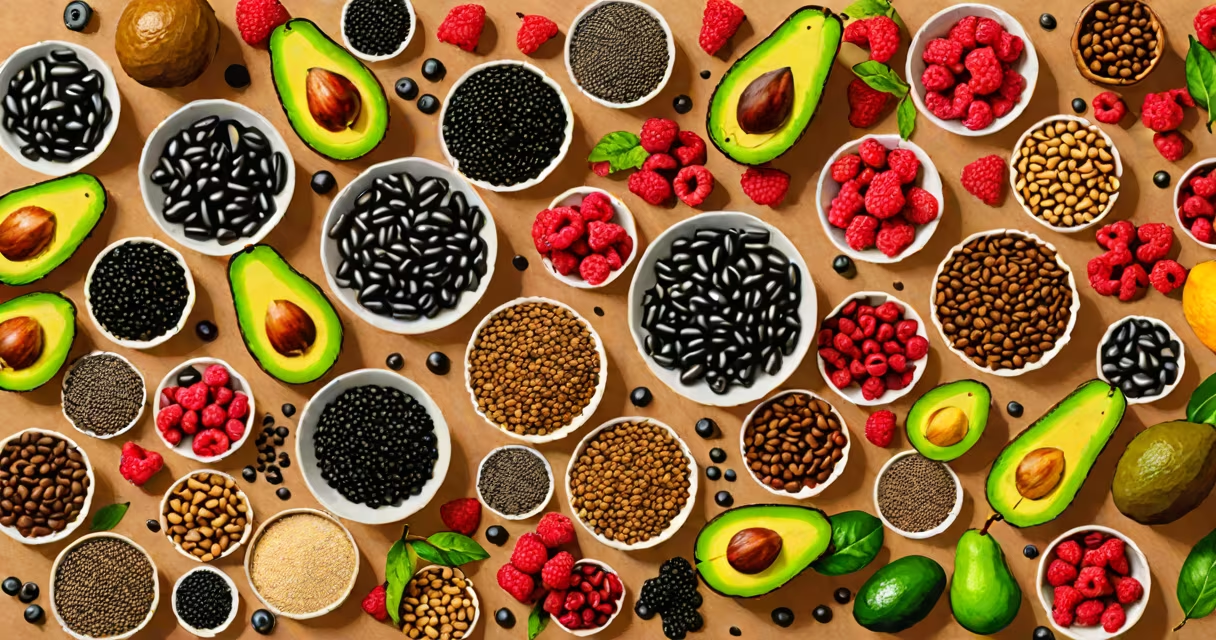
Foods high in fiber are plant-based items rich in indigestible carbohydrates that promote digestive health, stabilize blood sugar, and lower cholesterol. These include legumes, whole grains, fruits, vegetables, nuts, and seeds. A daily intake of 25-38 grams is recommended for adults, according to the Institute of Medicine.
Fiber passes through the digestive tract undigested, adding bulk to stool and slowing nutrient absorption. Soluble fiber dissolves in water to form a gel-like substance that helps regulate blood glucose and reduce LDL ("bad") cholesterol. Insoluble fiber adds texture to stool and speeds transit time through the colon. Both types are essential for long-term metabolic health.
The American Heart Association notes that diets high in fiber reduce the risk of heart disease, type 2 diabetes, and colorectal cancer. Consuming different fiber-rich foods supports a diverse gut microbiome, which influences immune function and mental well-being. A single serving of black beans contains more fiber than a typical breakfast cereal.
When consumed, fiber slows gastric emptying and moderates insulin response. This effect helps prevent spikes in blood glucose after meals. For example, eating oatmeal with berries results in a gradual rise in blood sugar compared to white toast with jam.
Insoluble fiber acts like a sponge in the large intestine, absorbing water and increasing stool volume. This reduces straining during bowel movements and lowers the risk of diverticulosis. A study published in Gastroenterology found that individuals consuming 25 grams of fiber daily had a 40% lower incidence of diverticular disease than those consuming less than 10 grams.
High-fiber diets also alter gut microbiota composition. Bacteria such as Bifidobacterium and Lactobacillus thrive on fermentable fibers like inulin and resistant starch. These microbes produce short-chain fatty acids (SCFAs), including butyrate, which nourish colon cells and may reduce inflammation linked to autoimmune conditions.
Fiber is categorized into soluble and insoluble forms based on solubility in water. Soluble fiber includes pectins, gums, and beta-glucans. Insoluble fiber consists of cellulose, hemicellulose, and lignin. Most whole plant foods contain both types, though proportions vary.
| Type | Primary Sources | Fiber Content (per 1 cup cooked) |
|---|---|---|
| Soluble | Oats, apples, barley, psyllium husk | 4-6 g |
| Insoluble | Whole wheat, brown rice, leafy greens, almonds | 3-5 g |
| Mixed (high total) | Black beans, lentils, chia seeds, raspberries | 10-15 g |
Chia seeds offer one of the highest concentrations of fiber among common foods-10 grams per ounce (about 2 tablespoons). They absorb up to 10 times their weight in water, forming a gel that supports satiety and bowel regularity. A 2019 clinical trial showed participants who consumed 25 grams of chia daily experienced improved glycemic control over 12 weeks.
One non-obvious fact: cooking methods affect fiber availability. Boiling legumes increases digestibility but slightly reduces soluble fiber content due to leaching. Steaming broccoli preserves more fiber than boiling. To maximize intake, consume most high-fiber foods raw or lightly steamed.
These 15 foods deliver at least 5 grams of fiber per standard serving. All are whole, minimally processed, and rich in micronutrients beyond fiber.
For context, a 2,000-calorie diet aiming for 25 grams of fiber requires roughly 3-4 servings of high-fiber foods per day. A meal plan including overnight oats with chia and raspberries, a salad with black beans and avocado, and steamed Brussels sprouts meets the target with minimal effort.
Many assume all "whole grain" products are high in fiber. That's false. A granola bar labeled "whole grain" may contain 2 grams of fiber per serving. Check the Nutrition Facts label: fiber should appear near the top of the list.
Another mistake is increasing fiber too quickly. Rapid intake without adequate hydration leads to bloating, gas, and cramping. The National Institutes of Health recommends increasing fiber gradually over 2-3 weeks while drinking 8 cups of water daily.
I once tried a high-fiber cleanse using only dried prunes and flaxseed. Within 48 hours, I experienced severe abdominal discomfort. After consulting a gastroenterologist, I learned that sudden fiber overload can trigger irritable bowel syndrome (IBS) flare-ups in sensitive individuals. Now I introduce new high-fiber foods slowly and monitor symptoms.
Some confuse fiber with "natural" or "healthy." A fruit-flavored yogurt with 3 grams of fiber still contains added sugars and lacks the full spectrum of nutrients found in whole fruits. Always prioritize whole foods over fortified or processed alternatives.
Start your day with a bowl of steel-cut oats topped with chia seeds and fresh berries. This single meal delivers over 12 grams of fiber and keeps you full for hours.
Swap white rice for brown rice or quinoa in lunchtime grain bowls. Add chickpeas, kale, and a vinaigrette. This combination offers 10-14 grams of fiber per serving.
Snack on raw veggies with hummus or a small handful of almonds. One ounce of almonds provides 3.5 grams of fiber and healthy fats.
When shopping, choose produce with intact skins-apples, pears, potatoes-and avoid peeling unless necessary. The skin holds much of the insoluble fiber.