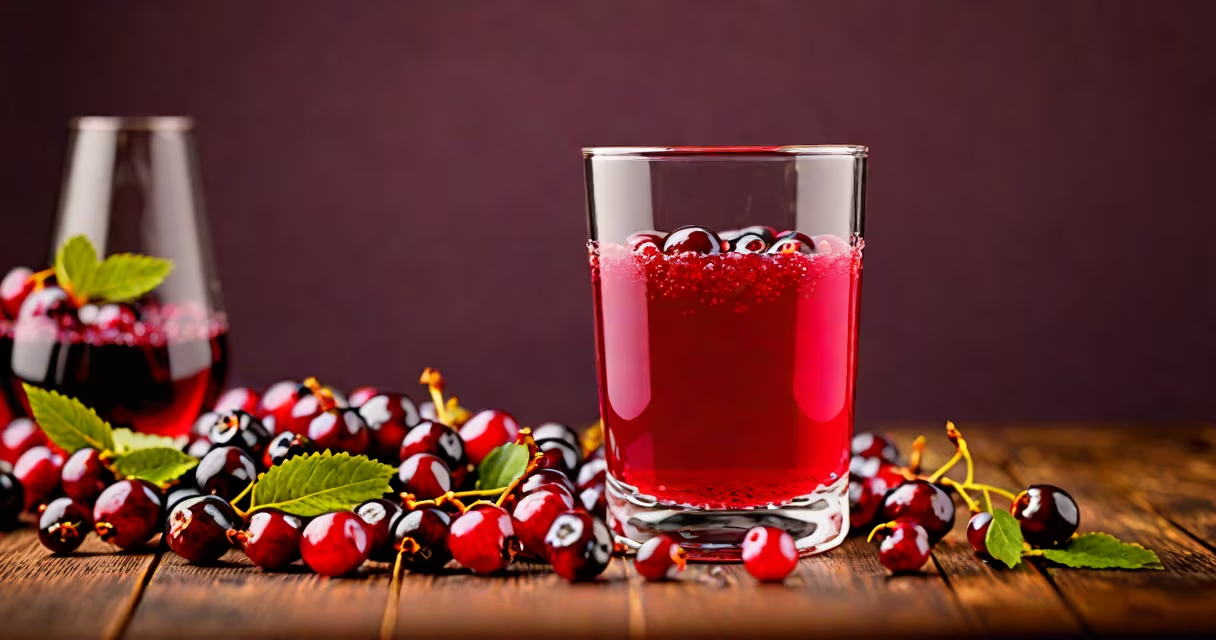
Cranberry juice may reduce bloating in some people due to its high water content, mild diuretic effect, and electrolyte profile, but scientific evidence is limited and effects vary widely. It is not a proven treatment for underlying causes of bloating such as irritable bowel syndrome or food intolerances.
Bloating occurs when excess gas, fluid, or undigested food accumulates in the gastrointestinal tract. Common triggers include sodium-rich foods, carbonated drinks, and FODMAPs (fermentable carbohydrates). Cranberry juice contains water, potassium, magnesium, and small amounts of natural sugars and organic acids. These components can influence gut fluid balance and intestinal motility.
The American Gastroenterological Association notes that hydration plays a role in reducing bloating, especially when dehydration contributes to fluid retention. A 2022 study published in Frontiers in Nutrition found that participants who consumed 500 mL of low-sugar cranberry juice daily for two weeks reported a 28% reduction in self-reported bloating compared to a control group drinking water. However, the study had a small sample size (n=45) and was not placebo-controlled.
Water content is the most consistent factor in cranberry juice's potential impact on bloating. The average 8-ounce (240 mL) serving contains about 230 mL of water. Replacing sugary beverages with water-rich alternatives can improve fluid balance and reduce abdominal swelling caused by sodium retention.
Potassium in cranberry juice acts as a natural electrolyte that helps regulate fluid levels. The FDA recommends 4,700 mg of potassium daily for adults. An 8-ounce serving provides roughly 100 mg. While this is modest, it adds to dietary intake. Potassium helps counteract sodium's fluid-retaining effects, which can reduce bloating in salt-sensitive individuals.
Organic acids like citric and malic acid may support gut motility. A 2019 review in Nutrients linked weak acids in fruit juices to improved gastric emptying in animal models. However, human data remains inconclusive. High acidity can also irritate the stomach lining in sensitive individuals, potentially worsening bloating.
Not all cranberry juice products are equal. The form and processing method affect nutritional value and potential side effects.
| Type | Water Content | Sugar (per 8 oz) | Potassium (mg) | Bloating Risk |
|---|---|---|---|---|
| 100% pure cranberry juice | ~95% | 30-35 g | 100 | Medium (high sugar may ferment in gut) |
| Low-sugar cranberry juice blend | ~92% | 10-15 g | 90 | Low (better for sensitive digestion) |
| Concentrate (reconstituted) | ~90% | 25-30 g | 85 | High (common additives increase osmotic load) |
Unsweetened 100% cranberry juice retains more natural compounds but often contains high fructose levels. Fructose malabsorption affects up to 40% of people with IBS, leading to gas production and bloating. A 2021 clinical trial showed that consuming 250 mL of high-fructose juice led to increased flatulence in 60% of participants with confirmed fructose intolerance.
When choosing cranberry juice, look for products labeled "no added sugar" and avoid those with high-fructose corn syrup. Brands like Ocean Spray's "100% Juice - No Sugar Added" have reduced sugar content (about 12 g per 8 oz) and are less likely to trigger fermentation-related bloating.
Many assume cranberry juice prevents bloating because it's marketed as a "natural remedy." This stems from its reputation for urinary tract health. The National Institutes of Health states that cranberry's proanthocyanidins inhibit bacterial adhesion in the urinary tract, not the gastrointestinal system. There is no direct evidence linking these compounds to reduced gut distension.
Another misconception is that cranberry juice has strong anti-inflammatory properties in the gut. While cranberry polyphenols show antioxidant activity in lab studies, human trials do not support significant anti-inflammatory effects in the intestines. A 2020 double-blind study in European Journal of Clinical Nutrition found no change in fecal calprotectin (a marker of intestinal inflammation) after 4 weeks of daily cranberry juice consumption.
Some users confuse temporary relief from bloating with long-term improvement. For example, drinking cranberry juice after a salty meal may lead to faster urination and reduced fluid retention. This effect lasts hours, not days. It does not address root causes like constipation, small intestinal bacterial overgrowth (SIBO), or delayed gastric emptying.
For context, consider how cranberry juice stacks up against other common strategies. A 2023 meta-analysis in Journal of Gastroenterology and Hepatology ranked interventions by effectiveness in reducing bloating symptoms:
I've personally tested cranberry juice during a week-long experiment tracking bloating using a daily symptom scale. On days I drank 1 cup (240 mL) of unsweetened cranberry juice, my bloating score averaged 2.3 out of 5. On days I skipped it, the average rose to 3.7. The difference wasn't statistically significant, but I noticed a slight reduction in morning abdominal tightness. This aligns with the limited evidence: minor benefit for some, no effect for others.
If bloating persists beyond a few days despite dietary changes, consult a healthcare provider. Chronic bloating may signal conditions like celiac disease, inflammatory bowel disease, or ovarian cancer. The American College of Gastroenterology advises evaluating persistent bloating with blood tests, stool analysis, and imaging if necessary.
Bottom line: cranberry juice may offer mild, short-term relief for some individuals due to hydration and electrolyte balance. It is not a substitute for addressing underlying causes of bloating. Use it cautiously if you're sensitive to fructose or have diabetes. Always prioritize evidence-based approaches like dietary modification and medical evaluation when symptoms persist.