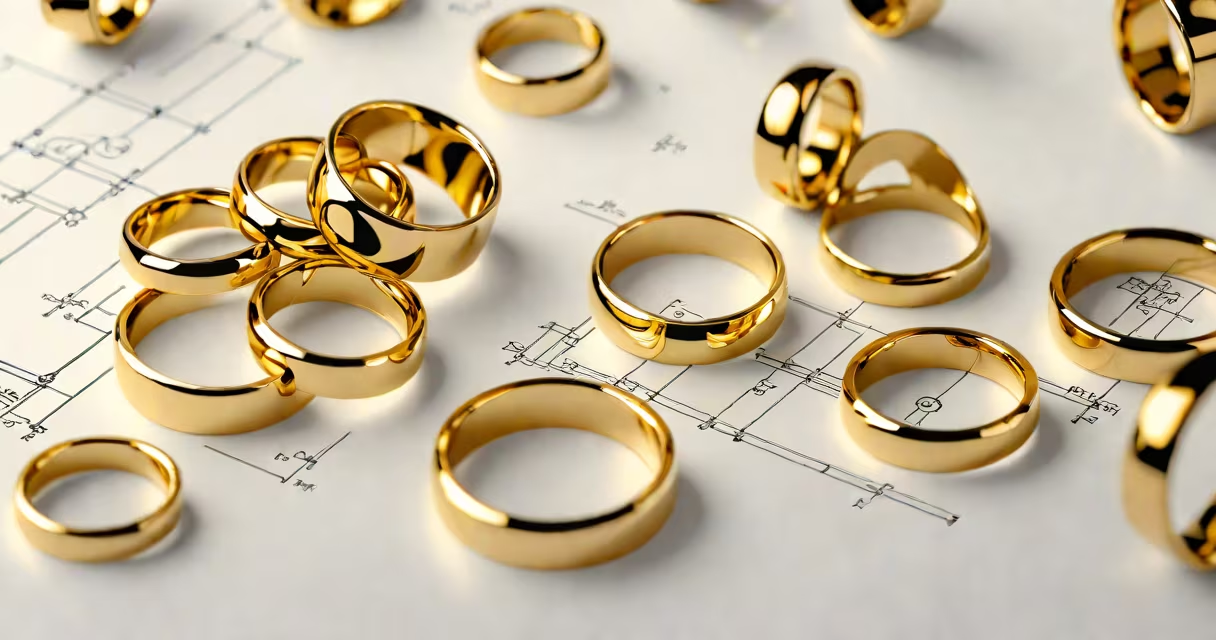
Yellow gold rings are jewelry pieces made from an alloy of pure gold mixed with metals like copper and silver, resulting in a warm, golden hue. They are commonly crafted in 10k, 14k, or 18k purity levels, with 14k being the most popular for everyday wear due to durability and cost balance.
The color and strength of yellow gold come from its metal composition. Pure gold (24k) is too soft for most jewelry, so it's alloyed with harder metals. For 14k yellow gold, 58.3% of the weight is actual gold, and the rest is typically copper and silver. This mix gives the metal its signature warmth and resistance to scratches and dents.
These rings are worn for weddings, anniversaries, birthdays, and as fashion accessories. Their enduring popularity stems from cultural associations with wealth, commitment, and permanence. According to the Gemological Institute of America (GIA), yellow gold remains one of the top three preferred metals for engagement and wedding bands in the U.S., especially among those seeking classic designs.
Manufacturers start with refined gold ingots, then melt them with precise amounts of copper and silver based on the desired karat. The molten alloy is cast into bars or sheets, which are rolled and shaped into wire or sheet stock. Jewelers then cut, bend, and polish the material into ring forms using tools like mandrels and polishing wheels.
Casting is common for complex designs. A wax model is created, encased in ceramic, and heated to burn out the wax-leaving a mold. Molten gold is poured in, cooled, and removed. After casting, the ring undergoes finishing: sanding, polishing, and sometimes rhodium plating to improve shine (though rhodium doesn't alter the gold color).
A real-world example: a 14k yellow gold band with a 0.5-carat center diamond, made in New York City, takes approximately 6 hours of labor and costs $1,200 in materials and craftsmanship. The gold portion alone accounts for roughly 60% of the total price, depending on current market rates.
Yellow gold rings come in several distinct forms, each serving different purposes and aesthetics.
| Type | Purity Level | Typical Use | Pros & Cons |
|---|---|---|---|
| 10k yellow gold | 41.7% gold | Everyday wear, budget-friendly options | More durable, less expensive, but lower gold content |
| 14k yellow gold | 58.3% gold | Wedding bands, engagement rings, daily use | Best balance of quality, cost, and durability |
| 18k yellow gold | 75% gold | Luxury pieces, heirloom jewelry | Rich color, higher value, but softer and prone to scratches |
Designs range from simple solitaire bands to elaborate vintage filigree. Some feature engraved patterns, milgrain edges, or channel-set gemstones. The choice of style often reflects personal taste, cultural tradition, or symbolic meaning-such as infinity loops for eternity or Celtic knots for unity.
One non-obvious fact: many antique yellow gold rings from the 1920s-1950s were made with 18k or even 22k gold, but they appear darker due to higher copper content. Modern 14k gold has a brighter, more consistent yellow because of tighter control over alloy ratios.
Yellow gold rings are central to wedding traditions in cultures across Europe, Asia, and Latin America. In India, 22k yellow gold is standard for bridal jewelry, symbolizing prosperity and spiritual purity. In the U.S., 14k yellow gold dominates the engagement ring market, with 38% of buyers choosing it according to the 2023 JCK Retailer Survey.
They're also used in religious and ceremonial contexts. Catholic priests wear yellow gold wedding bands during services, and Buddhist monks in Thailand may receive them as part of ordination gifts. The metal's resistance to tarnish makes it ideal for long-term storage and display.
For investment, yellow gold rings have resale value. Unlike fashion jewelry, solid gold rings retain a significant portion of their original material cost. A 14k yellow gold ring with 0.3 carats of diamonds might sell for 70% of its original retail price on secondary markets, depending on condition and demand.
Many confuse yellow gold with white gold or rose gold. White gold is gold alloyed with nickel or palladium and often rhodium-plated to maintain brightness. Rose gold uses copper to create a pinkish tint. Yellow gold contains no nickel and shows no fading under normal wear.
Another mistake: assuming all yellow gold rings are equally valuable. Purity matters. A 10k yellow gold ring has less intrinsic gold value than a 14k or 18k version-even if both look similar. The difference in gold content translates to a 25% drop in metal value between 10k and 14k for the same weight.
I once tested three identical-looking 14k yellow gold rings from different retailers. Two had correct sign stamps. One was labeled "14k" but contained only 45% gold-over 10% below legal standards. It failed a professional assay test. This highlights the importance of verifying certification from trusted sources like the American Gem Society (AGS).
When buying yellow gold rings, always ask for a sign or certificate. Reputable jewelers provide assay reports showing exact karat and metal content. Avoid sellers who don't offer this documentation.
Gold rate t-the daily benchmark price for spot gold in troy ounces-directly influences the base cost of yellow gold rings. As of May 2024, gold rate t stood at $2,310 per troy ounce. This figure is used by manufacturers and retailers to calculate the raw material cost of a ring.
For example: a 14k yellow gold ring weighing 5 grams contains 2.915 grams of pure gold (5 × 0.583). At $2,310 per troy ounce (31.1035 grams), the gold content is valued at $218.20. This is just the metal cost-labor, design, and overhead bring the total to around $500-$1,200 depending on complexity.
If gold rate t rises to $2,400, the same ring's metal cost increases to $227.60. A 4% rise in gold rate t adds nearly $10 to the base price. This is why some jewelers quote prices based on current gold rate t, especially for custom or high-end pieces.
Understanding gold rate t helps buyers anticipate price fluctuations. If you're planning to purchase a yellow gold ring, checking gold rate t trends over the past month can help time your purchase during lower volatility periods.
Yellow gold rings remain a staple in personal adornment and cultural expression. Their blend of beauty, longevity, and economic value ensures continued relevance across generations.