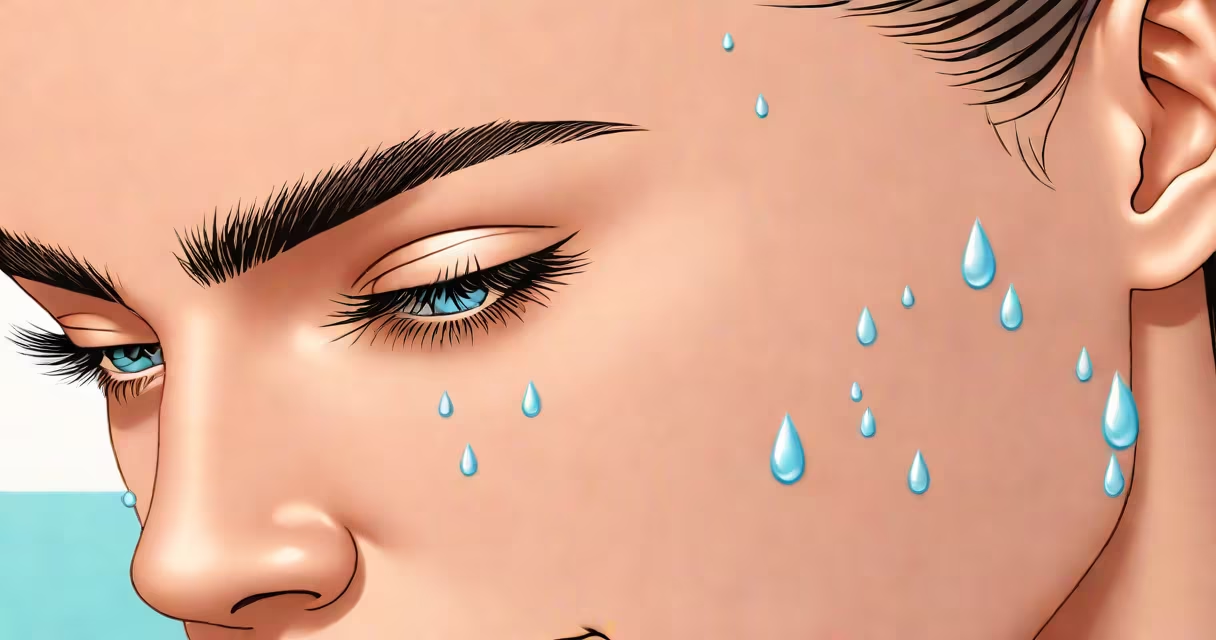
Sweating during exercise is your body's automatic response to regulate internal temperature. As muscles generate heat during movement, sweat glands activate to release fluid onto the skin's surface, which then evaporates and cools the body. This process prevents overheating and maintains core temperature within safe limits.
Exercise increases metabolic activity, raising body temperature by up to 1°C per 10 minutes of moderate to intense effort. The hypothalamus-a region in the brain responsible for temperature control-detects this rise and triggers the eccrine sweat glands, primarily located across the skin's surface. These glands secrete a clear, odorless fluid composed mostly of water, sodium, chloride, and trace minerals. Evaporation of this fluid removes heat from the skin, effectively lowering body temperature.
The American Council on Exercise notes that sweat production varies between individuals based on genetics, fitness level, and environmental conditions. A trained athlete may begin sweating earlier and produce more sweat than a sedentary person, indicating better thermoregulatory efficiency. Sweat rate can reach 1 to 2 liters per hour during prolonged exertion, depending on intensity and ambient temperature.
Sweating begins when the hypothalamus senses a core temperature increase above 37°C (98.6°F). It sends signals via sympathetic nerves to the eccrine sweat glands, which respond by releasing sweat. This is a reflexive process-not voluntary-and occurs even before visible signs of warmth appear.
Each square centimeter of human skin contains approximately 250 eccrine glands. During high-intensity exercise, such as running at 80% of maximum heart rate, sweat rates can exceed 1.5 L/hour. For example, a 70 kg person cycling uphill for 45 minutes in 30°C weather may lose 1.2 liters of fluid through sweat-equivalent to about 12% of their daily fluid intake.
Evaporative cooling is most effective when humidity is low. At 80% relative humidity, evaporation slows dramatically because the air is already saturated with moisture. In such conditions, sweat pools on the skin rather than evaporating, reducing cooling efficiency and increasing risk of heat exhaustion. This explains why people feel hotter in humid climates-even at the same temperature.
Humans have two primary types of sweat glands: eccrine and apocrine. Eccrine glands are responsible for thermoregulatory sweating during exercise. They are distributed across the entire body but are most concentrated on the palms, soles, forehead, and armpits. Apocrine glands, found mainly in hair follicle-rich areas like the armpits and groin, produce a thicker sweat that interacts with skin bacteria to create body odor. These glands are inactive during exercise unless stress or emotional arousal is involved.
| Gland Type | Location | Function | Secretion |
|---|---|---|---|
| Eccrine | Whole body, especially palms, soles, forehead | Thermoregulation during exercise | Watery, odorless fluid rich in electrolytes |
| Apocrine | Armpits, groin, around nipples | Emotional and sexual signaling (not exercise-related) | Thick, protein-rich fluid that develops odor when broken down by bacteria |
A common misconception is that sweat is waste or toxins being expelled. In reality, sweat contains minimal amounts of urea, lactic acid, and heavy metals-less than 1% of total excretion. The primary purpose remains thermal regulation, not detoxification. The kidneys and liver handle toxin removal, not sweat glands.
Sweat rate depends on multiple variables: fitness level, acclimatization, clothing, intensity, and individual biology. Trained individuals often start sweating sooner and more efficiently due to improved neural signaling to sweat glands. After 7-14 days of consistent training in hot environments, sweat onset occurs earlier and sweat volume increases-up to 30% more-without compromising performance.
Clothing choice plays a major role. Synthetic fabrics trap heat and moisture, reducing evaporation. Loose-fitting, breathable materials like cotton or moisture-wicking polyester improve cooling. A study published in the Journal of Applied Physiology found that participants wearing non-breathable athletic wear experienced a 15% higher core temperature during 30-minute treadmill sessions compared to those in breathable gear.
Age and sex also affect sweating patterns. Men generally sweat more than women during equivalent exercise intensities, though women's sweat glands may be more sensitive to hormonal fluctuations. Older adults tend to sweat less due to reduced eccrine gland responsiveness, increasing their risk of heat-related illness during outdoor activity.
Many assume that heavy sweating equates to effective fat loss. This is incorrect. Sweat is water and electrolytes-loss of weight through sweat is temporary and reflects dehydration, not fat reduction. Losing 1 liter of sweat results in a 1-kilogram drop on the scale, but that weight returns upon rehydration. Fat burning occurs through oxygen consumption during aerobic metabolism, not through fluid loss.
Another myth is that "toxic sweat" cleanses the body. Scientific evidence shows that sweat contains negligible levels of toxins. A 2019 review in the journal Toxics analyzed sweat composition and concluded that only trace amounts of lead, mercury, and arsenic were detected-far below levels associated with health risks. The body eliminates toxins primarily through the liver and kidneys.
I once observed a group of runners during a summer marathon who believed they were "detoxing" by sweating heavily. Many had consumed excessive fluids before the race, leading to hyponatremia-low blood sodium-due to dilution. One runner collapsed with confusion and seizures. Blood tests confirmed sodium levels below 120 mmol/L. His symptoms were not caused by toxins, but by improper hydration and electrolyte imbalance. This underscores that sweat is not a detox pathway-it's a cooling system.
Understanding why you sweat during exercise helps inform proper hydration and safety practices. Replacing lost fluids is critical. The American College of Sports Medicine recommends drinking 500 mL of water 2 hours before exercise and 150-300 mL every 15-20 minutes during activity lasting over 60 minutes.
If you're exercising outdoors in high heat, monitor for signs of overheating: dizziness, nausea, rapid heartbeat, or dry skin (indicating lack of sweat). These suggest dehydration or heat stress. Stop activity, move to shade, and rehydrate slowly. Avoid drinking large volumes quickly-this can cause gastrointestinal distress or worsen hyponatremia.
For optimal performance and safety, tailor your routine to your environment and physiology. If you're new to exercise, start gradually to allow your body to adapt. Over time, your sweat response becomes more efficient. You'll notice increased sweating at lower intensities, indicating improved thermoregulation.
Sweating during exercise is not a flaw-it's a sign your body is working correctly. It's a biological safeguard against overheating, evolved over millions of years to sustain physical performance in varying climates. Recognizing its function allows you to train smarter, stay hydrated, and avoid preventable health issues.