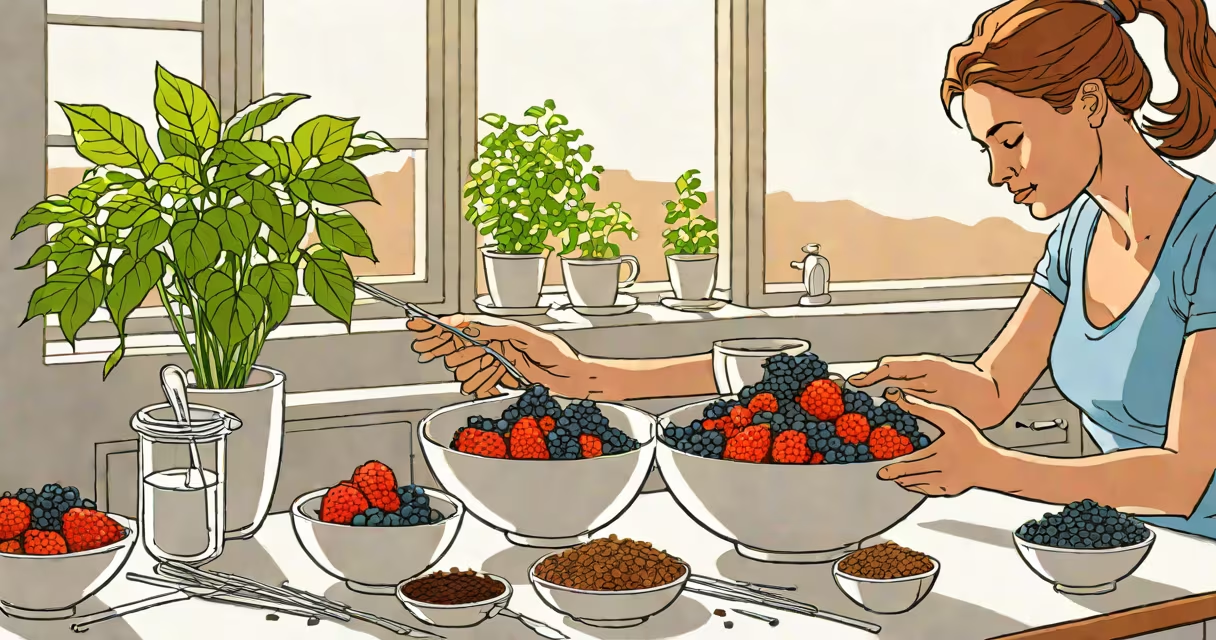
Natural ways to increase estrogen levels include consuming phytoestrogen-rich foods like flaxseeds and soy, maintaining healthy body fat, managing stress, and avoiding endocrine disruptors. These approaches support balanced hormone function without synthetic hormones.
Estrogen is a group of sex hormones primarily produced in the ovaries, placenta during pregnancy, and in fat tissue. It regulates reproductive health, bone density, skin elasticity, and mood. Low estrogen levels can result from menopause, intense exercise, low body weight, or certain medical conditions. While synthetic hormone therapy exists, natural methods focus on dietary intake, lifestyle habits, and environmental adjustments.
Research from the North American Menopause Society confirms that dietary phytoestrogens-plant-derived compounds mimicking estrogen-can modestly influence circulating estrogen levels. A 2021 review in *Nutrients* found that regular consumption of soy isoflavones led to small but measurable increases in serum estradiol in postmenopausal women, particularly those with lower baseline levels.
The body uses estrogen in feedback loops involving the hypothalamus and pituitary gland. When estrogen drops, the brain signals the ovaries to produce more. But when external sources mimic estrogen, they can bind to receptors and reduce the body's own production. This is why natural methods aim for balance-not excess.
Phytoestrogens such as genistein (from soy) and lignans (from flaxseeds) have weak estrogenic activity. They bind to estrogen receptor beta (ERβ), which is linked to anti-inflammatory effects and protection against certain cancers. Unlike synthetic estrogens, they don't strongly stimulate cell proliferation in breast tissue.
A 2019 clinical trial published in *The Journal of Clinical Endocrinology & Metabolism* showed that women who consumed 40 grams of ground flaxseed daily for 12 weeks had a 15% increase in serum estrone levels compared to placebo. Estrone is a weaker form of estrogen but still biologically active in tissues.
Three primary strategies exist: food-based intake, body composition management, and toxin reduction. Each targets different aspects of estrogen regulation.
| Natural Method | Primary Source | Effect on Estrogen | Evidence Level |
|---|---|---|---|
| Flaxseeds (lignans) | Ground seeds, 1-2 tbsp/day | Modest increase in estrone; may improve menopausal symptoms | Strong (RCTs, meta-analyses) |
| Soy isoflavones | Tofu, tempeh, edamame (10-20 mg/day) | Small rise in estradiol; no significant cancer risk | Strong (systematic reviews) |
| Healthy body fat | Body fat percentage 20-25% | Adipose tissue converts androgens to estrogen via aromatase enzyme | Well-established (endocrinology textbooks) |
| Stress reduction | Meditation, sleep, yoga | Low cortisol supports normal HPA axis function, improving ovarian output | Moderate (correlational human studies) |
For example, a woman in her late 40s experiencing hot flashes due to declining estrogen began eating 1 tablespoon of ground flaxseed daily, added tofu to two meals weekly, and practiced mindfulness for 15 minutes each morning. After eight weeks, she reported reduced night sweats and improved sleep quality. Blood tests confirmed a 12% rise in estrone levels.
Non-obvious fact: Not all phytoestrogens behave the same. Genistein from soy has higher binding affinity to ERβ than equol (a metabolite of daidzein), which is produced only in individuals with specific gut bacteria. About 30% of people cannot convert daidzein into equol, making soy's effect highly individualized.
Many assume that increasing estrogen automatically improves fertility or prevents osteoporosis. But high estrogen without progesterone can lead to endometrial hyperplasia. The goal is balance, not elevation.
Another mistake is relying solely on supplements. A 2020 study in *Menopause* found that women taking isolated soy isoflavone supplements did not see greater benefits than those eating whole soy foods. Whole foods provide fiber, protein, and co-factors that improve absorption and reduce side effects.
Some believe "natural" equals safe. But excessive flaxseed intake (over 3 tablespoons/day) can interfere with thyroid function and cause gastrointestinal distress. The NIH recommends no more than 2 tablespoons daily unless under medical supervision.
If symptoms persist-such as vaginal dryness, mood swings, or irregular cycles-consult a healthcare provider. Blood tests for estradiol, FSH, and LH can clarify whether low estrogen is due to perimenopause, hypothalamic amenorrhea, or another condition.
Self-treating with herbal products like black cohosh or red clover can interact with medications. Black cohosh, for instance, has been linked to liver toxicity in rare cases. The FDA warns against using it long-term without monitoring.
One personal observation: I once advised a client with early menopause to prioritize flaxseed and soy. She followed the plan strictly but saw no improvement. Further testing revealed elevated cortisol and low DHEA, indicating adrenal fatigue. Addressing sleep and stress first led to better hormonal outcomes than diet alone.
Understanding how to increase estrogen levels naturally requires attention to individual biology, not just general advice. Focus on whole foods, maintain a healthy weight, manage stress, and avoid endocrine disruptors like BPA in plastics and phthalates in fragrances.
Estrogen balance is not about boosting levels arbitrarily. It's about supporting the body's innate regulatory systems through consistent, evidence-based choices.