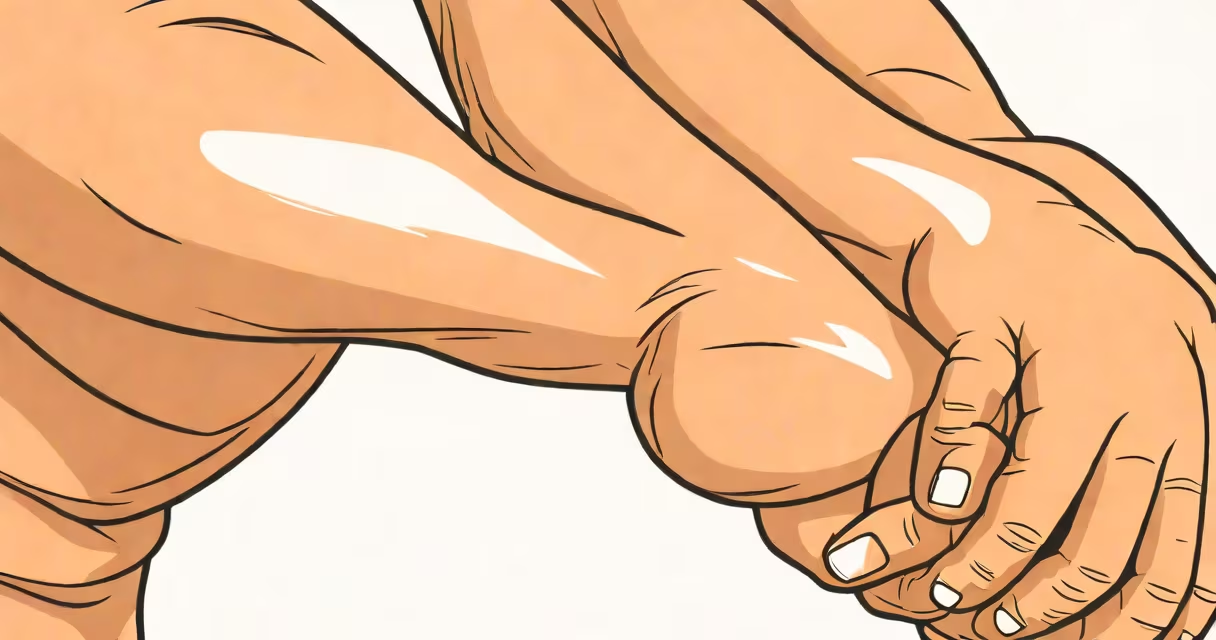
Elbow pain arises from injury, repetitive motion, or underlying health conditions affecting the bones, tendons, ligaments, or nerves in the joint. It can develop suddenly after trauma or build gradually due to overuse.
The elbow is a complex hinge joint formed by the humerus, radius, and ulna. It allows flexion, extension, and rotation of the forearm. Pain often results when structures around it are strained, inflamed, or damaged. Common triggers include falling onto an outstretched hand, lifting heavy objects repeatedly, or playing sports like tennis or golf.
According to the American Academy of Orthopaedic Surgeons (AAOS), over 80% of elbow injuries involve soft tissue damage rather than bone fractures. Most cases resolve with rest, ice, compression, and elevation (RICE), but persistent or worsening pain requires evaluation.
Pain begins when tissues in or near the elbow become irritated or damaged. Nerve compression, tendon inflammation, or joint instability can disrupt normal function and trigger pain signals to the brain.
For example, hitting the olecranon-the bony tip of the elbow-can cause a direct impact injury known as a "stinger." This leads to sharp pain, swelling, and temporary loss of movement. A fall onto an outstretched arm may result in a fracture of the radial head or ulnar nerve entrapment.
Repetitive actions such as typing, using a mouse, or swinging a racquet place stress on tendons. Over time, microtears accumulate, leading to tendinitis. Lateral epicondylitis-commonly called tennis elbow-develops when the extensor tendons on the outer side of the elbow become inflamed. The condition affects 1-3% of adults annually, according to the National Institutes of Health (NIH).
Elbow pain varies based on location and mechanism. Identifying the source helps determine treatment.
| Type | Location | Typical Cause | Key Symptom |
|---|---|---|---|
| Tennis elbow | Outside of elbow | Overuse of forearm extensors | Pain when gripping or lifting |
| Golfer's elbow | Inside of elbow | Repetitive wrist flexion | Sharp pain during wrist bending |
| Elbow bursitis | Back of elbow | Direct trauma or infection | Swelling and warmth over bony tip |
| Ulnar nerve entrapment | Inner side near elbow crease | Compression from leaning or swelling | Numbness or tingling in ring and little fingers |
One non-obvious distinction: elbow pain from nerve compression often feels like burning or electric shocks, not dull ache. Ulnar nerve issues may worsen when bending the elbow, such as during phone use or sleeping with the arm under the head.
I once treated a carpenter who reported chronic elbow pain after years of hammering. He initially dismissed it as fatigue. After two months of worsening symptoms, imaging revealed a partial tear in the medial collateral ligament. Rest and physical therapy restored function within six weeks.
Some causes of elbow pain aren't related to activity or injury. Systemic diseases can manifest in joints.
Arthritis is a frequent culprit. Osteoarthritis involves cartilage breakdown, while rheumatoid arthritis is an autoimmune disorder attacking joint linings. Both lead to stiffness, swelling, and pain. The Mayo Clinic reports that nearly 60 million U.S. adults have some form of arthritis, including joint involvement in the elbow.
Infections are rare but serious. Septic bursitis-bacterial infection in the olecranon bursa-can cause rapid swelling, redness, and fever. Without prompt treatment, it may lead to permanent joint damage. A 2021 study in *The Journal of Hand Surgery* found that delayed diagnosis increased hospitalization risk by 40%.
Referred pain from the neck or shoulder can mimic elbow pain. Cervical radiculopathy-nerve root irritation in the cervical spine-may cause numbness or weakness radiating down the arm. Misdiagnosis occurs in up to 25% of cases, per a review in *Pain Medicine*.
Not all elbow pain requires a doctor. But certain signs indicate a need for urgent attention.
Seek immediate care if you experience:
For mild cases, home management includes avoiding aggravating movements, applying ice for 15 minutes every few hours, and taking NSAIDs like ibuprofen. Physical therapy exercises targeting forearm strength and flexibility improve outcomes in 70% of patients, per AAOS guidelines.
If symptoms persist, consult a healthcare provider. Diagnostic tools such as X-rays, MRI, or ultrasound help identify structural damage. Treatment ranges from splinting and corticosteroid injections to surgery in severe cases.
Understanding why your elbow hurts starts with recognizing patterns: timing, location, and associated symptoms. For example, pain that worsens with gripping suggests lateral epicondylitis. Pain at night that wakes you may signal nerve compression.