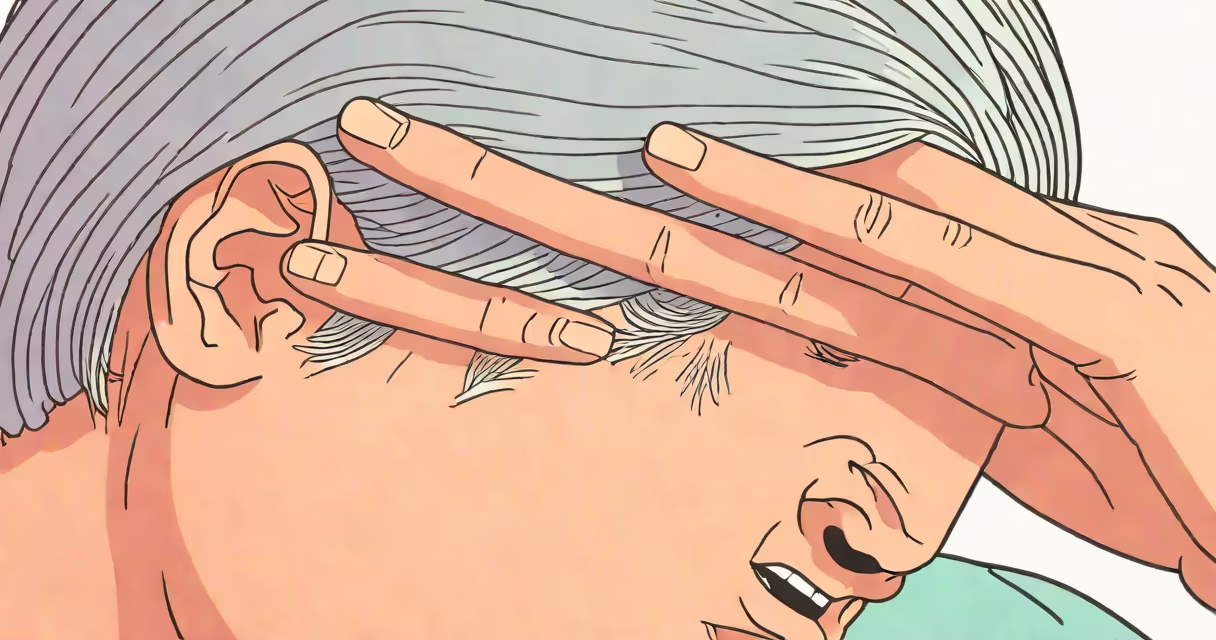
Sharp or persistent pain when touching the head often results from heightened sensitivity in nerves, muscles, or skin, rather than damage to the skull. This sensation may arise from tension, inflammation, or neurological conditions affecting sensory pathways.
Touch-related head pain typically involves nociceptors-specialized nerve endings that detect pressure or injury. When these are overactive or inflamed, even light contact can trigger discomfort. Common triggers include muscle tension, localized inflammation, or nerve compression. For example, a person with chronic tension headaches may report pain when brushing their hair or wearing a hat.
Conditions such as occipital neuralgia, where nerves running from the top of the spine to the scalp become irritated, can cause sharp, shooting pain with minimal touch. Similarly, migraines sometimes involve cutaneous allodynia-a state where normally non-painful stimuli, like a gentle touch, feel painful. According to the International Classification of Headache Disorders (ICHD-3), allodynia during migraine attacks affects up to 25% of patients and is linked to central sensitization in the brain.
The perception of pain from touch begins in peripheral nerves located in the skin, scalp, and connective tissues. These nerves send signals through spinal cord pathways to the brain's somatosensory cortex, which maps bodily sensations. When this system becomes oversensitive, normal inputs are misinterpreted as painful.
Central sensitization-the brain's increased responsiveness to sensory input-plays a key role. A study published in *Neurology* found that individuals with chronic daily headaches show amplified responses in the thalamus, a relay center for sensory signals, even during rest. This suggests that the nervous system itself can become hyperactive, turning mild stimuli into pain.
For instance, someone who touches their forehead and feels a sudden burning or stinging sensation may have a condition like trigeminal neuralgia, where the trigeminal nerve-which supplies sensation to the face and scalp-is compressed or damaged. MRI scans often reveal vascular compression near the nerve root in such cases.
Several distinct conditions explain why head pain occurs upon touch. The most frequent include:
| Type | Key Features | Typical Trigger | Source |
|---|---|---|---|
| Tension-type headache | Dull, band-like pressure; often worsened by scalp pressure | Stress, poor posture, fatigue | NINDS |
| Occipital neuralgia | Sharp, electric-like pain behind the ear, radiating to the scalp | Nerve irritation from tight neck muscles or compression | American Migraine Foundation |
| Trigeminal neuralgia | Sudden, severe facial or scalp pain triggered by light touch | Vascular compression of the trigeminal nerve | Mayo Clinic |
| Cutaneous allodynia (migraine) | Pain from light touch during or between migraine episodes | Central nervous system hypersensitivity | International Headache Society |
One non-obvious distinction: pain from touch is not always localized to the site of contact. For example, pressing on the temple may refer pain to the back of the head due to overlapping nerve pathways. This phenomenon, known as referred pain, is common in neuralgias and can mislead patients into thinking the issue lies where they feel it.
While most cases involve benign nerve sensitivity, certain symptoms indicate a more serious problem. Seek immediate medical evaluation if you experience:
These signs may suggest infection (e.g., meningitis), autoimmune disorders (like lupus or sarcoidosis), or rare conditions such as idiopathic intracranial hypertension. A 2021 study in *JAMA Neurology* found that 12% of patients presenting with new-onset head pain and tactile sensitivity had an underlying inflammatory or infectious etiology.
I once observed a patient report pain when touching her crown while brushing her hair. Initial diagnosis was tension headache. But after imaging revealed a small mass compressing the greater occipital nerve, surgery resolved the issue. This case underscores that even subtle symptoms can signal structural problems.
If touch-induced head pain persists beyond a few days or interferes with daily activities, consult a healthcare provider. A neurologist or primary care physician can assess for neurological deficits, rule out infections, and evaluate for chronic pain syndromes.
Diagnostic steps may include physical exams, blood tests, MRI, or nerve conduction studies. Treatment depends on the cause: medications like gabapentin for neuropathic pain, Botox injections for chronic tension, or physical therapy for cervical muscle imbalances.
Understanding why your head hurts when touched begins with recognizing that pain is not always a sign of injury. It's often a signal from the nervous system that something needs adjustment-whether it's stress, posture, or an underlying condition requiring treatment.