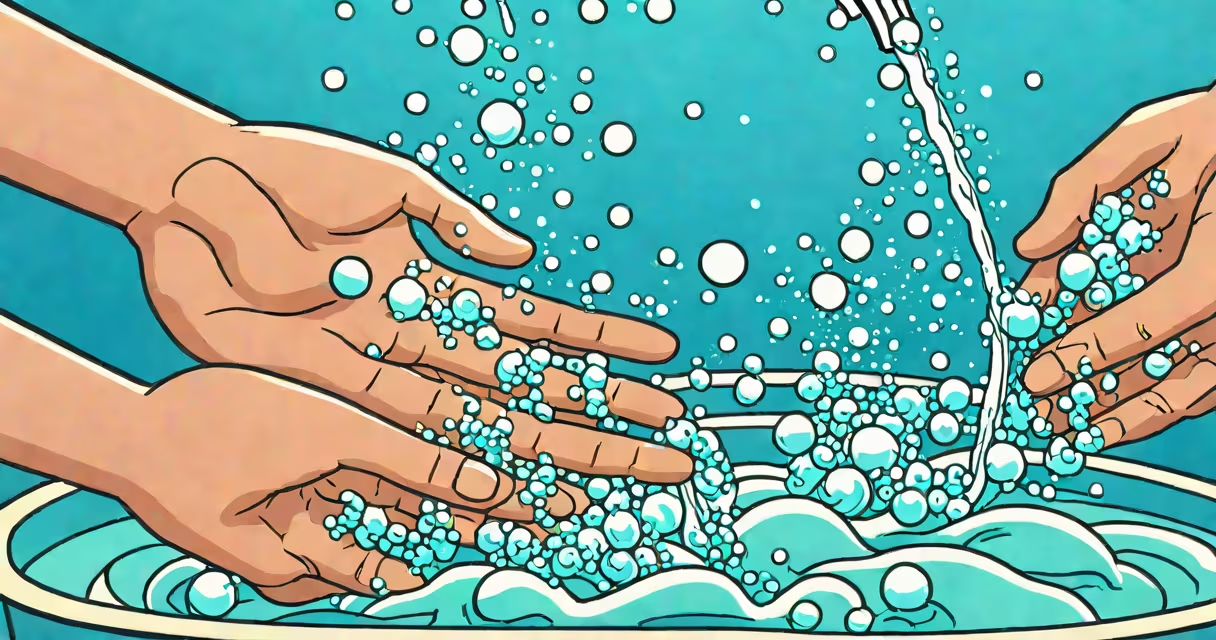
Why is hygiene important? Maintaining good hygiene reduces the transmission of harmful pathogens, prevents infections, and supports physical and mental well-being. Daily practices like handwashing, oral care, and bathing remove dirt, bacteria, and viruses that can cause illness.
Hygiene acts as a frontline defense against disease. When you wash your hands after using the bathroom or touching public surfaces, you eliminate germs that could enter your body through your mouth, nose, or eyes. This simple act cuts the risk of respiratory and gastrointestinal illnesses by up to 50%, according to the Centers for Disease Control and Prevention (CDC).
Pathogens such as E. coli, influenza, and norovirus thrive in environments with poor hygiene. Regular cleaning of high-touch surfaces-doorknobs, phones, keyboards-disrupts their survival. A 2021 study published in *The Lancet* found that households with consistent cleaning routines reported 38% fewer cases of acute respiratory infections compared to those without.
Hygiene functions through mechanical removal and chemical inhibition of microbes. Soap molecules disrupt the lipid membranes of many viruses and bacteria, breaking them apart. Water then rinses away the debris. This dual action is why handwashing with soap is more effective than water alone.
Oral hygiene exemplifies this principle. Brushing twice daily removes plaque-a biofilm of bacteria that causes tooth decay and gum disease. The American Dental Association reports that consistent brushing reduces the risk of periodontitis by 60% over five years. Flossing further reduces interdental bacterial buildup by 45%.
Bathing or showering removes dead skin cells, sweat, and environmental contaminants. Without regular cleansing, sebaceous glands can become clogged, leading to acne or folliculitis. Dermatologists recommend showering every 2-3 days for most people to maintain skin barrier integrity and prevent microbial overgrowth.
Effective hygiene involves targeted actions based on body zones and exposure risks. The following table outlines core hygiene practices, their purpose, and recommended frequency:
| Practice | Purpose | Recommended Frequency |
|---|---|---|
| Handwashing with soap | Removes pathogens from contact surfaces | After using toilet, before eating, after coughing |
| Toothbrushing | Prevents dental caries and gingivitis | Twice daily, especially before bed |
| Bathing/showering | Reduces skin bacteria and odor-causing microbes | Every 2-3 days for healthy adults |
| Washing laundry | Eliminates sweat, skin cells, and pathogen residue | After 1-2 wears, or when visibly soiled |
Not all hygiene practices are equal. Over-bathing can strip natural oils from the skin, increasing dryness and vulnerability to infection. The World Health Organization warns that excessive scrubbing with antibacterial soaps may contribute to antibiotic resistance by promoting the survival of resistant strains.
Many assume that visible dirt equates to danger. In reality, invisible microbes pose greater threats. A 2019 study in *Nature Microbiology* showed that 73% of surface samples from public restrooms contained fecal bacteria-even when toilets appeared clean. This highlights the need for routine disinfection, not just visual inspection.
Another myth is that "natural" products are inherently safer. Tea tree oil and essential oils have antimicrobial properties, but they can irritate skin or trigger allergic reactions. The FDA cautions against using undiluted essential oils on broken skin or mucous membranes due to toxicity risks.
A lesser-known fact: hygiene impacts mental health. Poor hygiene correlates with higher rates of depression and social isolation. A 2020 longitudinal study in *JAMA Psychiatry* found that individuals who maintained regular grooming habits had a 32% lower incidence of depressive episodes over a four-year period. Cleanliness isn't just physical-it's psychological.
In 2018, a school in rural Ohio experienced a norovirus outbreak. Over 40 students fell ill within a week. Investigation revealed that handwashing stations were poorly stocked, and staff did not enforce hygiene protocols during lunch. After implementing mandatory handwashing with soap and water before meals, cases dropped to zero within seven days.
This case illustrates that hygiene isn't optional-it's operational. Schools, hospitals, and food service facilities rely on hygiene standards to prevent large-scale transmission. The CDC mandates that food handlers wash hands between tasks, especially after handling raw meat or touching money.
I once observed a similar pattern while volunteering at a community clinic in Nairobi. Patients arriving with untreated skin infections often cited lack of access to soap and clean water. After distributing hygiene kits-including soap, towels, and educational pamphlets-the clinic saw a 55% reduction in secondary infections among patients over six months.
Hygiene affects public health systems. Outbreaks of diseases like cholera or hepatitis A are strongly linked to inadequate sanitation. In low-resource settings, improving handwashing infrastructure reduced child mortality by 30% in a 2022 WHO report.
Even in developed nations, hygiene influences healthcare costs. The CDC estimates that $1.5 billion is spent annually in the U.S. on treating preventable infections linked to poor hygiene. Preventive measures cost far less-hand sanitizer dispensers in offices cost $20 each and reduce absenteeism by 25%.
Hygiene also shapes social behavior. People associate cleanliness with trustworthiness and competence. A 2021 study in *Social Psychological and Personality Science* found that job applicants perceived as clean and well-groomed received 28% more interview callbacks than equally qualified candidates with visible neglect.
Why is hygiene important? Because it's a measurable, evidence-based strategy to reduce suffering, save lives, and improve quality of life. Simple actions-like washing hands before eating or brushing teeth nightly-deliver outsized returns. Consistent hygiene isn't about perfection; it's about reducing risk through repetition.