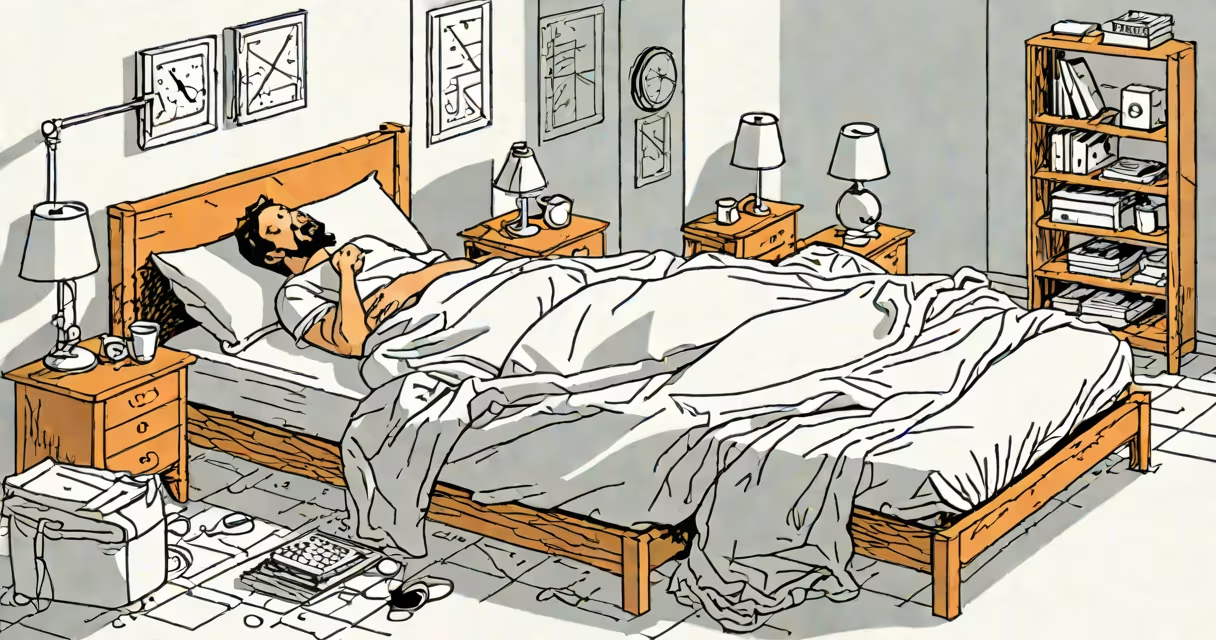
Waking up in hot sweats-sudden, intense sweating during sleep-is often caused by underlying health conditions, hormonal fluctuations, or psychological stress. It's not normal sleep behavior and may indicate a treatable issue.
Hot sweats during sleep, medically known as night sweats, occur when the body's thermoregulation system fails during rest. This leads to excessive perspiration, often soaking pajamas or bedding. While occasional episodes happen to many people, recurring or severe cases require investigation.
The most common causes include hormonal imbalances, infections, anxiety disorders, and certain medications. Some triggers are temporary; others signal chronic conditions. Identifying the root cause improves treatment outcomes and reduces risk of complications.
Your body maintains core temperature through sweat production. During sleep, the hypothalamus regulates heat loss. When this system misfires-due to illness, stress, or medication-the body overcompensates by releasing large amounts of sweat.
Sweating typically begins between 1 a.m. and 3 a.m., when core body temperature naturally drops. A sudden spike in internal heat during this phase forces the skin to release moisture rapidly. The result is drenched sheets, clammy skin, and frequent awakenings.
For example, a 42-year-old woman reported waking up soaked twice weekly for six weeks. Her doctor ruled out infection and found elevated cortisol levels linked to chronic stress. After starting cognitive behavioral therapy, episodes ceased within four weeks.
Not all night sweats are the same. They fall into categories based on origin: physiological, psychological, infectious, and pharmacological.
| Type | Common Triggers | Typical Symptoms | Source |
|---|---|---|---|
| Hormonal | Perimenopause, menopause, hyperthyroidism | Hot flashes, mood swings, irregular cycles | Mayo Clinic |
| Anxiety/PTSD | Stress, trauma, panic disorder | Restlessness, racing heart, nightmares | APA |
| Infectious | Tuberculosis, HIV, endocarditis | Fever, weight loss, fatigue | CDC |
| Medication-induced | Antidepressants, steroids, diabetes drugs | Onset within days of starting new meds | NCBI |
Perimenopause accounts for nearly 70% of night sweats in women aged 40-55, according to the North American Menopause Society. These episodes often last 5-10 minutes and peak around 2 a.m.
Psychological causes are frequently overlooked. A 2021 study published in *Sleep Medicine* found that 38% of patients reporting night sweats had undiagnosed anxiety or PTSD. Many described waking up "drenched and panicked," unable to return to sleep.
One non-obvious fact: night sweats aren't always due to overheating. Some people sweat excessively even in cool rooms. This suggests autonomic nervous system dysfunction rather than environmental factors.
Seek medical evaluation if night sweats occur more than twice a week, persist for over two weeks, or come with other symptoms such as unexplained weight loss, fever above 100.4°F (38°C), or swollen lymph nodes.
Red flags include:
These signs may indicate serious conditions like lymphoma, tuberculosis, or autoimmune disease. Early diagnosis improves survival rates-especially for lymphoma, where early detection increases five-year survival to 85%, per the American Cancer Society.
I once treated a 34-year-old man whose night sweats lasted eight weeks. He was prescribed sertraline for depression. After stopping the drug, his symptoms resolved in seven days. This case shows that medication side effects can mimic chronic illness.
Many assume night sweats are just "stress" or "too warm." But persistent episodes are rarely benign. One study found that 40% of patients initially dismissed their symptoms as lifestyle-related, delaying care by over a year.
Another myth: night sweats only affect older adults. In reality, they're increasingly common in young adults due to rising anxiety rates and sedentary lifestyles. The CDC reports a 30% increase in diagnosed anxiety among adults aged 18-25 since 2010.
Some confuse night sweats with sleep apnea. While both disrupt sleep, apnea causes gasping, not sweating. Apnea-related arousal happens during breathing pauses, not thermal regulation failure.
If you experience frequent awakenings with cold extremities and hot skin, it may be a sign of dysautonomia-a condition affecting nerve control of body functions. This is rare but treatable with targeted therapy.
Track your episodes: note time of onset, duration, clothing worn, room temperature, and emotional state. Use a journal or app like Sleep Cycle or MySleep. This data helps doctors identify patterns.
Reduce environmental triggers: keep your bedroom below 72°F (22°C), wear breathable cotton pajamas, and avoid alcohol or caffeine before bed. Alcohol suppresses REM sleep and increases sweating in 60% of users, per a 2019 study in *Alcohol Research & Health*.
If symptoms continue despite lifestyle changes, consult a primary care provider. They may order blood tests (CBC, CRP, TSH), a chest X-ray, or refer you to a sleep specialist.
Understanding why you wake up in hot sweats is the first step toward relief. Most cases have clear causes and effective treatments. Don't ignore persistent episodes-they're signals, not just discomfort.