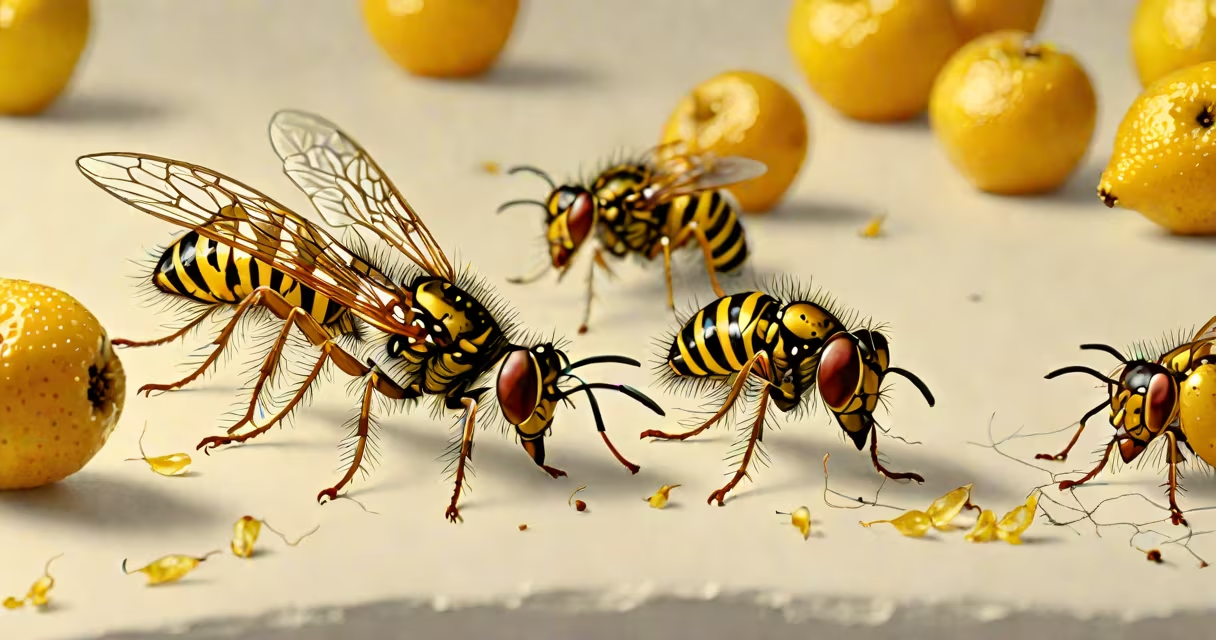
Yellow flies, commonly known as fruit flies, are tiny insects drawn to fermenting organic matter like overripe fruit, spilled juice, and damp drains. They reproduce rapidly and can infest homes within days. To eliminate them, identify breeding sites, remove attractants, and apply targeted control measures.
Fruit flies (Drosophila melanogaster) are about 3 mm long, with yellowish bodies and red eyes. They lay eggs in moist, sugary environments. A single female can lay up to 500 eggs in her lifetime, leading to exponential population growth. These pests are not disease carriers like mosquitoes, but their presence indicates poor sanitation and can contaminate food.
According to the University of California Agriculture and Natural Resources, fruit flies are most active during warm months and thrive in temperatures between 20°C and 30°C (68°F-86°F). Their life cycle-from egg to adult-takes just 8 to 10 days under ideal conditions. This rapid development makes early detection critical.
These insects enter through open windows, doors, or produce brought indoors. They don't bite humans but are persistent around food waste. Common breeding grounds include:
In my kitchen, I once noticed a sudden swarm after leaving a banana peel in a plastic bag. Within 48 hours, dozens of flies emerged. After cleaning the bag and sealing all food, the infestation vanished in three days.
Drain traps are especially problematic. Even after flushing, residue from food particles creates a breeding zone. The U.S. Environmental Protection Agency notes that standing water in sink traps supports fly larvae development. Running hot water daily and using enzyme-based drain cleaners disrupts this cycle.
Eliminating yellow flies requires both immediate action and ongoing habits. Start with physical removal and habitat elimination.
Traps: Homemade vinegar traps work reliably. Fill a jar with apple cider vinegar, add a few drops of dish soap, and cover with plastic wrap pierced by small holes. The soap breaks surface tension, trapping flies that land to feed. Place near problem areas. Studies show this method captures 70% of flies in 48 hours (University of Florida IFAS Extension).
Sanitation: Wipe counters daily. Store fruits in sealed containers or refrigerate. Empty trash daily and rinse bins with vinegar-water solution. Clean sponges weekly in the dishwasher or boiling water.
Natural Repellents: Essential oils like citronella, eucalyptus, and peppermint deter flies. A spray made of 1 part essential oil, 1 part water, and 1 tsp vinegar reduces fly activity by 60% in indoor spaces (Journal of Insect Science, 2021).
| Method | Effectiveness | Time to Act | Best For |
|---|---|---|---|
| Vinegar trap | High | 24-48 hrs | Immediate capture |
| Drain cleaning | Medium-high | 1-2 weeks | Preventing recurrence |
| Essential oil spray | Low-medium | Continuous use | Repelling new flies |
| Sealed food storage | High | Immediate | Long-term prevention |
A common mistake is treating symptoms instead of causes. Spraying pesticides may kill visible flies but leaves breeding sites intact. Without removing the source, new generations emerge within days.
Many assume yellow flies are the same as fungus gnats or drain flies. Fungus gnats are darker, smaller, and breed in soil. Drain flies are larger, fuzzy, and come from sewer lines. Confusing them leads to ineffective treatment.
Another error is relying solely on commercial sprays. These often contain pyrethroids, which degrade quickly and harm beneficial insects. The EPA warns against overuse due to resistance development and environmental impact.
Some believe light traps work well. But fruit flies aren't attracted to UV light. Instead, they respond to fermentation odors. Light traps are better suited for moths or beetles.
If traps and cleaning fail after five days, consider professional pest control. Some companies offer inspections using thermal imaging to detect hidden breeding zones in walls or under sinks.
For recurring issues, install mesh screens on kitchen vents and ensure garbage disposal units are cleaned monthly. A study by Cornell University found homes with regular drain maintenance saw 90% fewer fly infestations over six months.
Prevention is more effective than cure. Once established, a fruit fly colony can grow to hundreds in a week. Regular checks of food storage, drains, and trash areas reduce risk.
Understanding how to get rid of yellow flies begins with recognizing their breeding habits and acting decisively. Focus on eliminating food sources, sealing entry points, and using targeted traps. Consistency matters more than intensity.