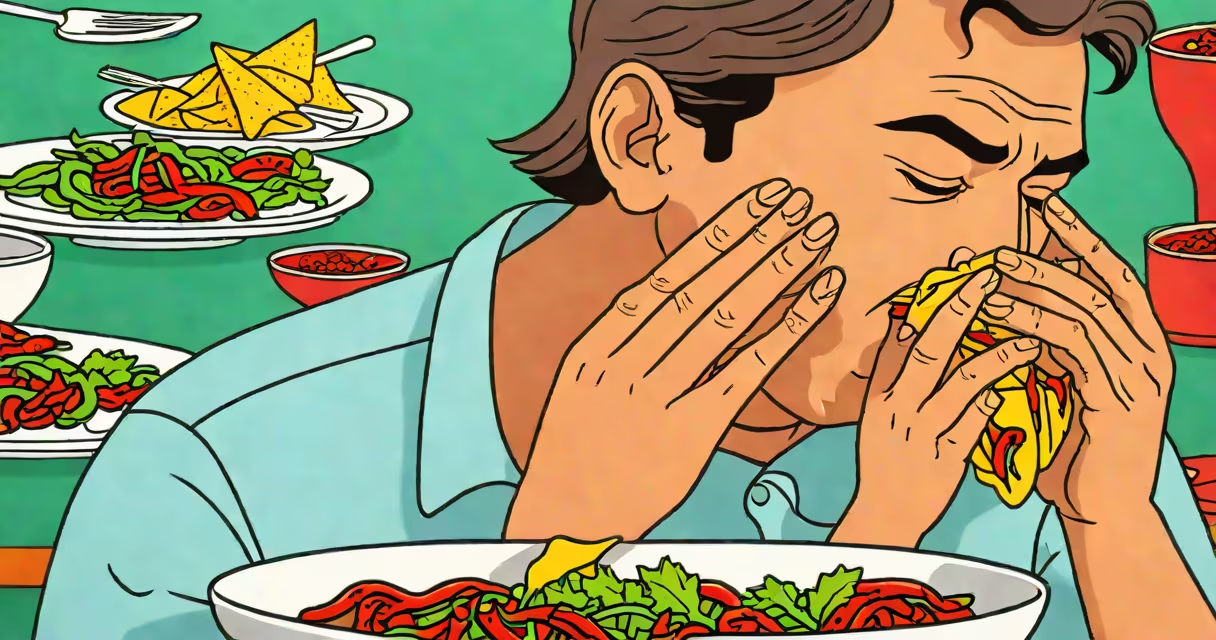
Why do I start sneezing after I eat? This phenomenon, medically termed gustatory rhinitis, occurs when eating triggers nasal irritation and reflexive sneezing due to nerve stimulation or inflammation. It's not a sign of infection but often linked to temperature changes, spicy ingredients, or underlying allergies.
Gustatory rhinitis involves the trigeminal nerve, which responds to heat, capsaicin (from chili peppers), or rapid shifts in oral temperature. When these stimuli reach the mouth and throat, they activate neural pathways that send signals to the nasal passages, causing mucus production and sneezing. This reflex is involuntary and unrelated to actual pathogens.
A 2019 study published in *The Journal of Allergy and Clinical Immunology* found that 14% of participants reported post-meal sneezing, especially after consuming spicy or hot foods. The condition is more common in individuals with seasonal allergies or chronic rhinosinusitis, suggesting a heightened sensitivity in the nasal mucosa.
Sneezing after eating results from a neurological reflex, not immune response. The trigeminal nerve, responsible for facial sensation, detects thermal and chemical stimuli in the mouth. Spicy foods contain capsaicin, which binds to TRPV1 receptors-proteins that detect heat and pain. Activation sends signals through the brainstem to the respiratory center, triggering a sneeze.
Hot foods also contribute. A 2021 study in *Frontiers in Neurology* showed that temperatures above 45°C (113°F) in food increased sneeze frequency during ingestion. The sudden heat stimulates thermoreceptors in the oral cavity, leading to cross-talk between taste and nasal sensory pathways.
Some people experience this reflex even with mild stimuli. For example, someone who eats a warm apple pie may sneeze due to the combination of heat and sweetness, even without spice. This suggests individual variation in neural sensitivity, possibly influenced by genetics or prior exposure.
Spicy and hot foods are the most frequent culprits. Capsaicin-rich dishes like curry, salsa, or chili peppers consistently trigger sneezing in susceptible individuals. A 2020 review in *Clinical and Experimental Allergy* noted that capsaicin activates both nociceptive and non-nociceptive pathways in the upper airway, increasing nasal secretion and sneeze reflexes.
Other triggers include:
Not all cases involve nerves. Some people report sneezing after eating due to airborne allergens released during cooking-like flour dust from baking or fish oil fumes. These are true allergic responses, not reflexive sneezing. Distinguishing between the two is critical for treatment.
| Type | Trigger | Onset Time | Duration |
|---|---|---|---|
| Gustatory rhinitis | Spicy, hot, or sweet foods | Within 1-2 minutes | 5-15 minutes |
| Allergic reaction | Food allergens (e.g., shellfish, peanuts) | 10-30 minutes | 30 minutes to several hours |
| Reflux-related | Acidic or fatty meals | 15-60 minutes | Variable, often prolonged |
Many assume post-meal sneezing is harmless. But persistent episodes may indicate underlying conditions. Chronic sneezing after eating can signal non-allergic rhinitis, eosinophilic esophagitis, or even early-stage autoimmune disorders like Sjögren's syndrome, which affects moisture-producing glands.
A key distinction: allergic reactions involve IgE antibodies and systemic symptoms like hives, swelling, or difficulty breathing. Gustatory rhinitis lacks these signs. If sneezing is accompanied by itching, rash, or throat tightness, seek immediate medical evaluation. The American Academy of Allergy, Asthma & Immunology (AAAAI) warns that misattributing anaphylaxis to postprandial sneezing can delay life-saving treatment.
One patient reported daily sneezing after lunch, initially dismissed as "spicy food intolerance." After testing, he was diagnosed with eosinophilic esophagitis-a condition where immune cells infiltrate the esophagus. Removing dairy and wheat from his diet reduced symptoms. This case highlights that sneezing after eating isn't always benign.
In 2022, a 34-year-old woman reported sneezing within 90 seconds of eating a bowl of Thai green curry. She experienced clear nasal discharge, tearing, and 3-5 sneezes per episode. No fever, cough, or skin reaction occurred. She had no history of seasonal allergies.
She kept a food diary for two weeks. Episodes correlated exclusively with curries containing red chili paste and fresh lime. During a clinic visit, her doctor performed a nasal provocation test using capsaicin spray. Within 20 seconds, she sneezed four times. The test confirmed gustatory rhinitis.
She avoided chili-based dishes and used intranasal oxymetazoline (a decongestant) before meals. Symptoms decreased by 80% in six weeks. No medication was needed long-term.
If sneezing occurs only after eating specific foods-especially spicy, hot, or acidic ones-it's likely gustatory rhinitis. Avoiding triggers reduces episodes. Over-the-counter antihistamines like loratadine may help if there's mild inflammation, though they're less effective than decongestants.
For persistent cases, see an ENT specialist or allergist. They may recommend nasal corticosteroid sprays (e.g., fluticasone) or anticholinergics to reduce mucus production. In rare cases, surgical options exist for structural issues like deviated septum contributing to chronic irritation.
Understanding why you start sneezing after eating helps avoid unnecessary anxiety. Most cases are temporary and manageable. But when sneezing interferes with daily life or appears alongside other symptoms, medical evaluation ensures accurate diagnosis and safe treatment.